Industry Applications
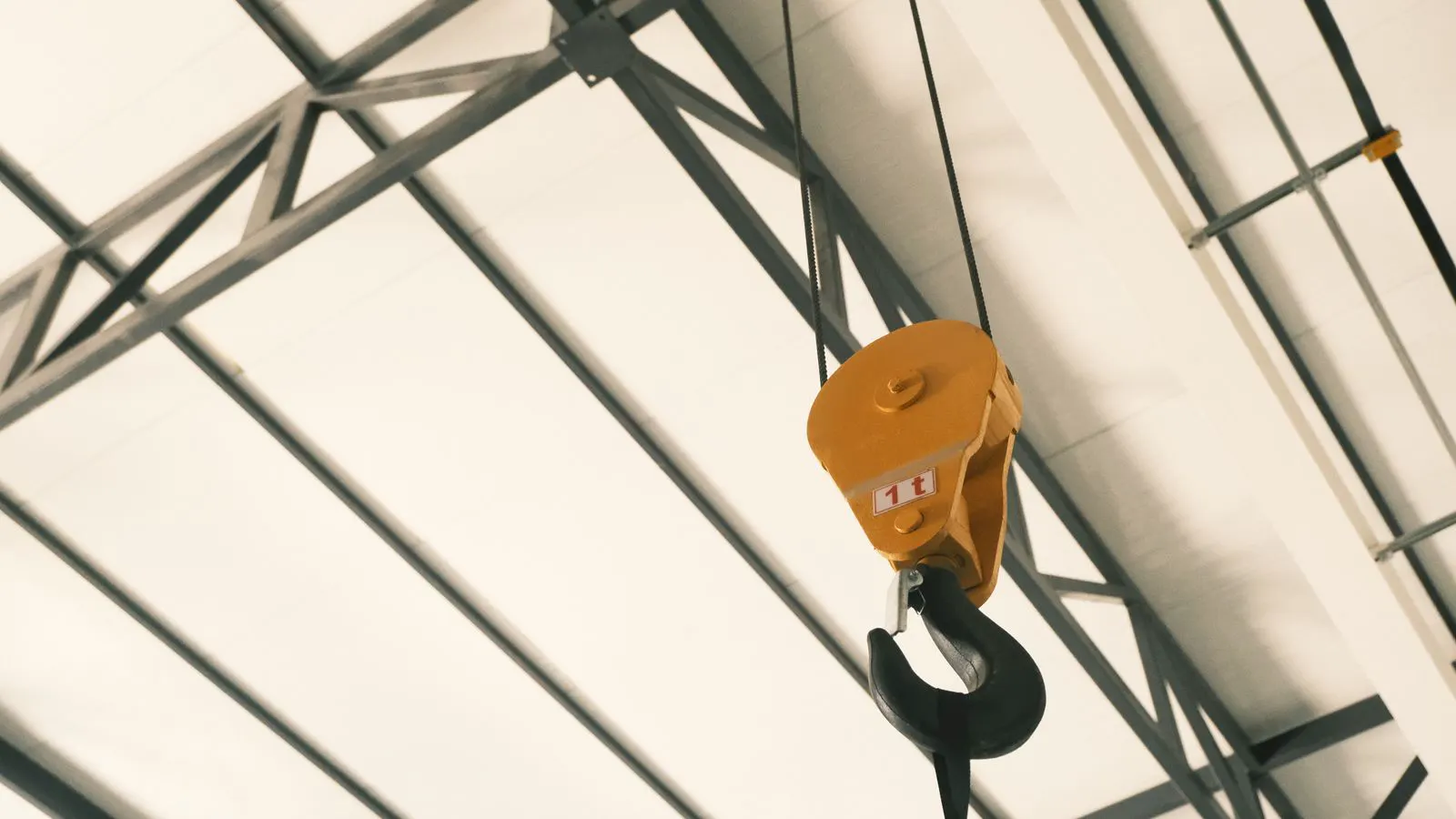
Troubleshooting Low Toughness in Forged Crane Components
Low toughness in forged crane parts usually stems from improper heat treatment, material inclusions, or forging defects. This guide lists common symptoms, likely causes

Examples of how forged components are used across automotive, aerospace, energy, and heavy equipment industries.
Low toughness in forged crane parts usually stems from improper heat treatment, material inclusions, or forging defects. This guide lists common symptoms, likely causes
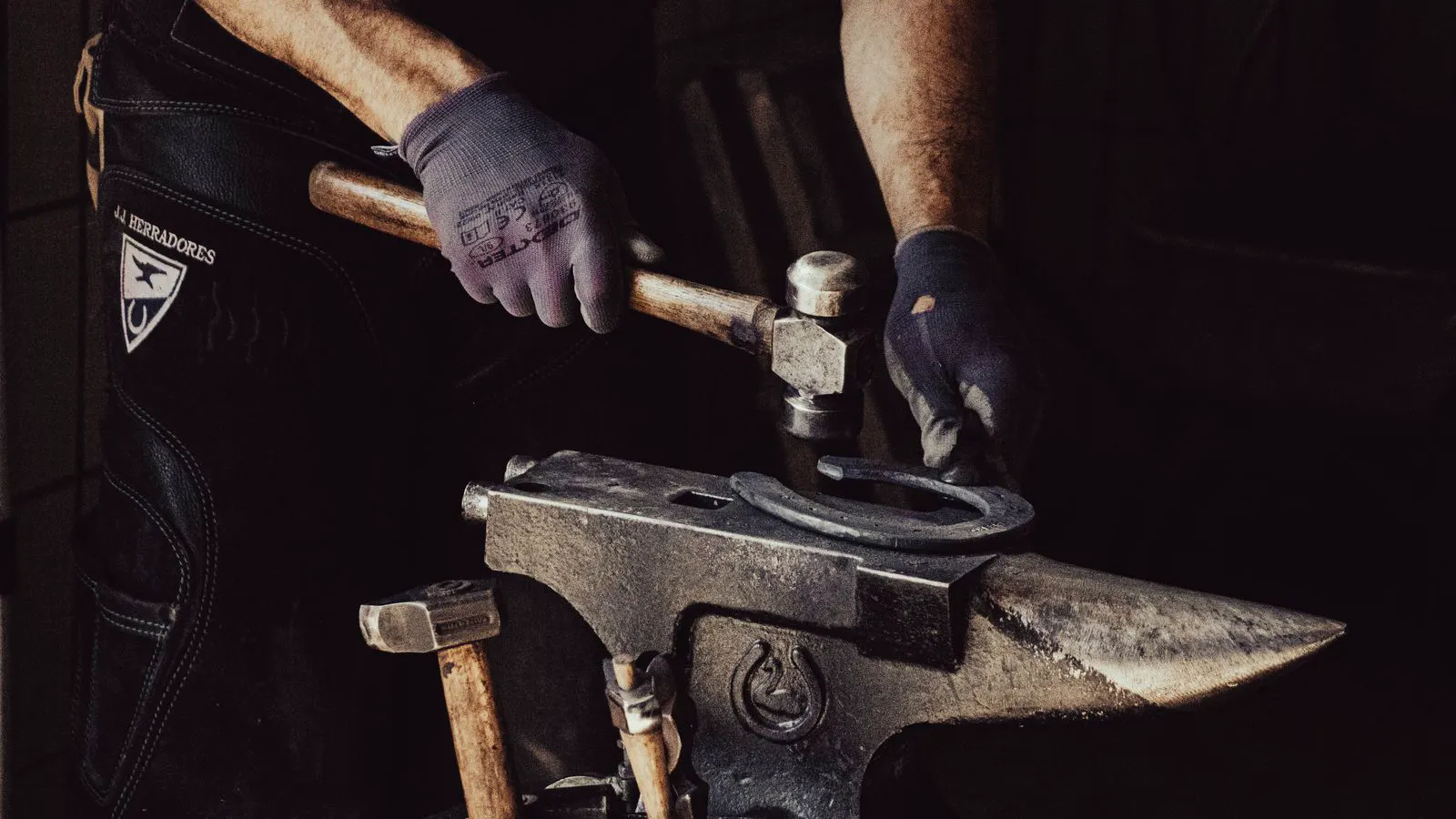
Choose forged flanges energy service when pressure, temperature, and safety margins demand higher strength, tighter tolerances, and full grain flow. Casting suits lower
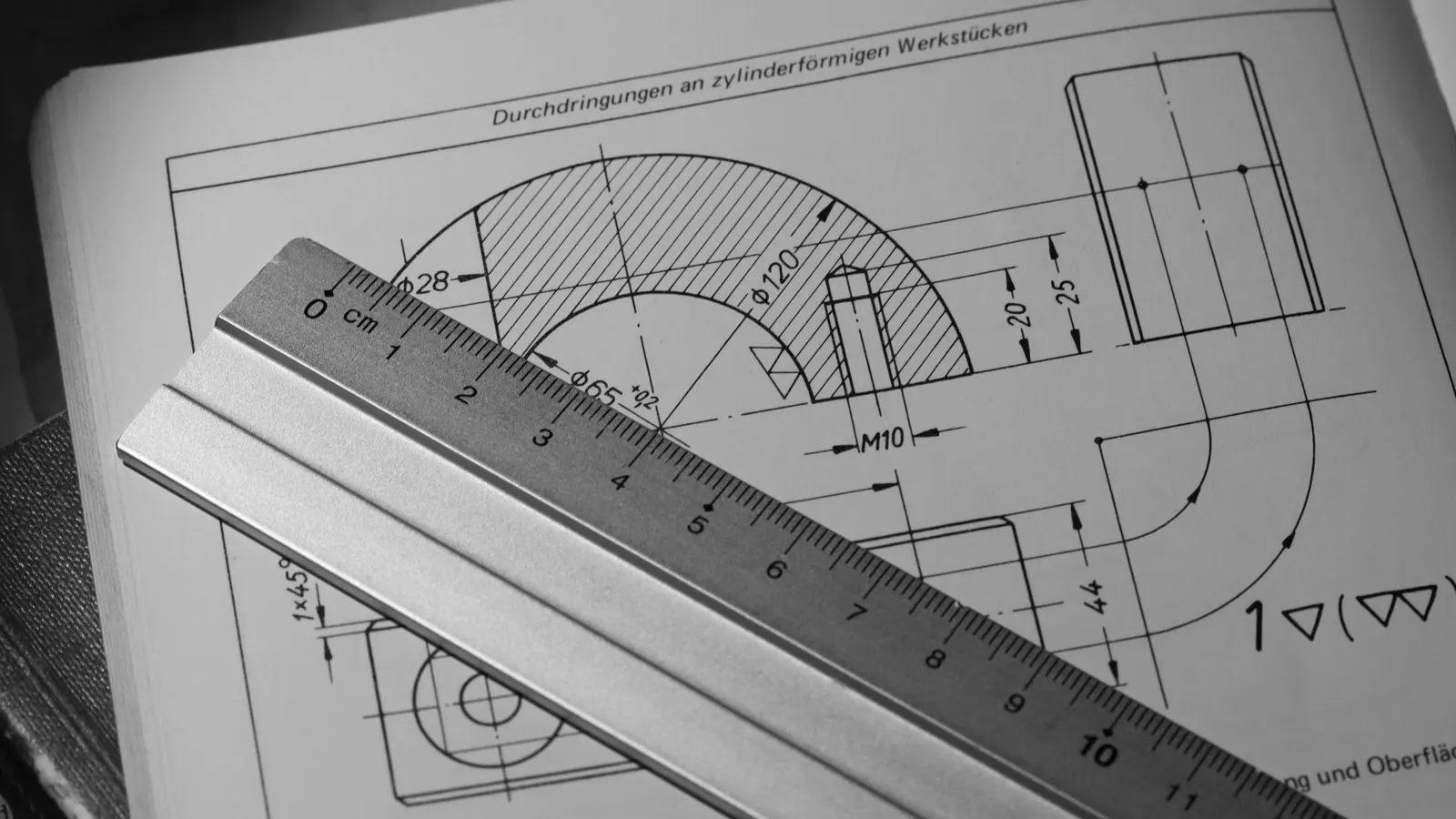
Specify tolerances by starting with functional requirements, selecting material and process, defining dimensional and geometric limits, and setting verification methods.
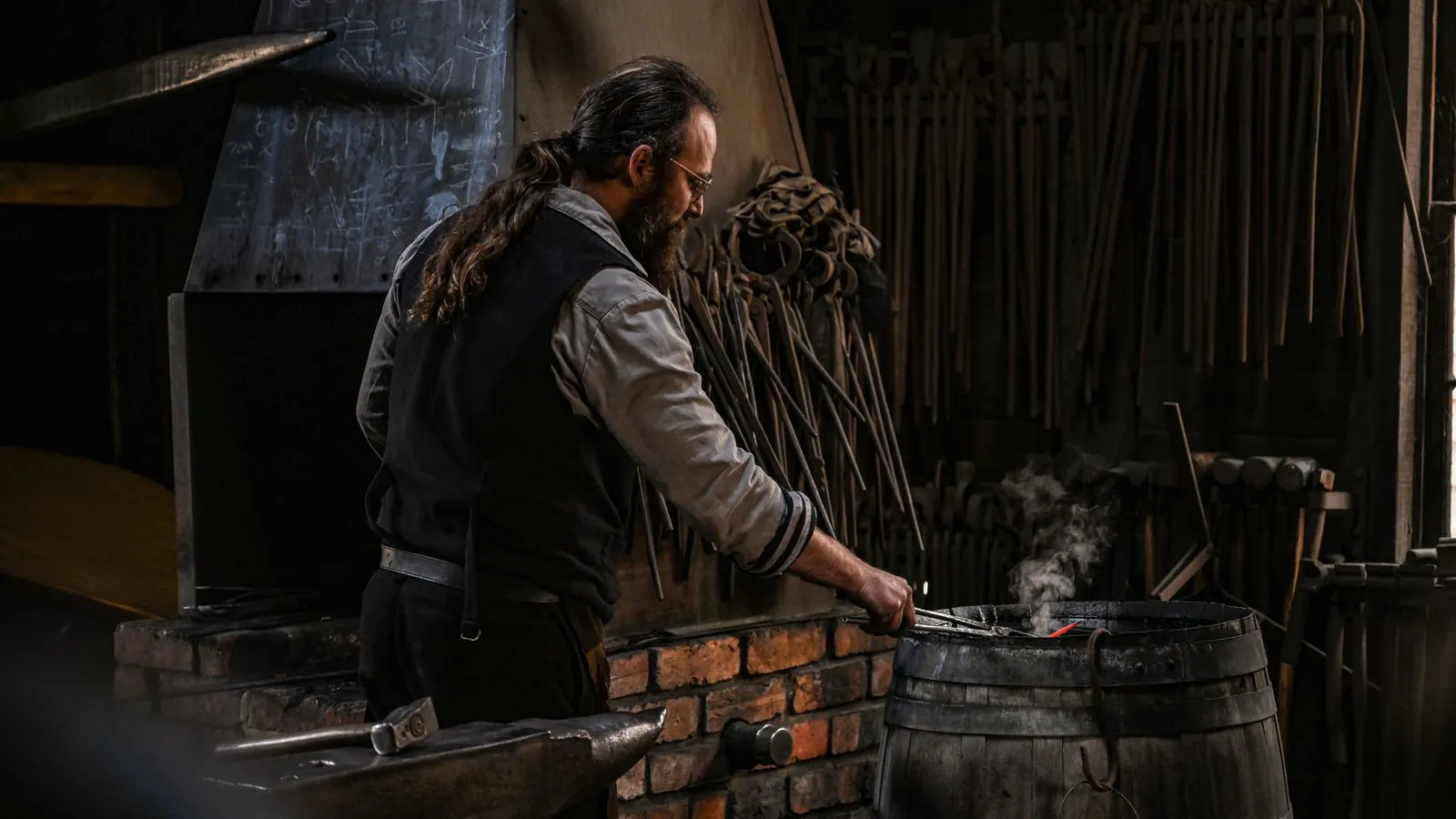
Material certificates verify the chemical composition, heat traceability, mechanical properties, and heat treatment of forged parts. This checklist helps buyers confirm
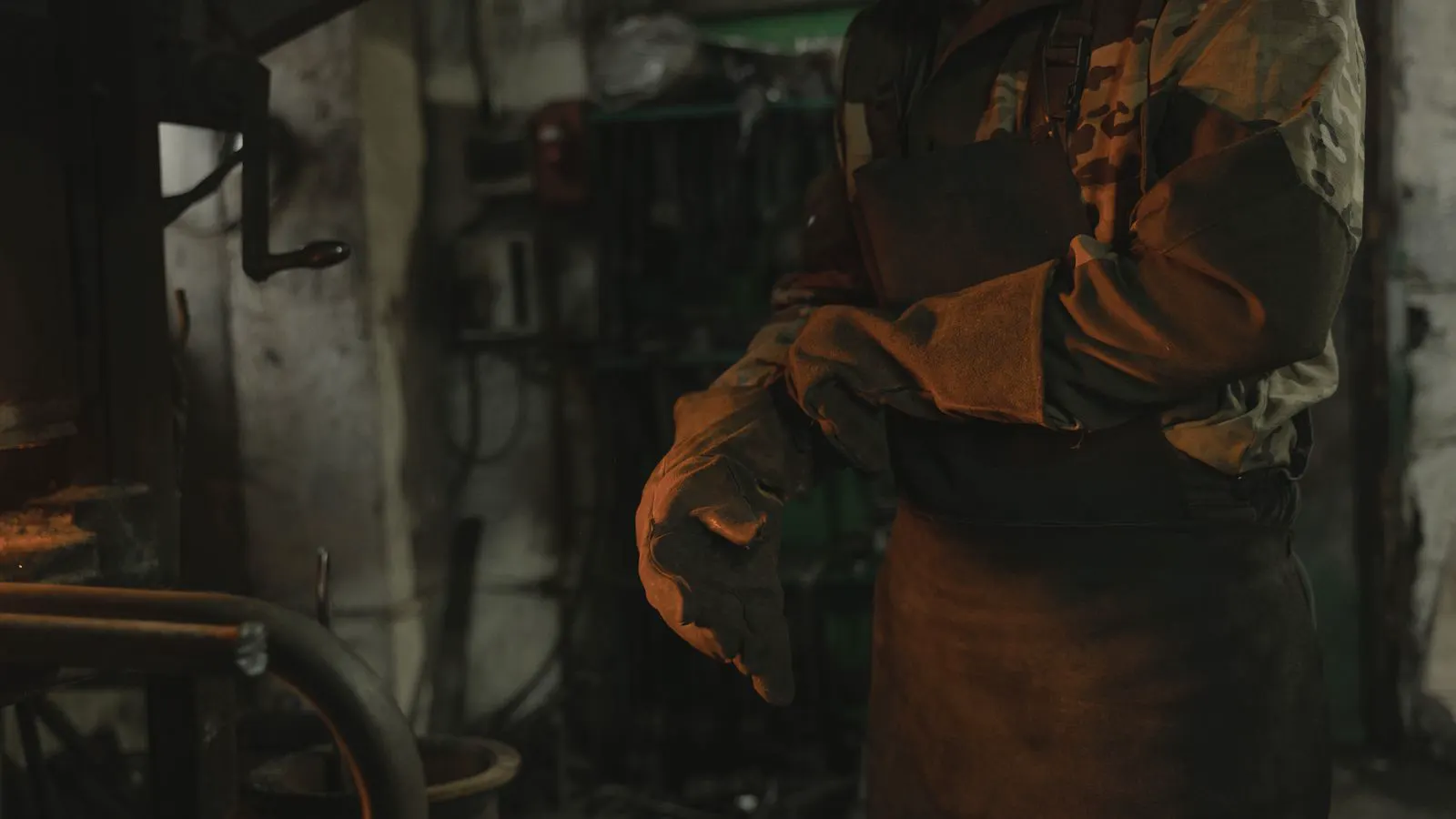
Open die forging suits heavy, high-strength components with loose tolerances, while press forging handles smaller, precise parts. The method choice depends on part mass
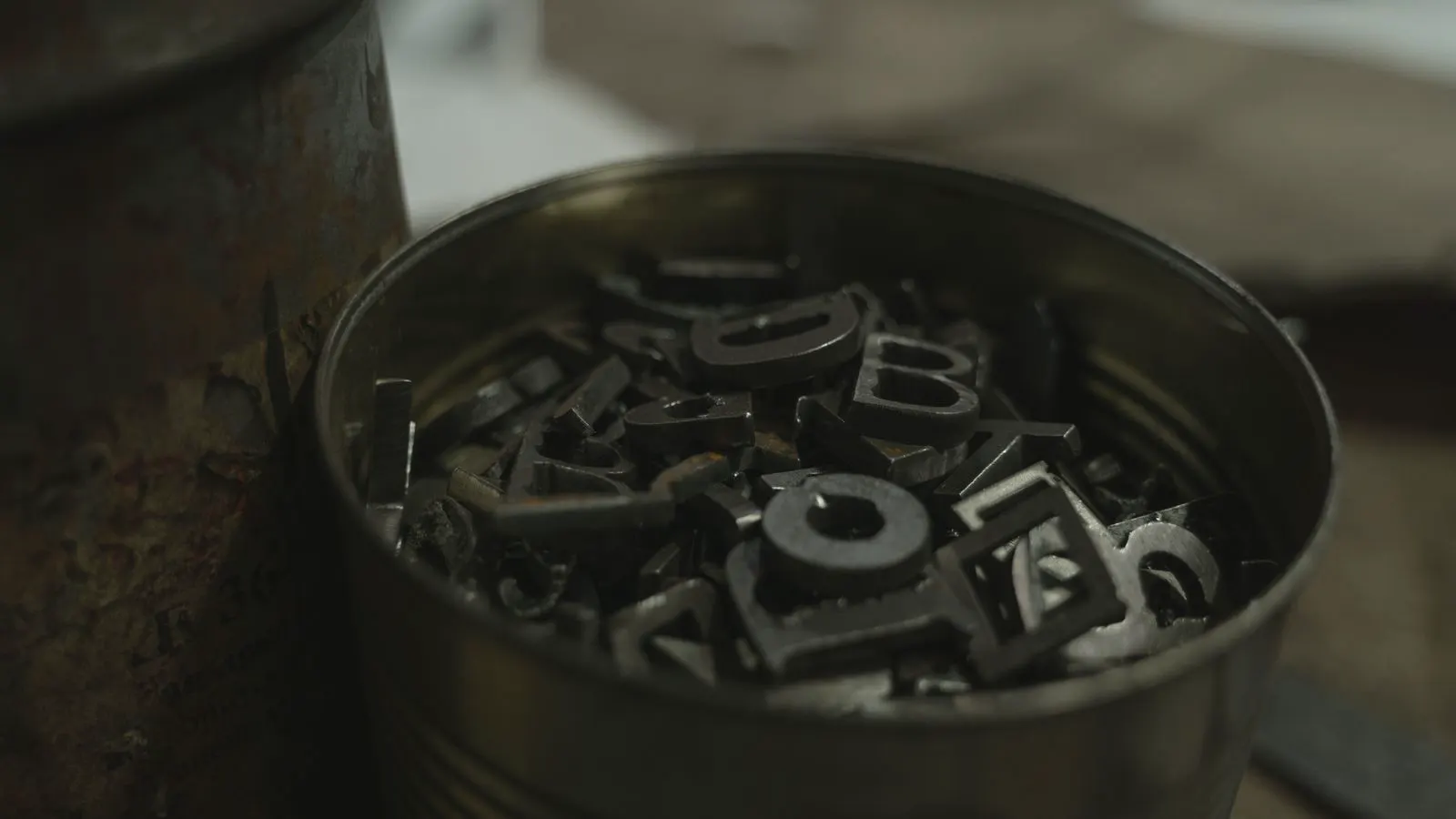
Sourcing forged components requires evaluating supplier capabilities, material traceability, and quality systems. This guide outlines the criteria for selecting reliable
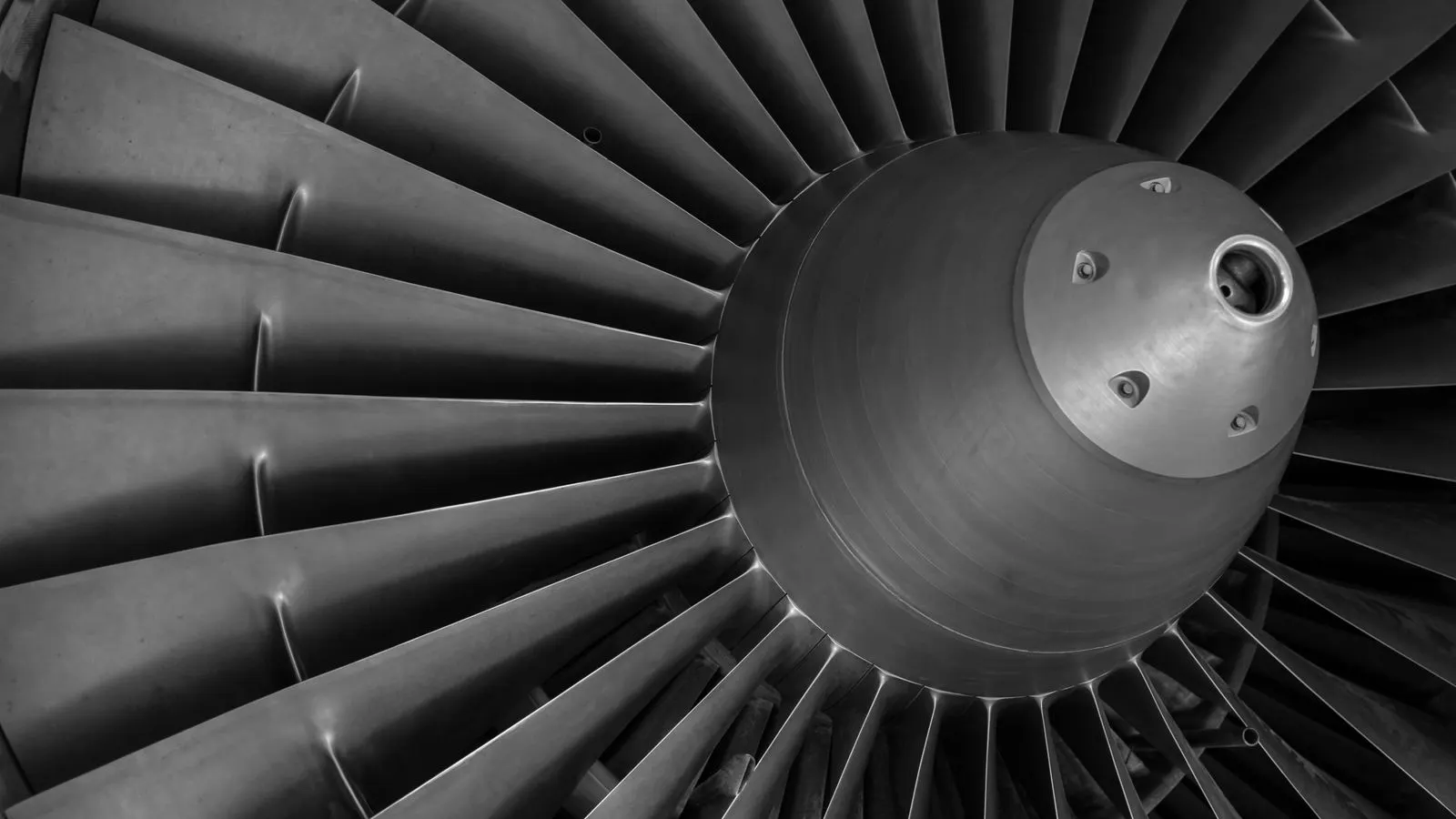
Aerospace forging is shifting toward hybrid processes and new materials. This guide outlines five key trends in additive manufacturing and alloys, explaining how buyers
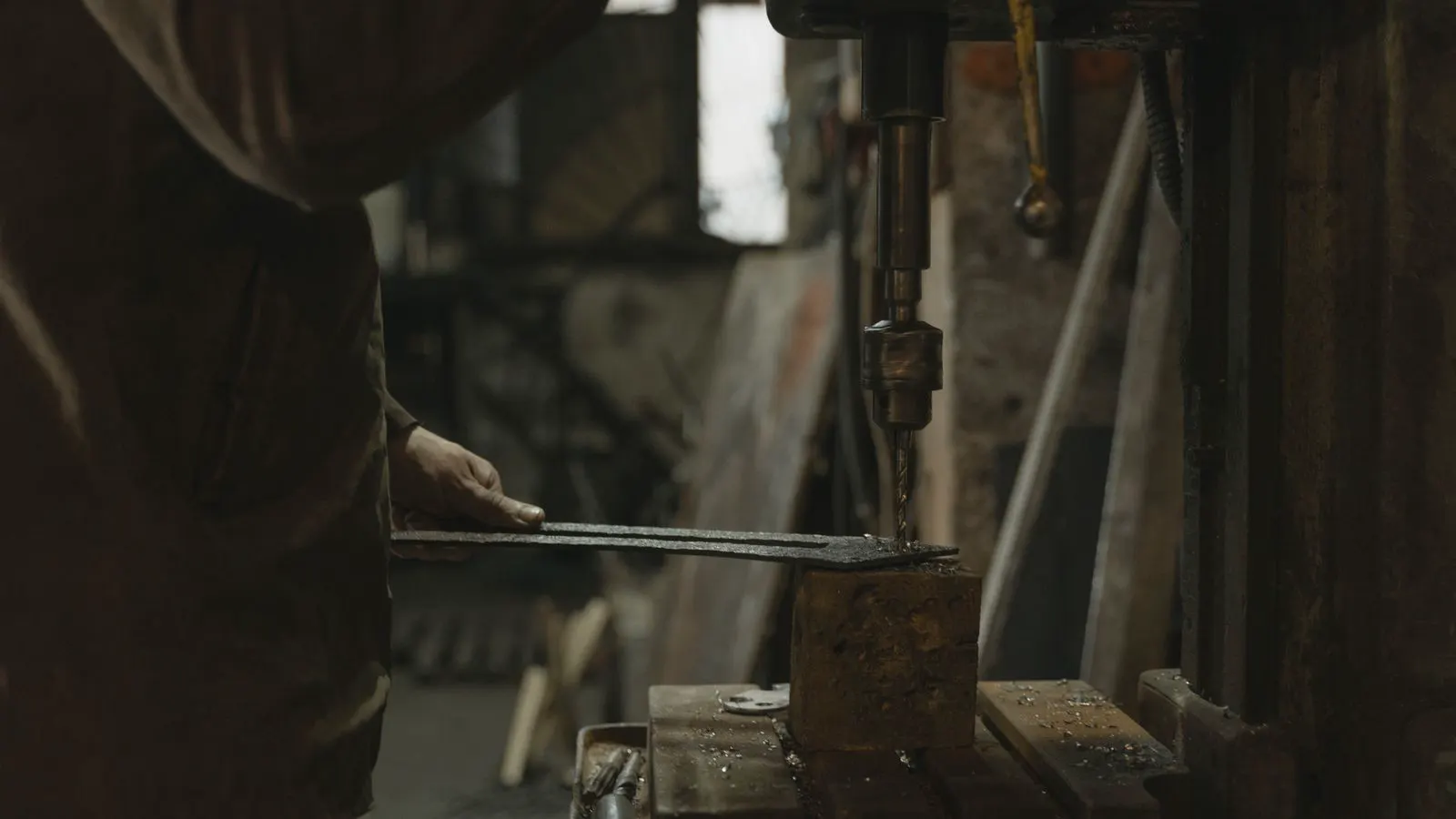
Forged steel parts usually have higher upfront costs but lower per-unit prices at scale, while machining offers faster prototyping. Lead time depends on volume
Porosity in forged parts causes structural weakness and fluid leaks. This guide details common symptoms, likely causes, and specific corrective actions. It also provides
Forged components offer higher strength and fatigue resistance due to compressed grain structure, making them ideal for critical machinery. Cast parts are more