
Steel & Alloy Grades
Explaining Quenching Media Selection for Forged Parts
Quenching media selection determines cooling rates that control hardness and distortion in forged steel. Understanding oil, water, and air quenching trade-offs helps
Detailed overviews of common steel and alloy grades used in forging, covering mechanical properties and typical applications.
Quenching media selection determines cooling rates that control hardness and distortion in forged steel. Understanding oil, water, and air quenching trade-offs helps

4140 forging costs less than 4240 due to lower alloying element requirements and simpler heat treat cycles. 4240 offers higher yield strength and better wear resistance

Procurement teams should watch five shifts in low alloy steel forging. These trends center on tougher microstructures, tighter chemical control, and better grain flow.
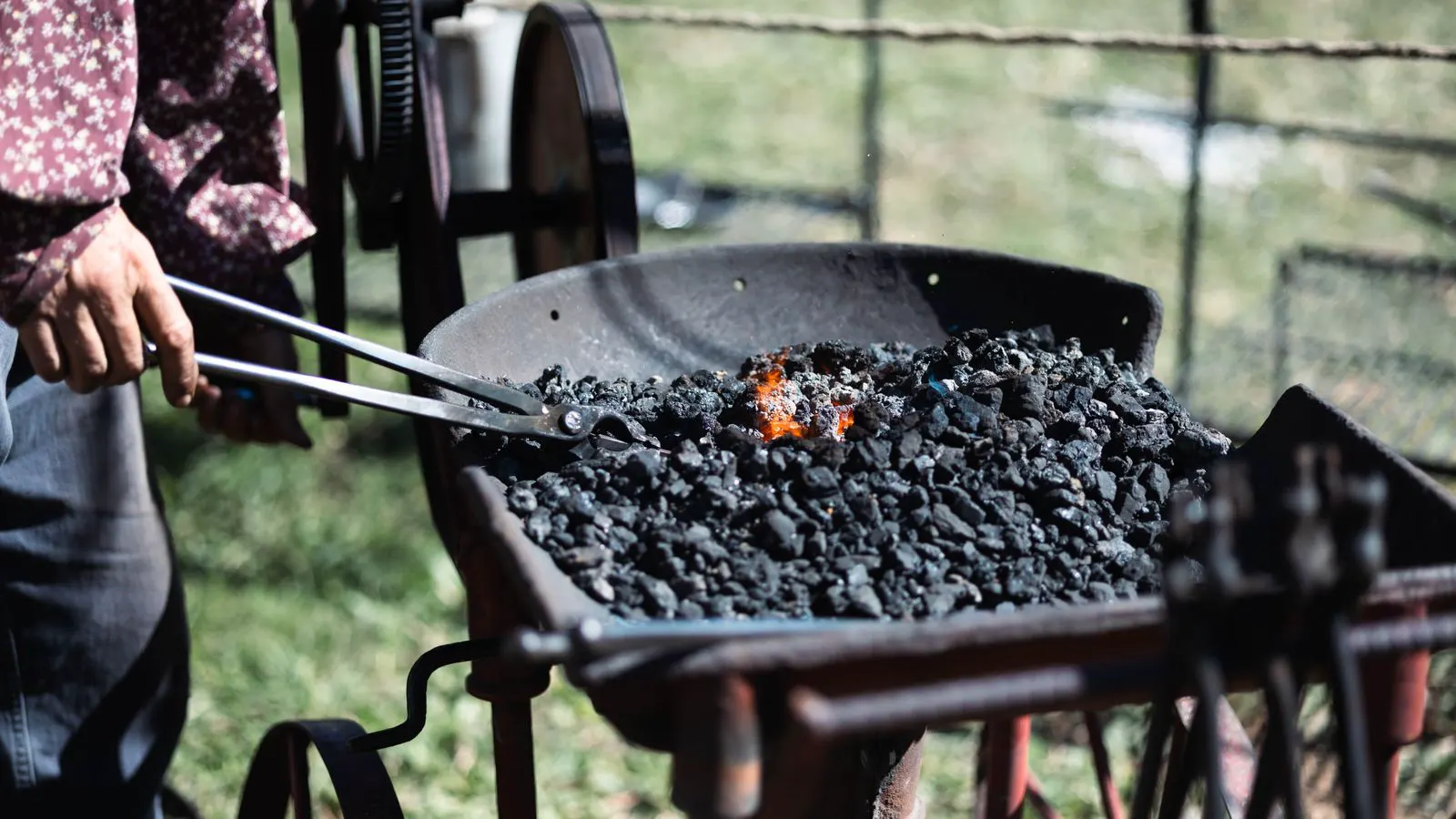
Engineers must define grain flow specification requirements in purchase orders to protect shaft fatigue life. This guide shows how to set metallography standards, verify
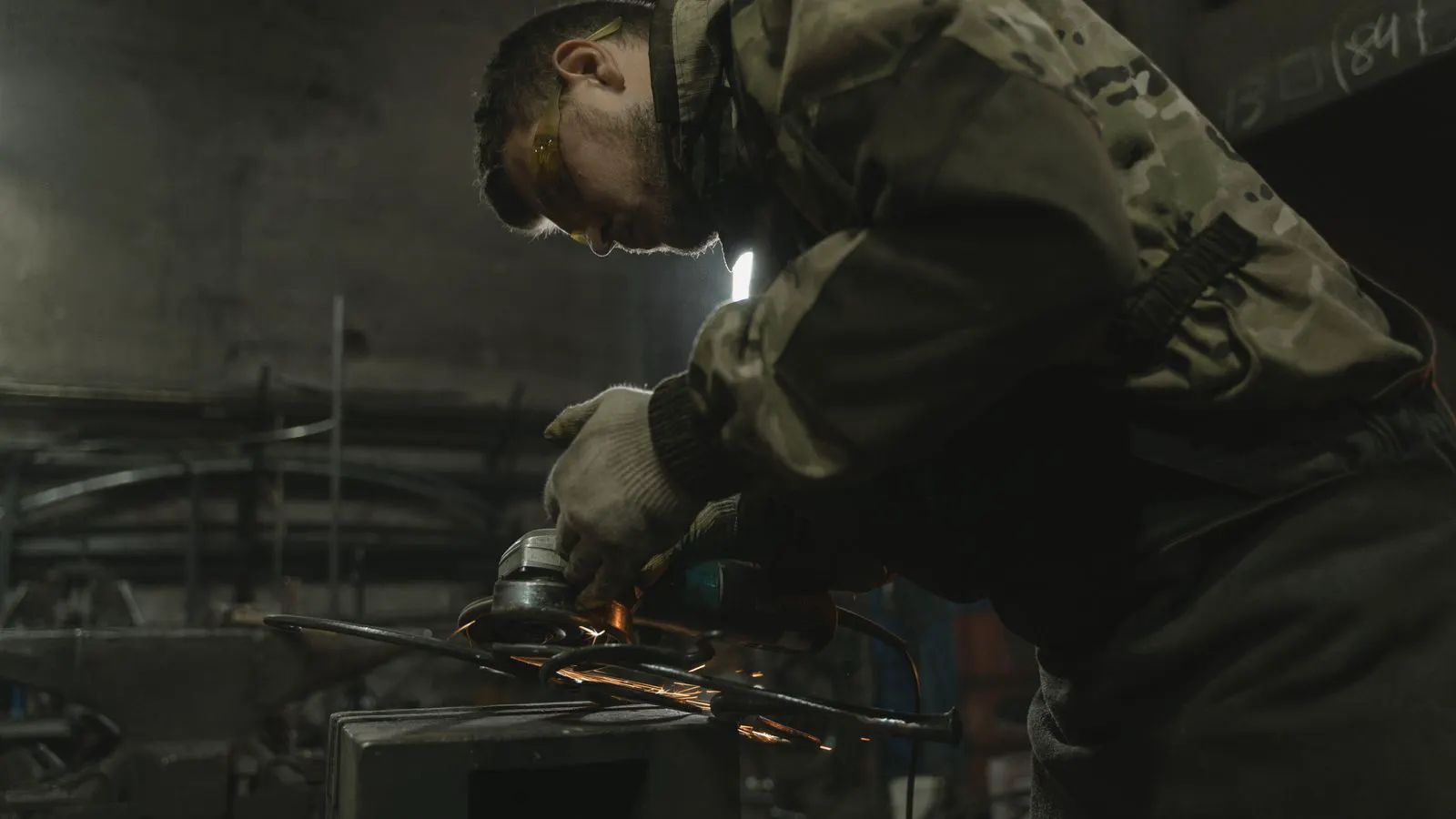
Buyers confirm forged alloy steel certificates by cross-checking chemical analysis, alloy composition, and heat traceability. This audit checklist covers document
Microalloy forging will not fully replace traditional alloys in heavy industry. Instead, it will reshape supply chains by improving strength-to-weight ratios and
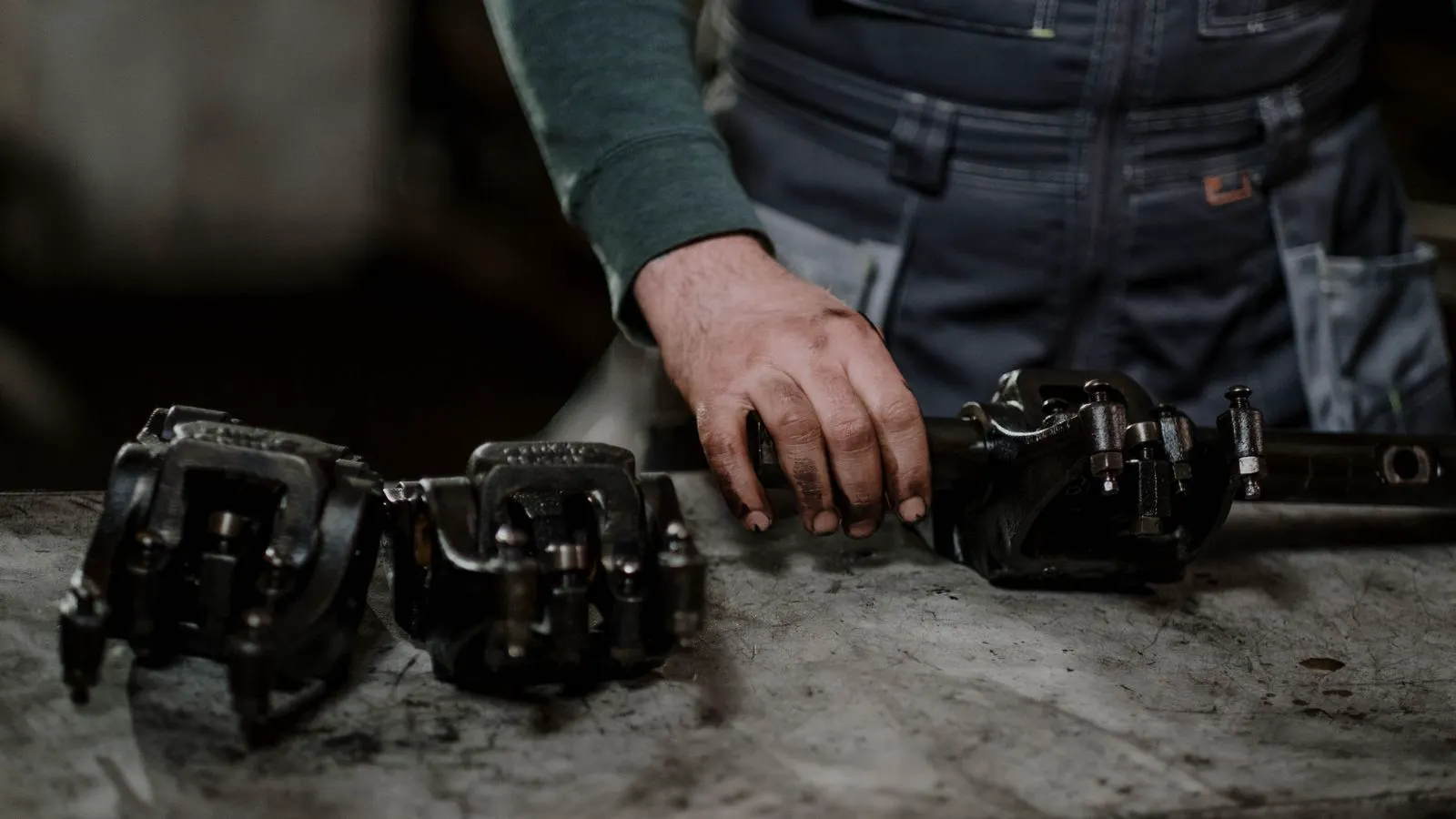
Case hardening forging hardens only the outer layer of a part, while through hardening changes the entire cross section. Engineers must choose based on wear depth
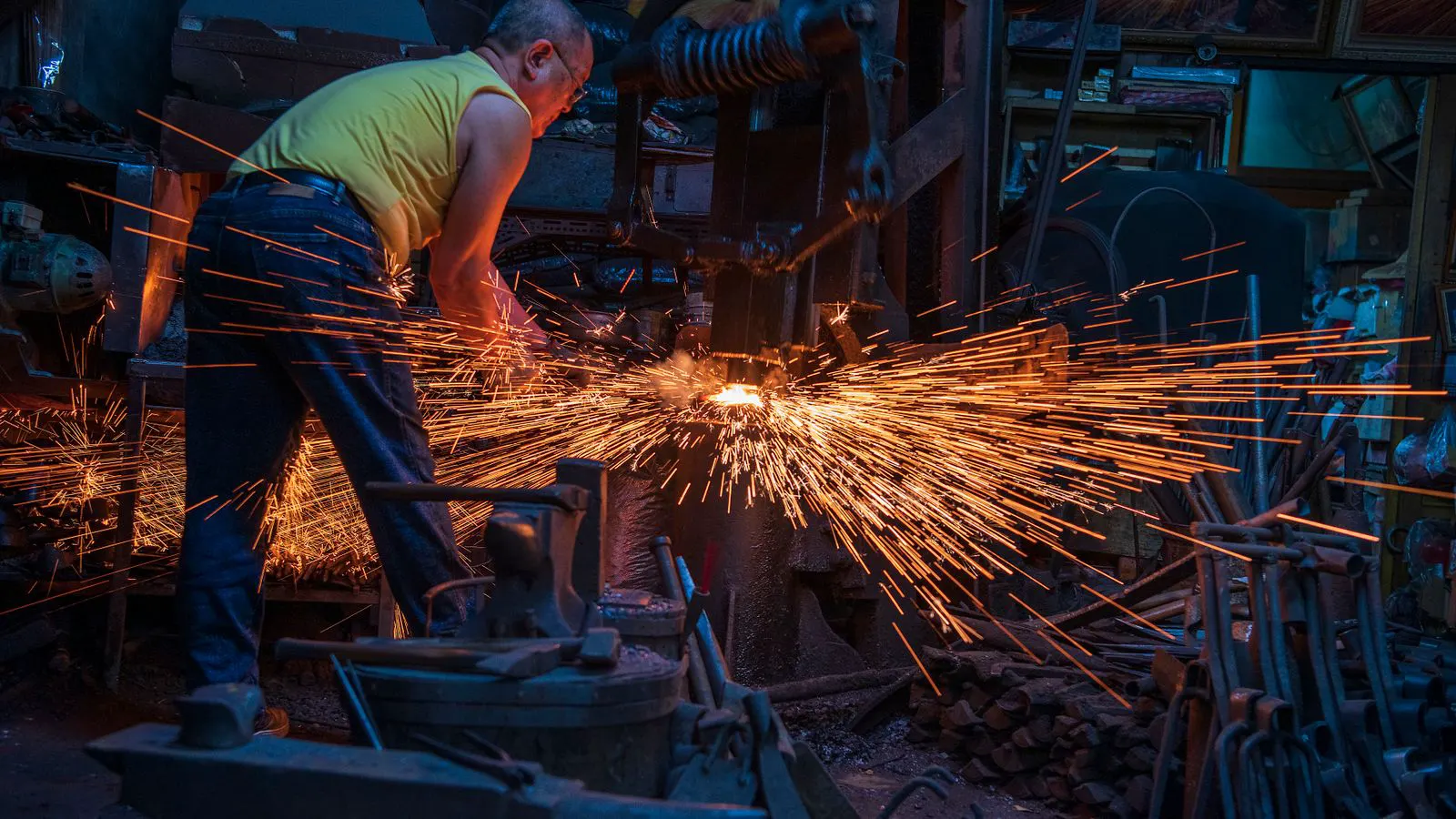
1018 suits high-volume, low-stress parts needing easy machining. 1045 handles higher loads and better fatigue. Choose based on yield strength, section thickness, and
Low impact strength in forged alloy parts usually traces to heat treatment errors, uncorrected core inclusions, or improper post-forging cooling. Engineers should
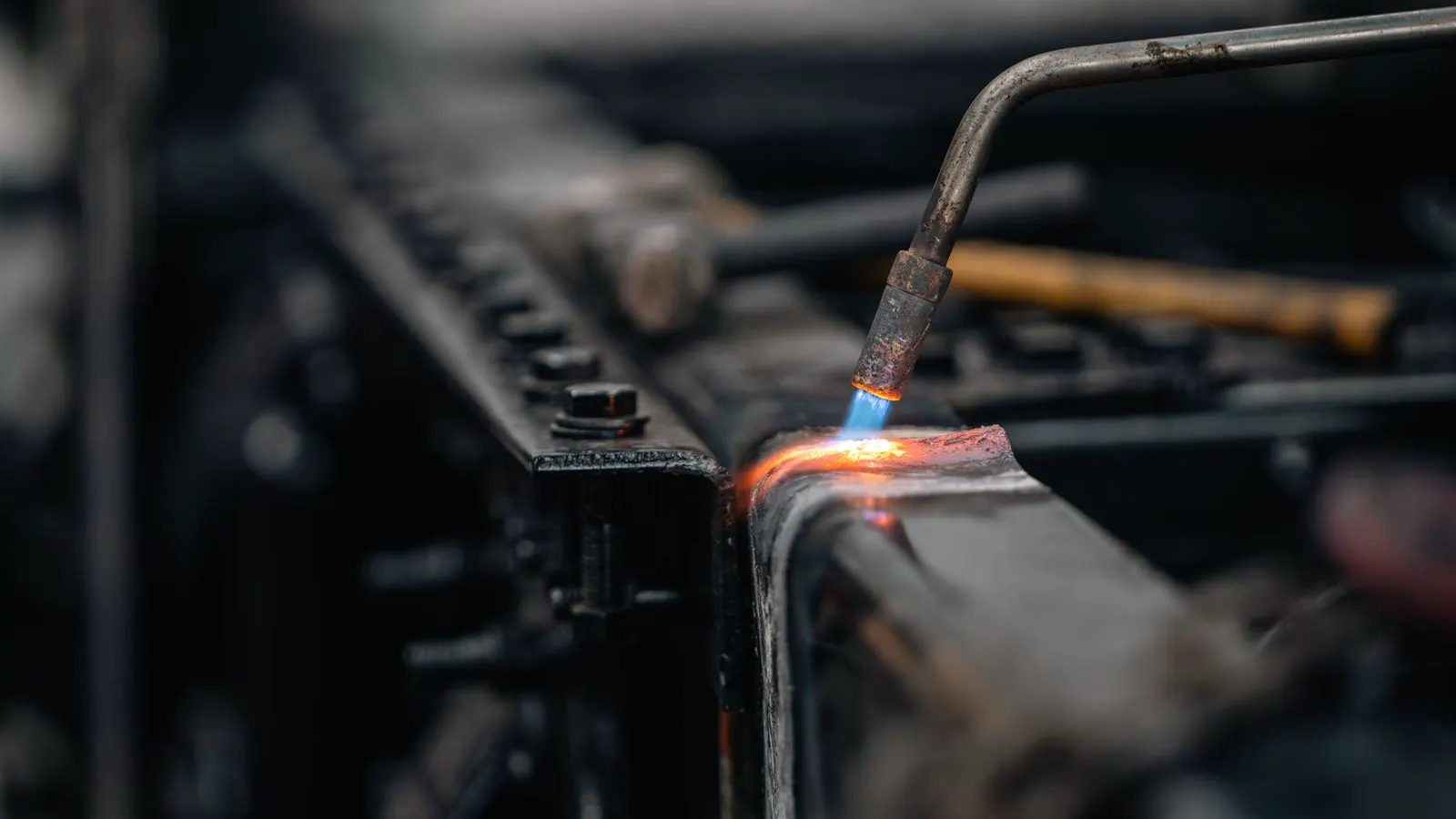
Verify carbon equivalency by matching mill test reports to weld specifications, checking heat treatment records, and confirming preheat values. This process prevents
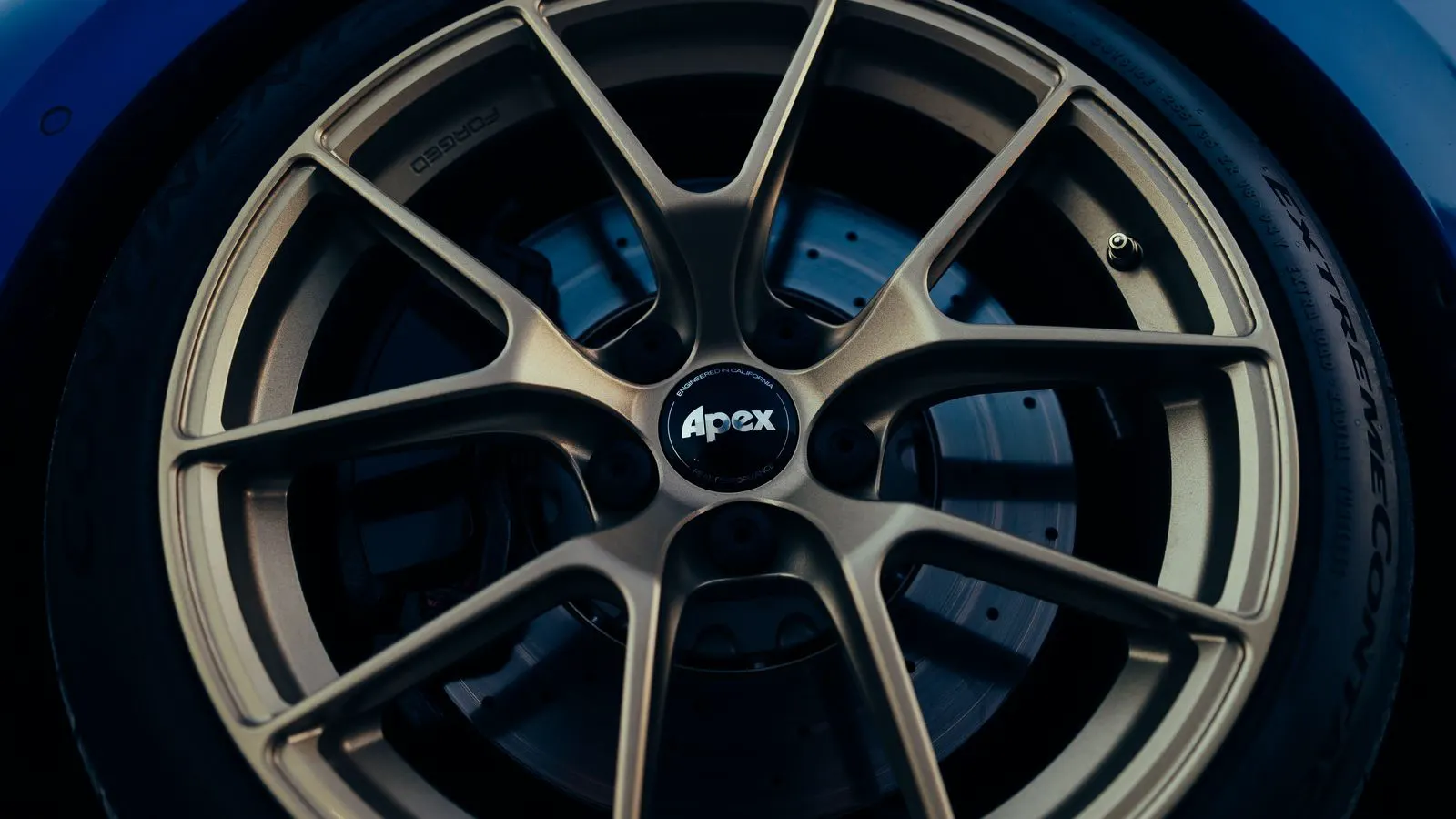
4340 offers higher strength and fatigue resistance than 4140, justifying its higher cost for critical load-bearing components. 4140 remains a practical choice for lower
Choose 316L forging for better chlorides and corrosion, or 321 stainless for higher temperature strength. This guide explains the differences to help you specify forged