
Open-Die & Closed-Die Forging
How-to: Specify Die Life in Forging RFPs
A strong forging RFP specification defines die life requirements, acceptance criteria, and warranty terms to protect your production line. This guide provides a
Practical guides on open-die and closed-die forging processes, including tooling, production limits, and process selection for parts.
A strong forging RFP specification defines die life requirements, acceptance criteria, and warranty terms to protect your production line. This guide provides a

Preformed stock reduces machining time and scrap but raises upfront material cost. Bar stock costs less per ton but requires more setup and finish work. The best choice

Flash removal defines the material loss between the raw billet and the finished forging. It directly affects forging yield, unit cost, and die wear. Engineers must

Hydraulic presses deliver variable force for complex shapes, while mechanical presses run faster for high-volume simple parts. The right choice depends on part geometry
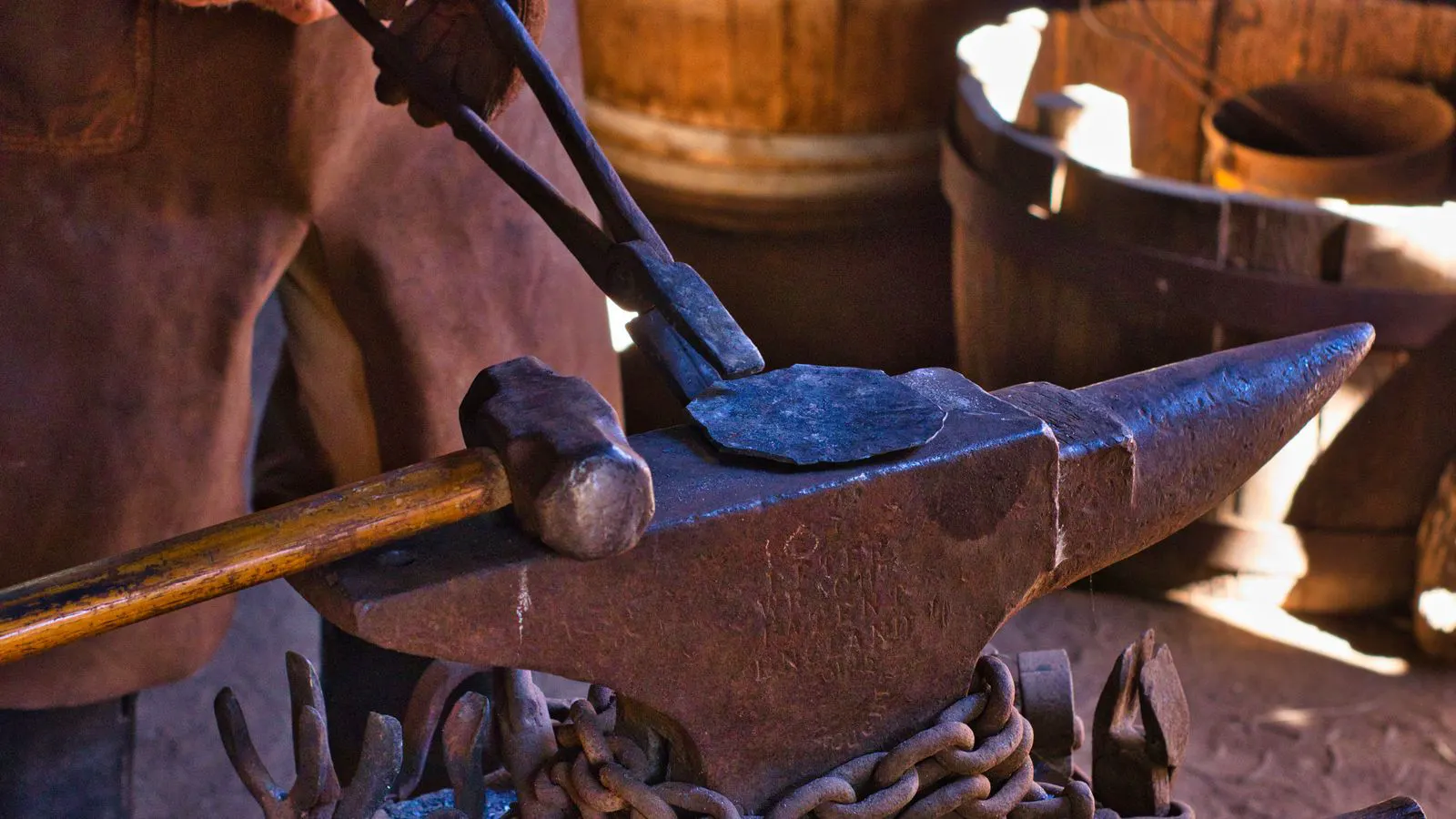
This guide provides a practical protocol for measuring forging die wear, inspecting tooling life, and preventing dimensional drift in open-die and closed-die operations.

Selecting a supplier for high-strength alloy flanges requires checking die capability, material traceability, and post-forging inspection. This guide provides a
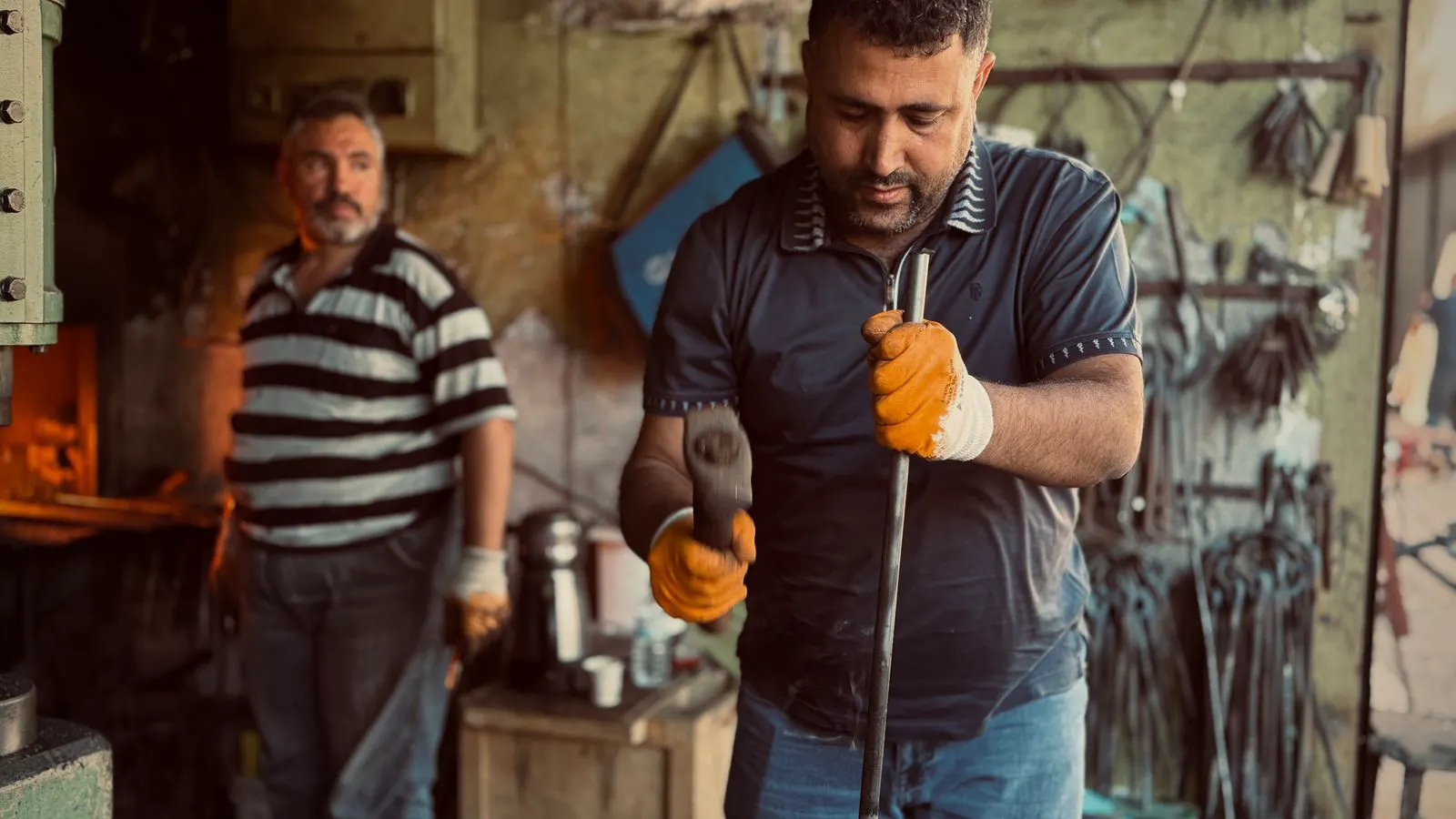
Grain flow fatigue refers to how aligned metal grains extend the life of forged shafts. Proper alignment reduces stress risers and improves resistance to cyclic loading.

High-volume closed-die forging is shifting from manual labor to integrated robotics. This outlook outlines five key shifts in economics and operations, focusing on how

Specify grain flow by defining metal flow direction on critical faces, setting acceptable deviations, and linking requirements to part orientation. Clear drafting
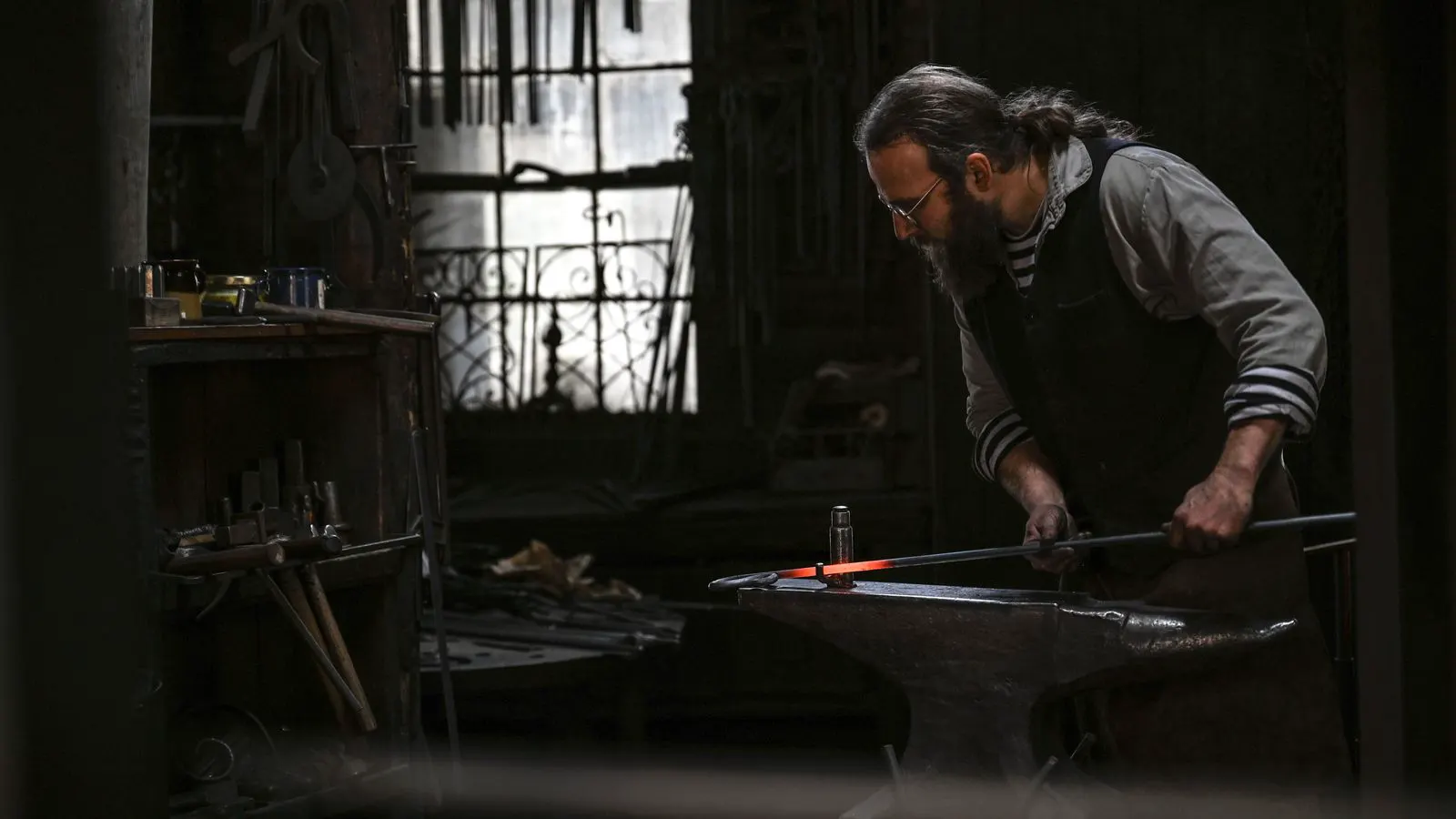
Forging cost small batch runs is higher per unit due to tooling amortization. High volume forging costs drop as die investment spreads across many parts. Buyers must
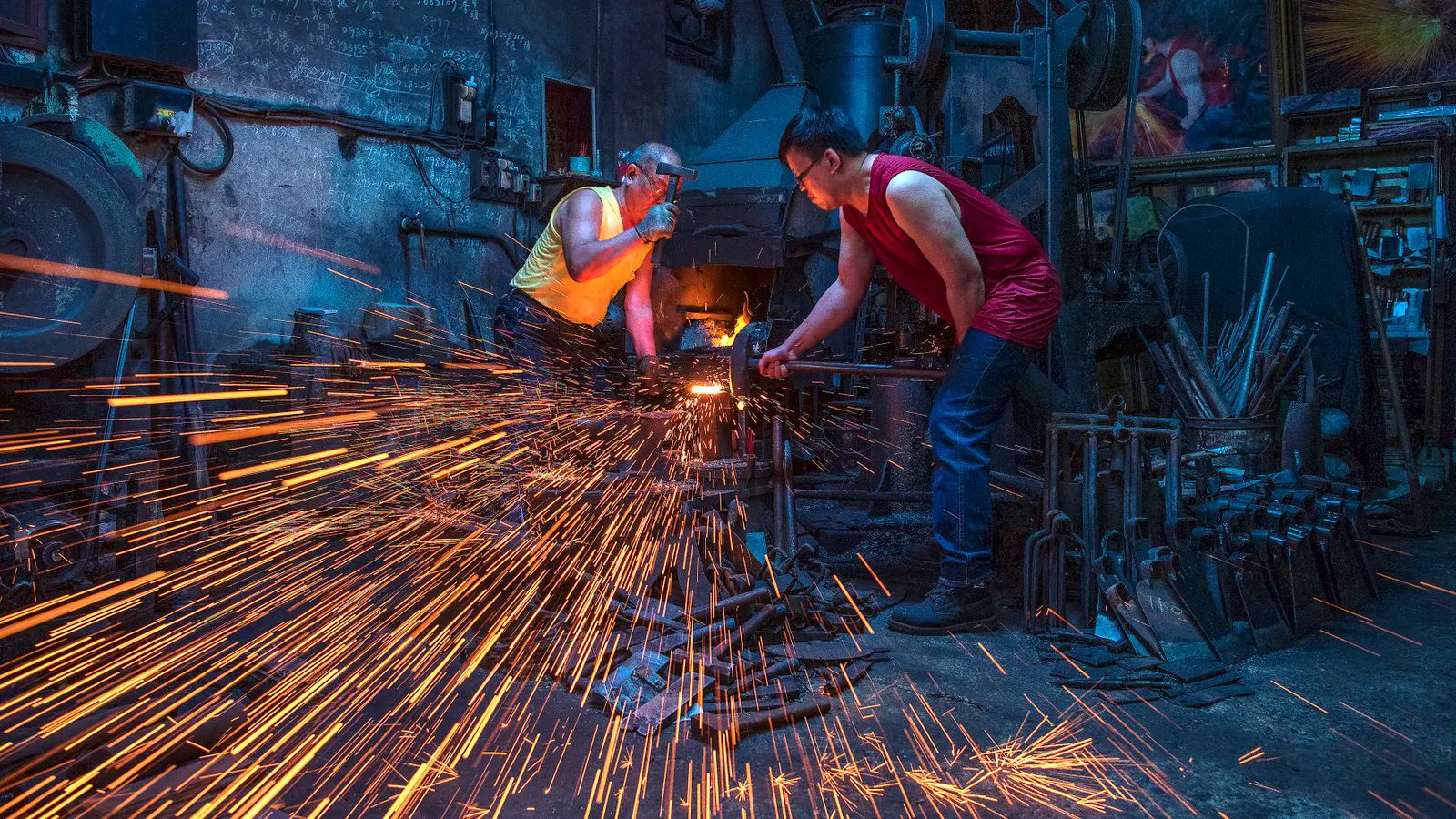
Excessive flash in forging is usually caused by die clearance, lubrication, or material flow problems. Correcting these factors reduces metal outside the part
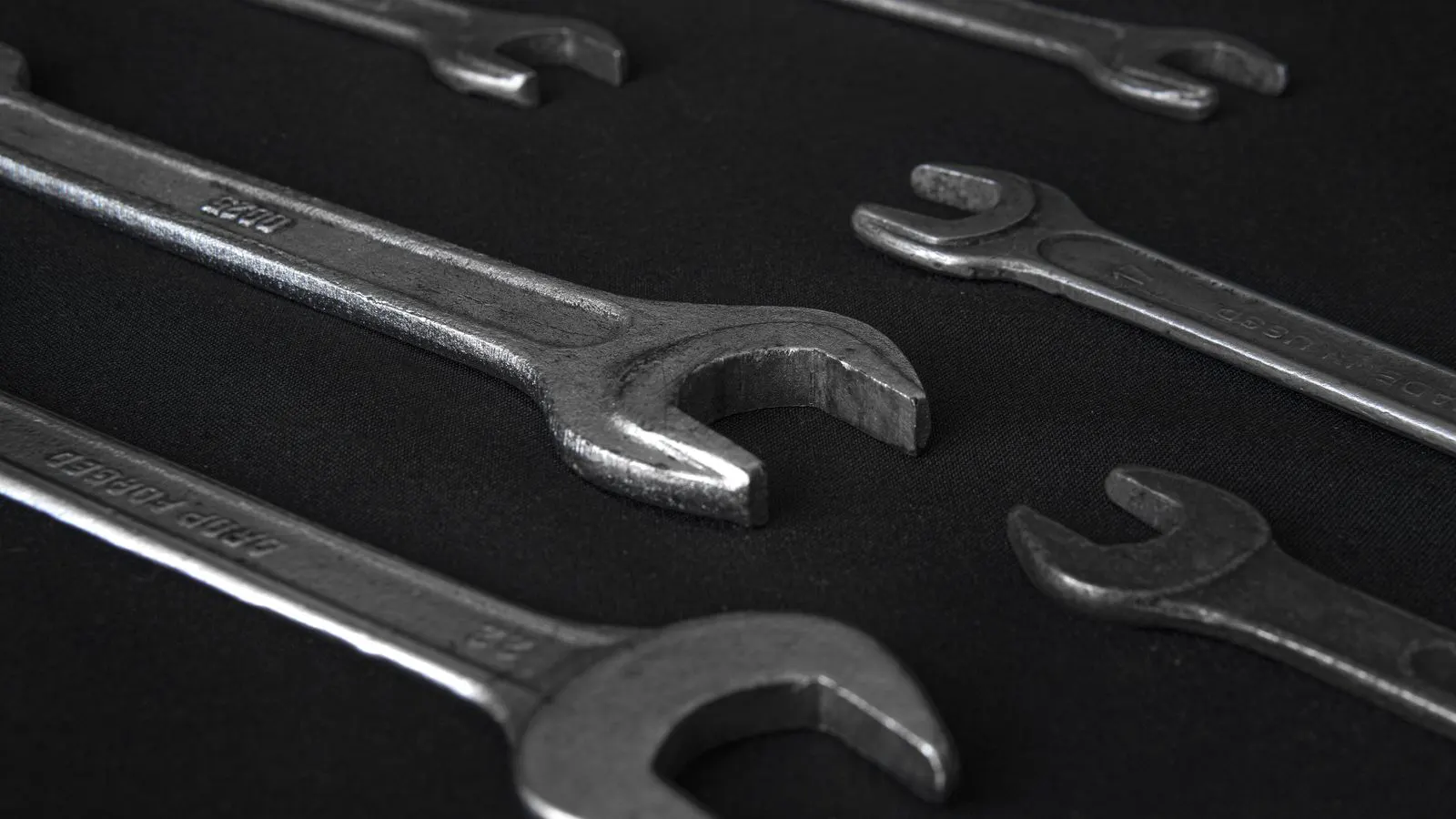
Semi-closed die forging uses one solid die and a flat punch to shape metal. It suits high-volume parts where open-die speed is insufficient but full closed-die cost is