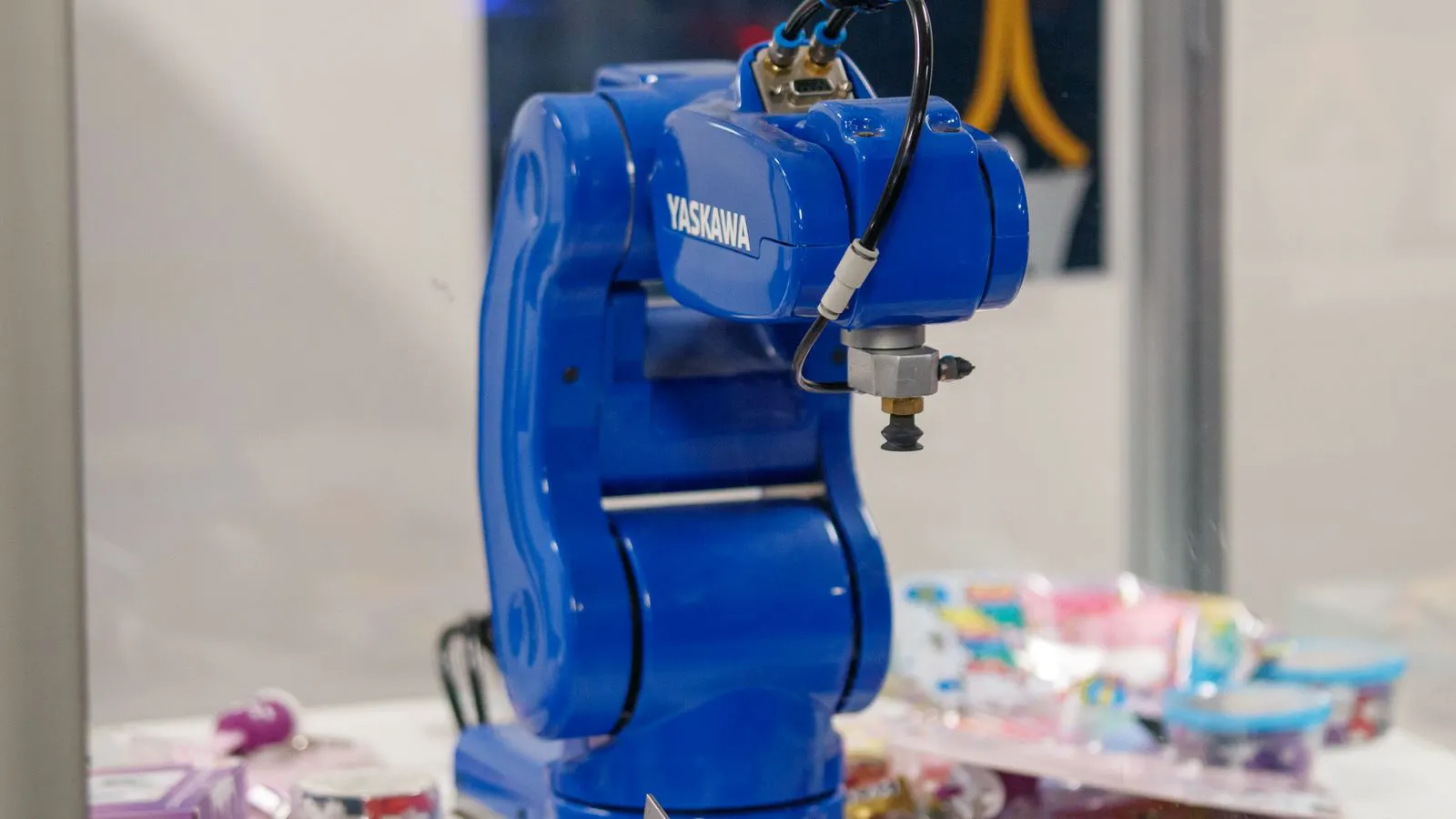
Open-Die & Closed-Die Forging
Outlook: Closed-Die Forging Automation and Robotics
Closed-die forging automation changes how teams manage cycle times, die wear, and labor. This outlook covers five shifts buyers should plan for, from robot integration

Practical guides on open-die and closed-die forging processes, including tooling, production limits, and process selection for parts.
Closed-die forging automation changes how teams manage cycle times, die wear, and labor. This outlook covers five shifts buyers should plan for, from robot integration
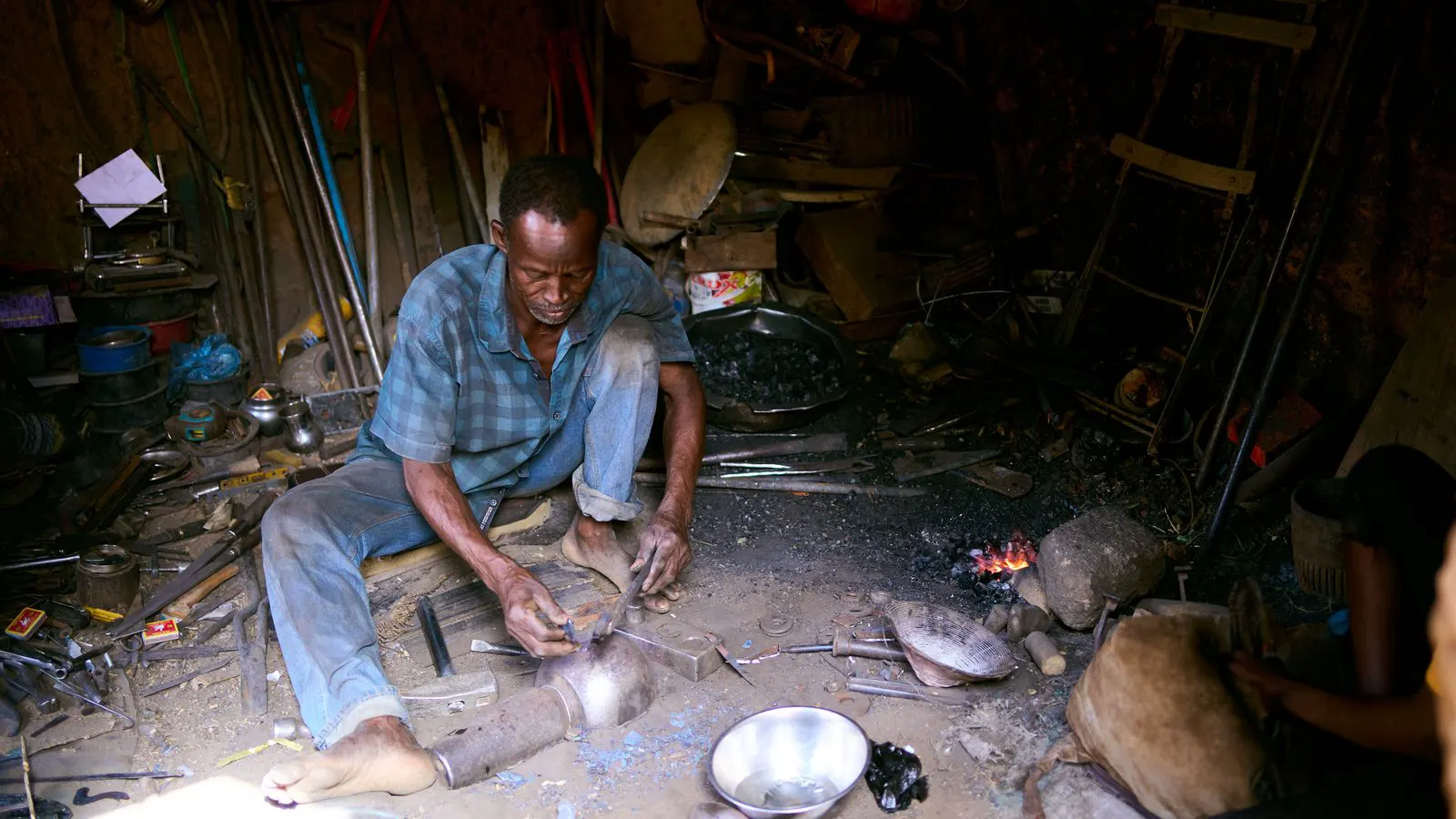
Specify grain flow direction by defining the major axis relative to load vectors. Document required alignment percentages in the drawing notes or bill of materials. Use
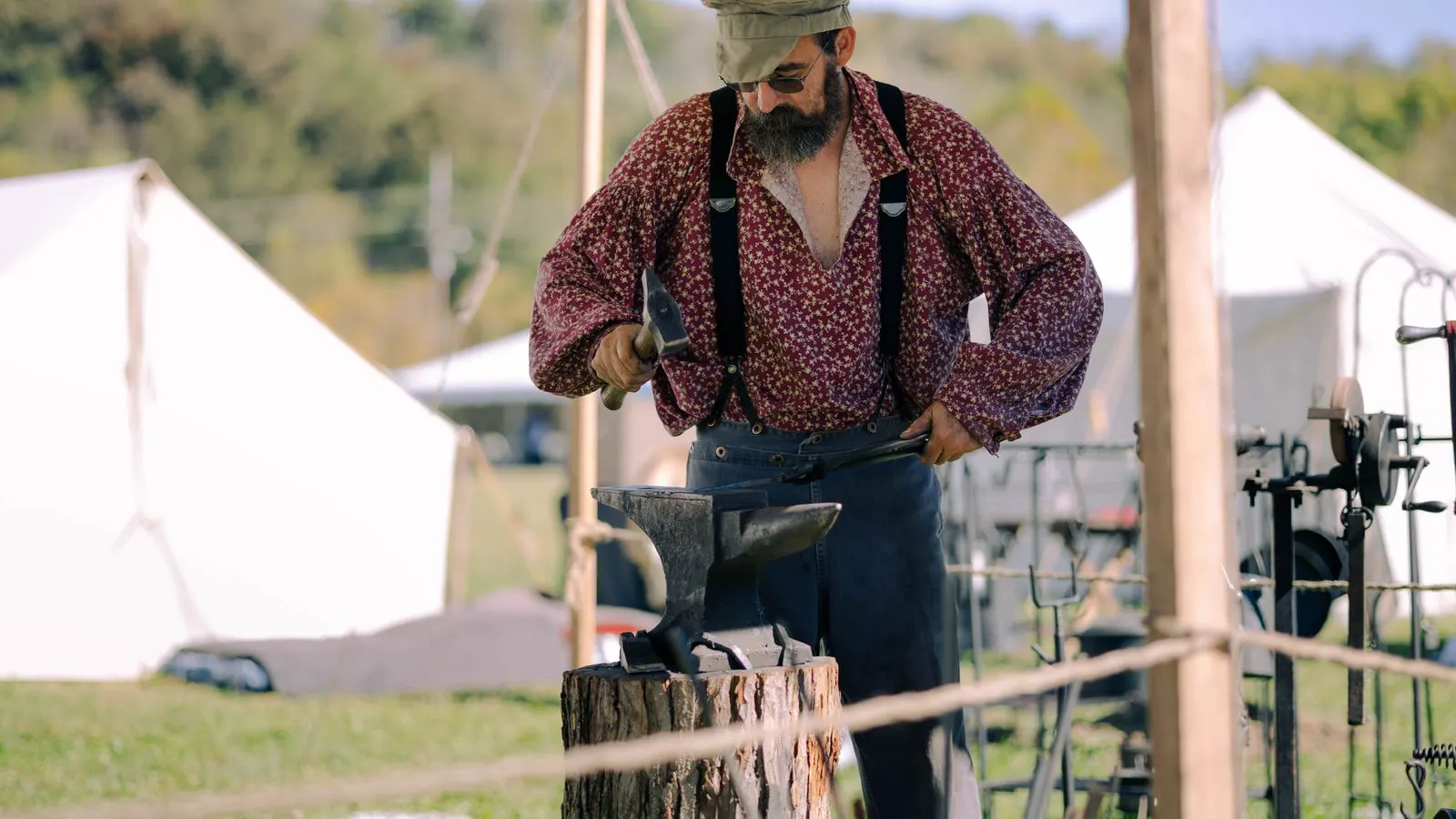
Choose between forged titanium and aluminum flanges by evaluating pressure rating, weight, corrosion resistance, and total cost. Titanium suits extreme conditions and
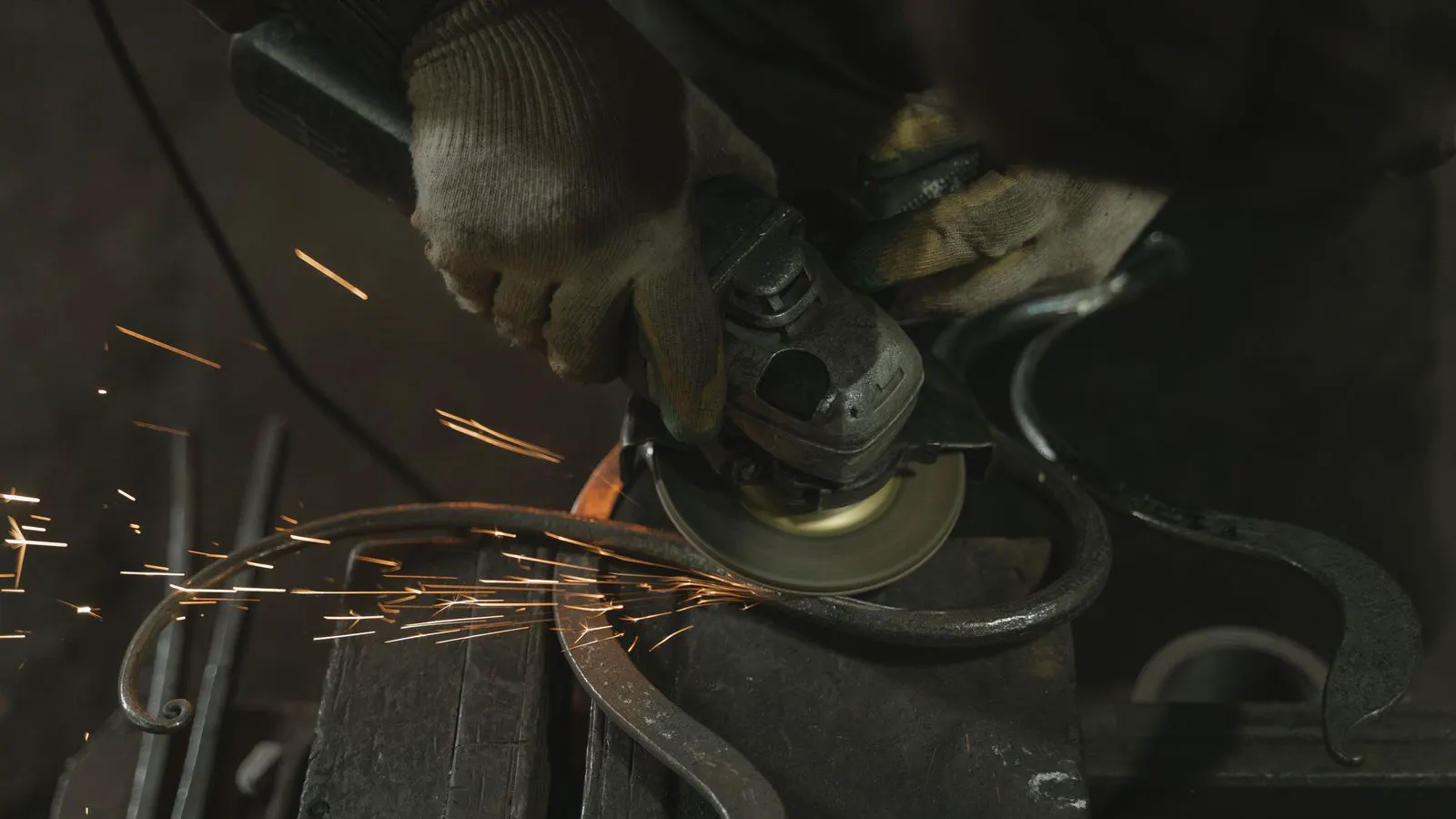
Forging die lead time depends on die complexity, material, and supplier capacity. New tooling costs and die repair cost vary widely based on part geometry and production
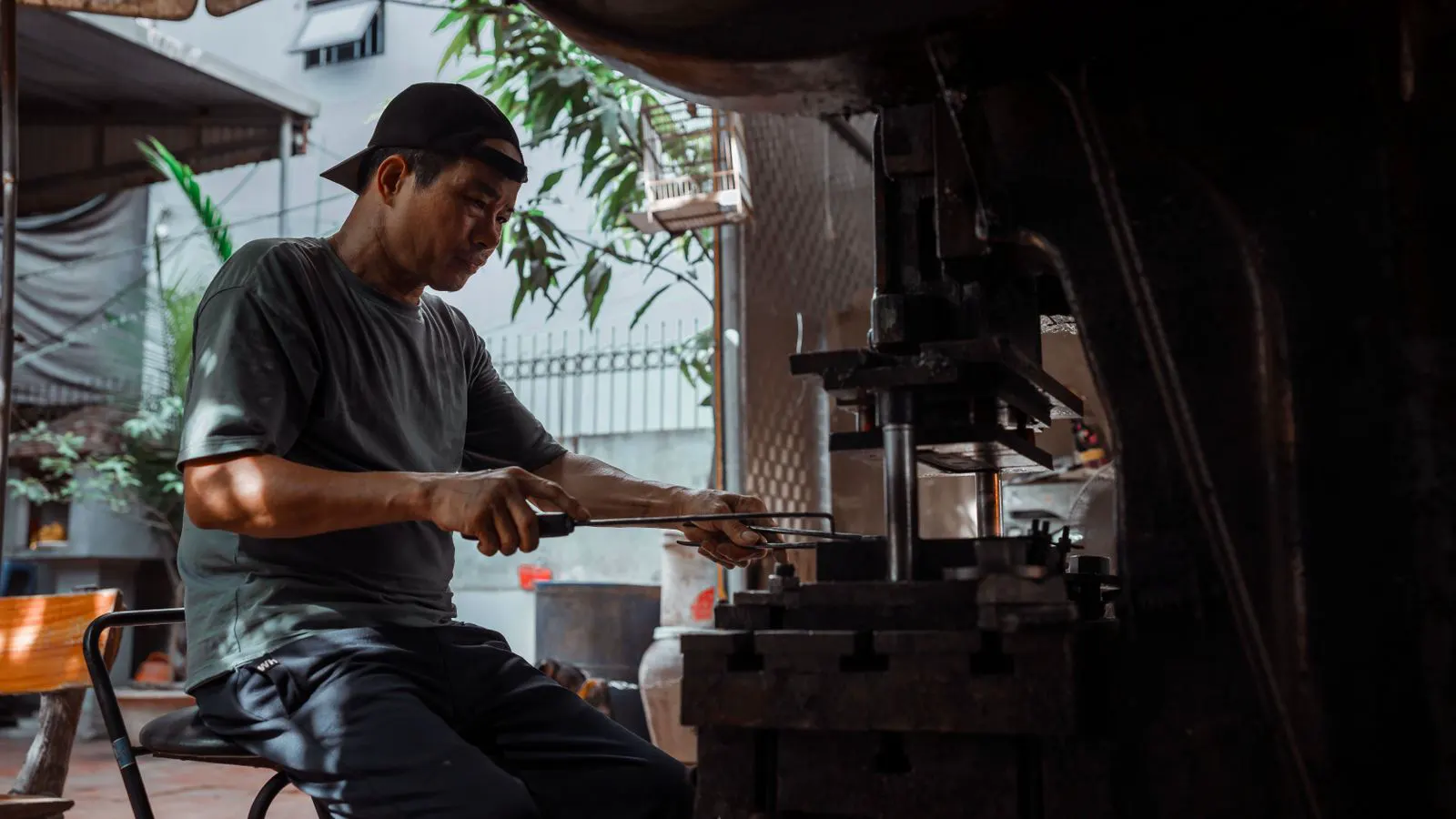
Grain flow forging aligns metal crystals with part shape, increasing strength. Closed die metallurgy controls metal flow during compression, creating dense grain
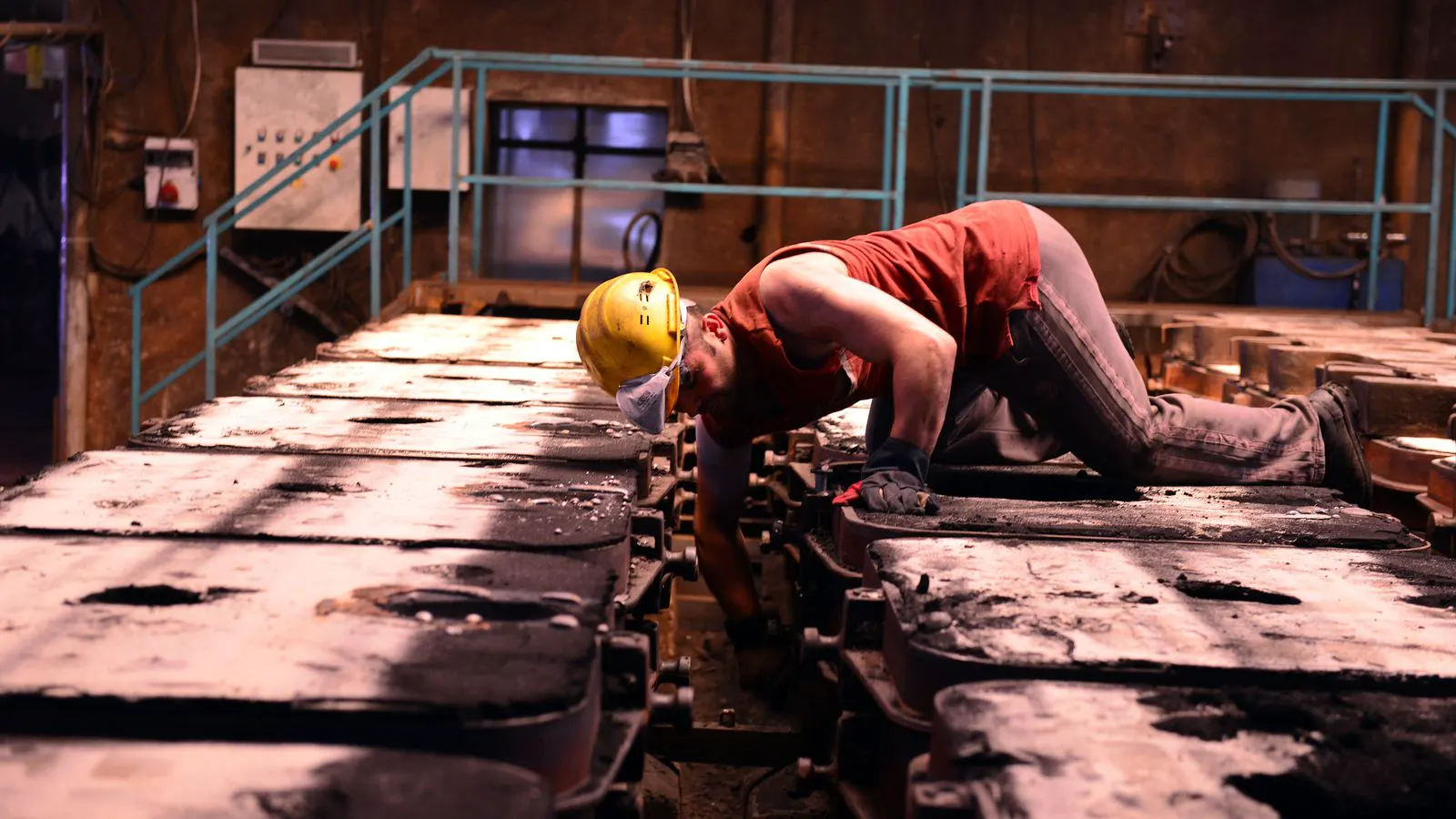
Choose forging tooling suppliers by verifying their experience with your material and tonnage, reviewing die design capabilities, and confirming maintenance support. A
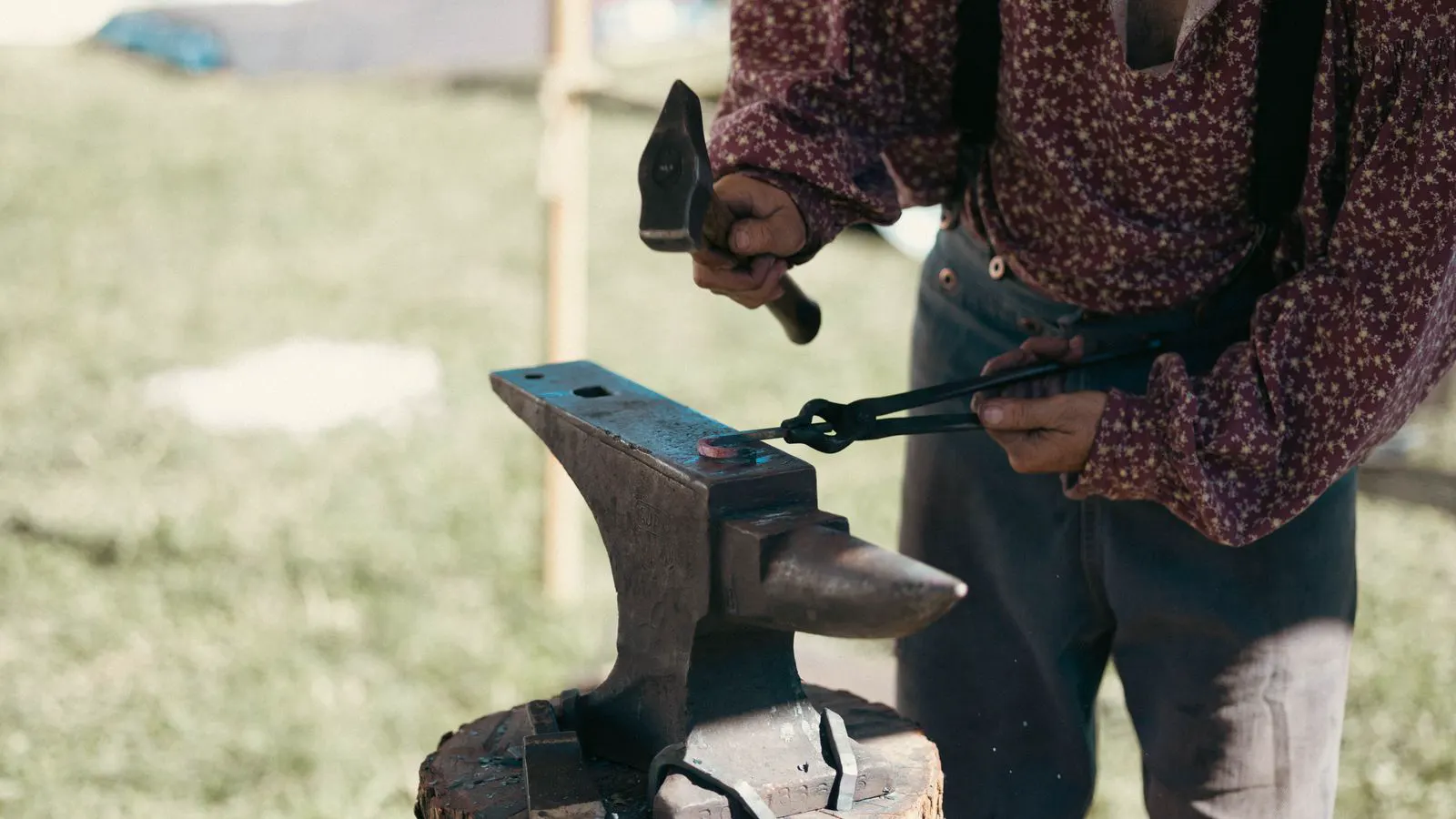
Open die forging shapes parts with a single anvil and hammer, while semi closed forging uses a bottom die plus a top die for tighter dimensions. Selecting the method
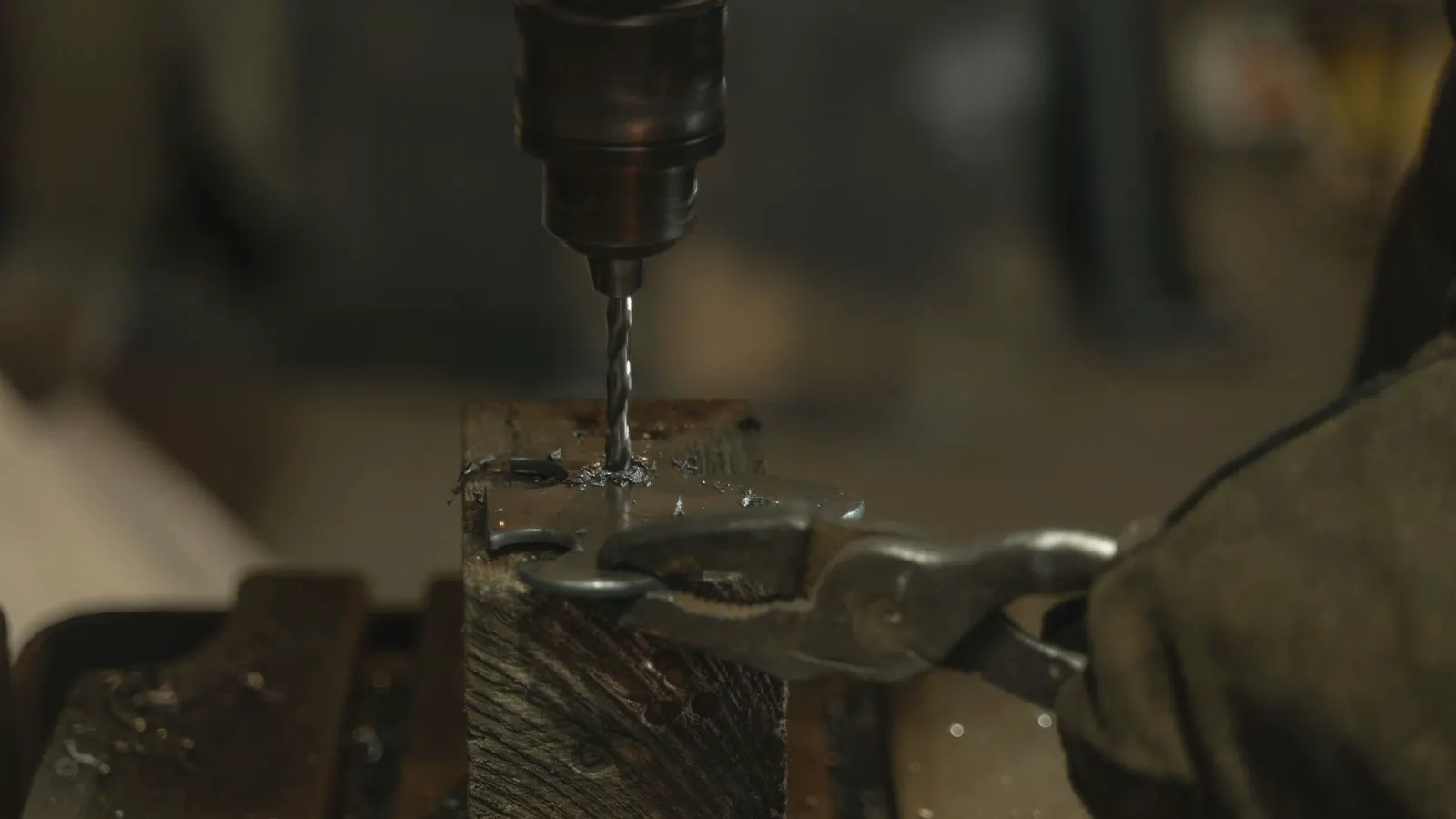
High-volume closed-die forging scrap usually traces to die wear, feed inconsistencies, or unstable heat. Reduce defects by stabilizing the hot metal, tightening die
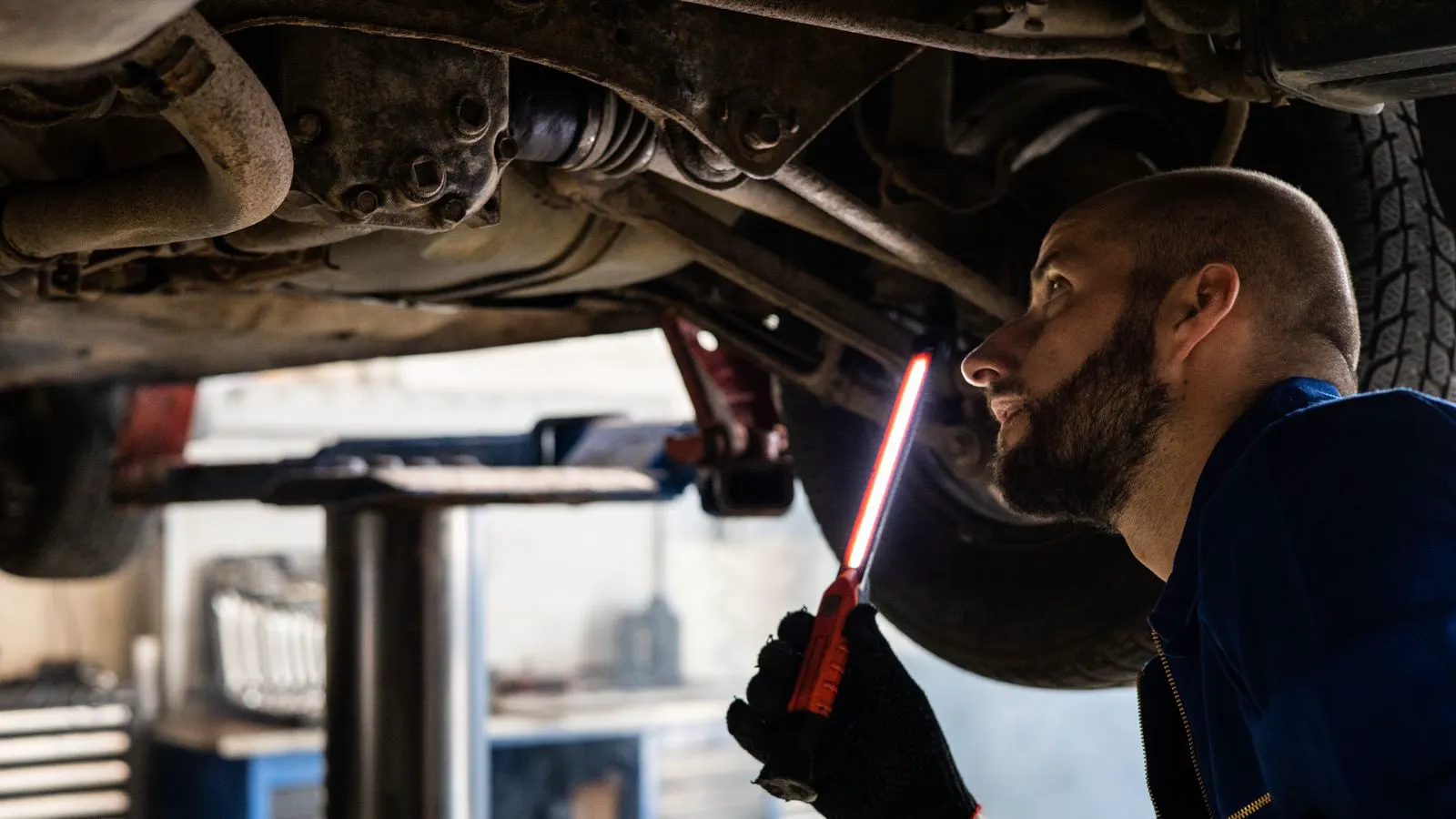
This checklist helps buyers verify that forging die maintenance supports consistent part quality. It covers die inspection, tooling wear, and records that prove a
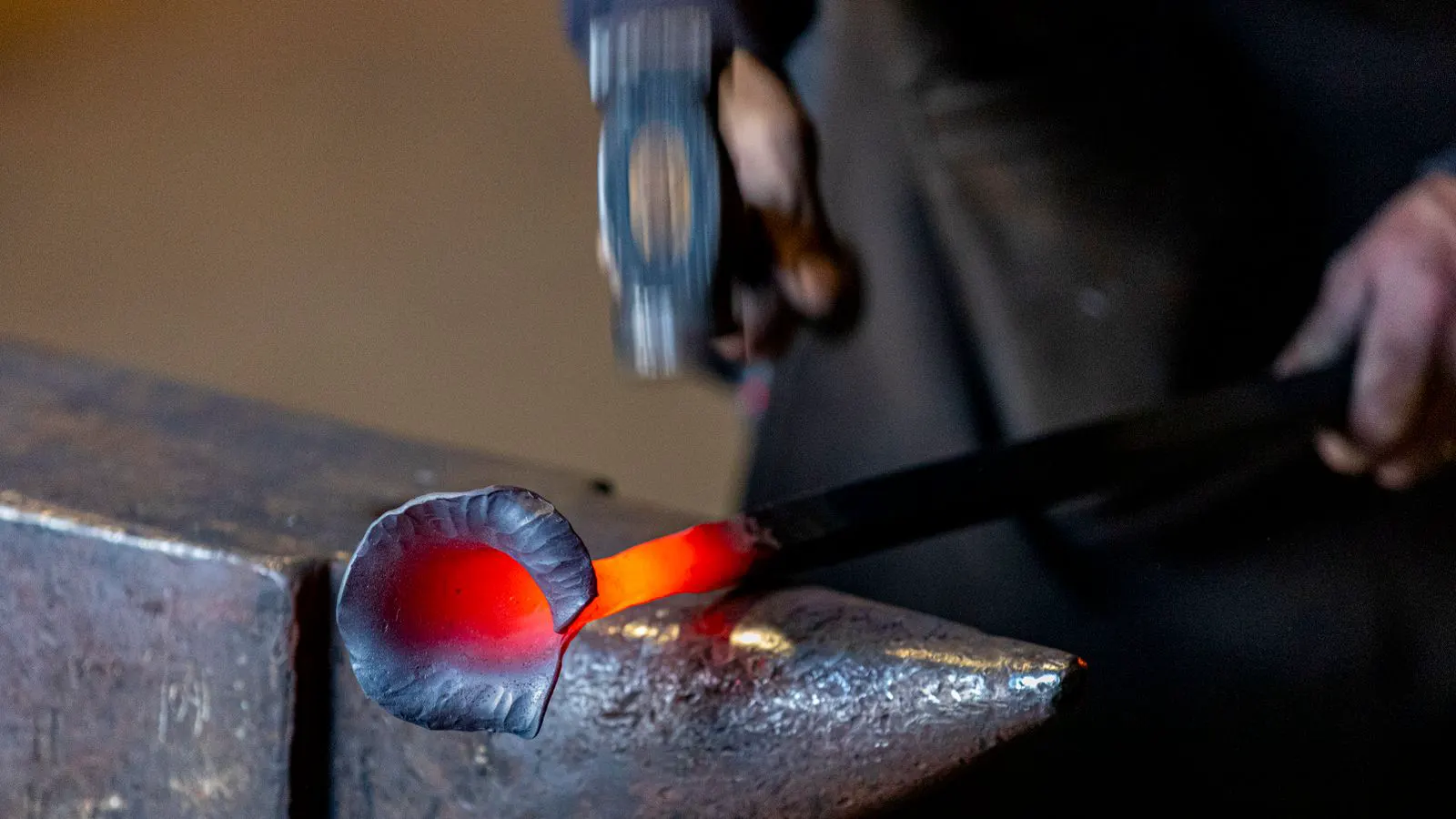
Selecting a forging supplier requires checking die capability, material handling, quality testing, and communication. This checklist helps buyers verify that a partner
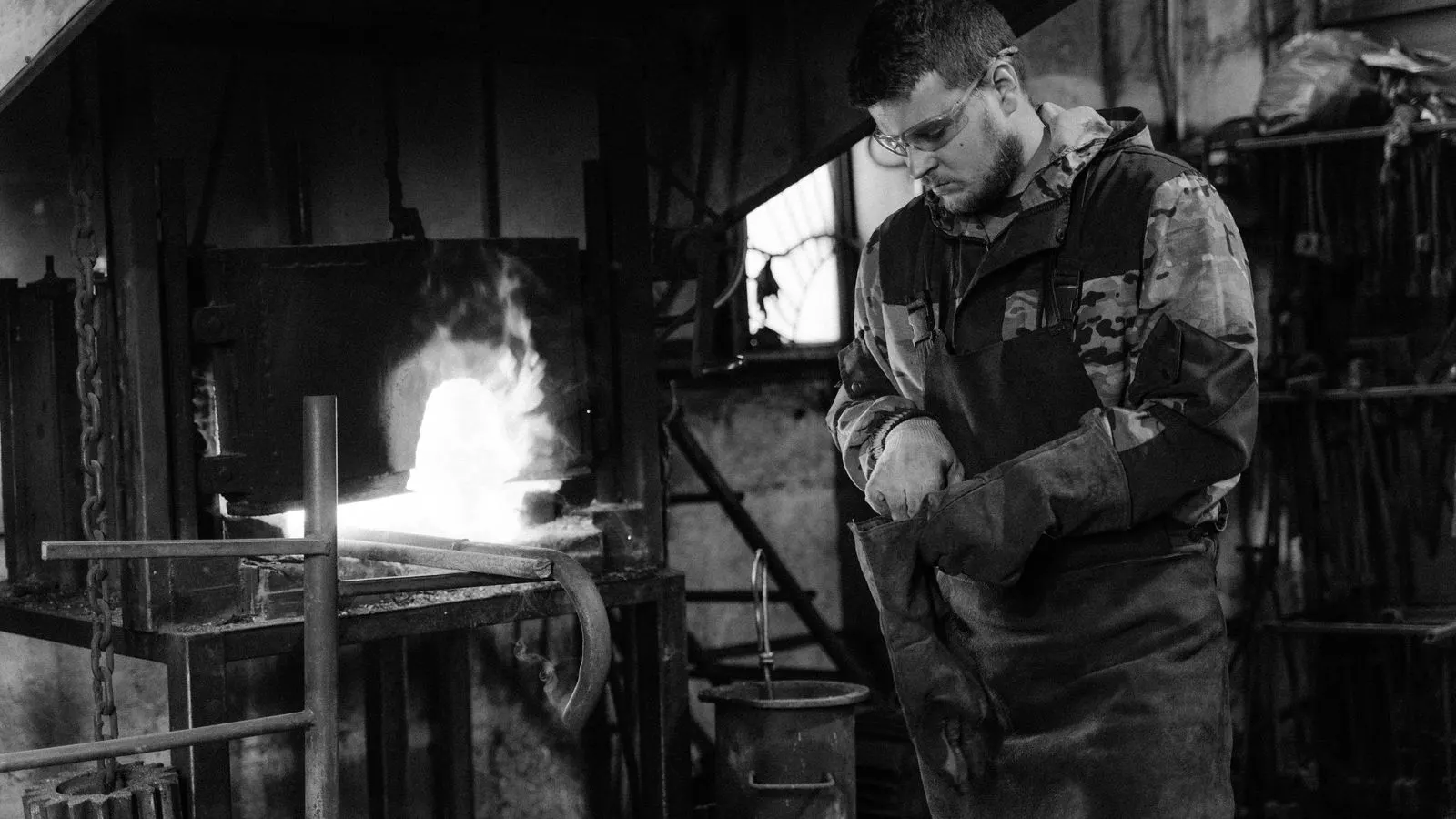
Emerging trends in forging processes are changing how metal shaping happens. This guide outlines five practical shifts buyers should plan for. It covers automation
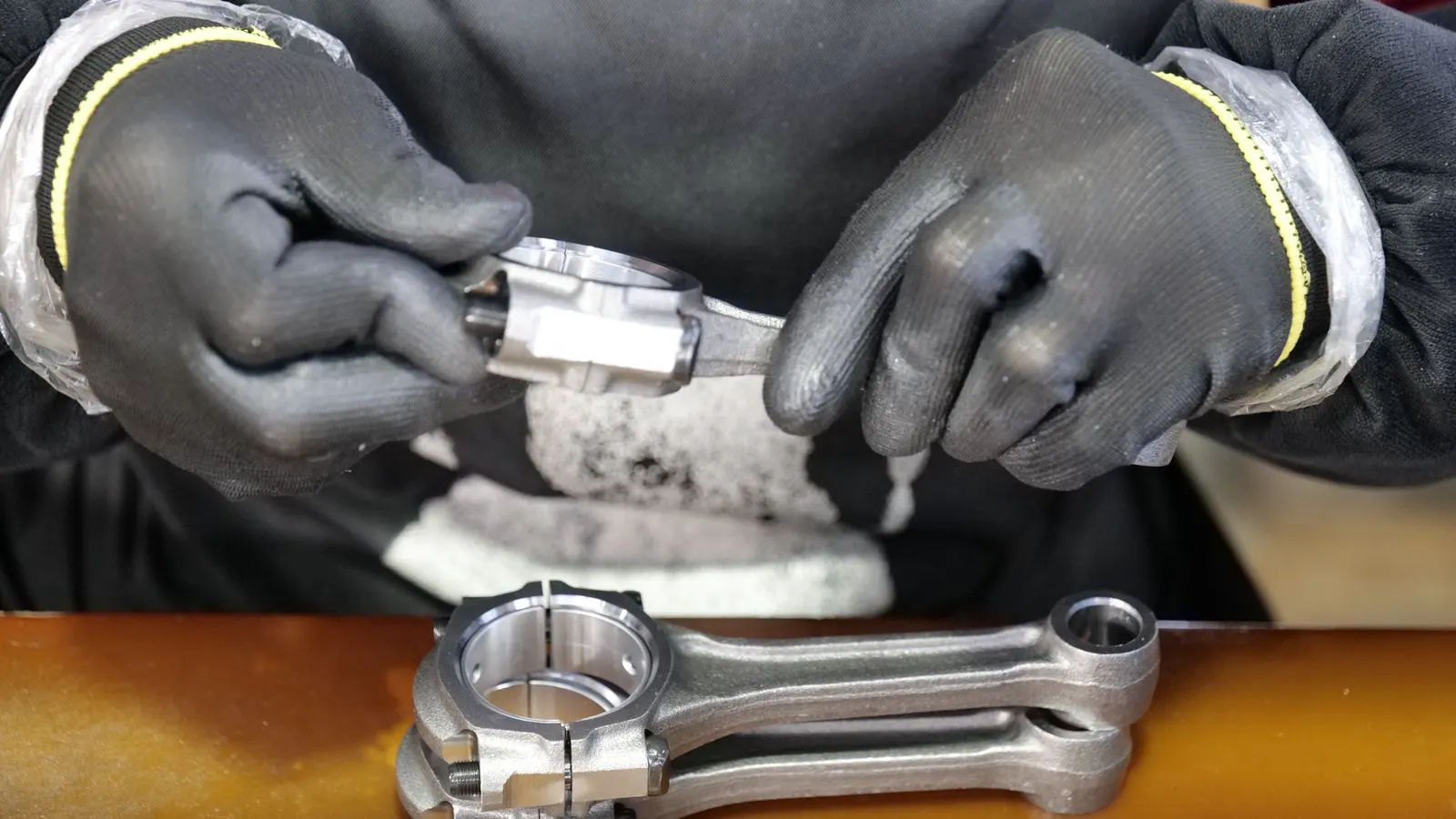
Open die forging cost depends on material, size, volume, and finish requirements. Lead time is shorter than closed die forging for prototyping but scales with volume. A