
Cost & Lead Time
Explaining Forging Lead Time: New vs Production
New forging parts take longer because die design, testing, and approval come before the first good part. Established parts move faster because the tooling already
Practical insights into factors that affect forging costs and lead times, helping buyers plan budgets and project schedules.
New forging parts take longer because die design, testing, and approval come before the first good part. Established parts move faster because the tooling already

Aluminum forging costs less than titanium due to cheaper raw material and faster forming. Titanium offers superior strength-to-weight ratio for extreme environments.

Selecting a forging subcontractor requires a structured review of capability, quality systems, and capacity. This guide outlines the specific criteria for vendor

A new die setup carries a high upfront tooling investment, while die repair cost builds over time. For small batches, repairs can be cheaper. For high volume, new
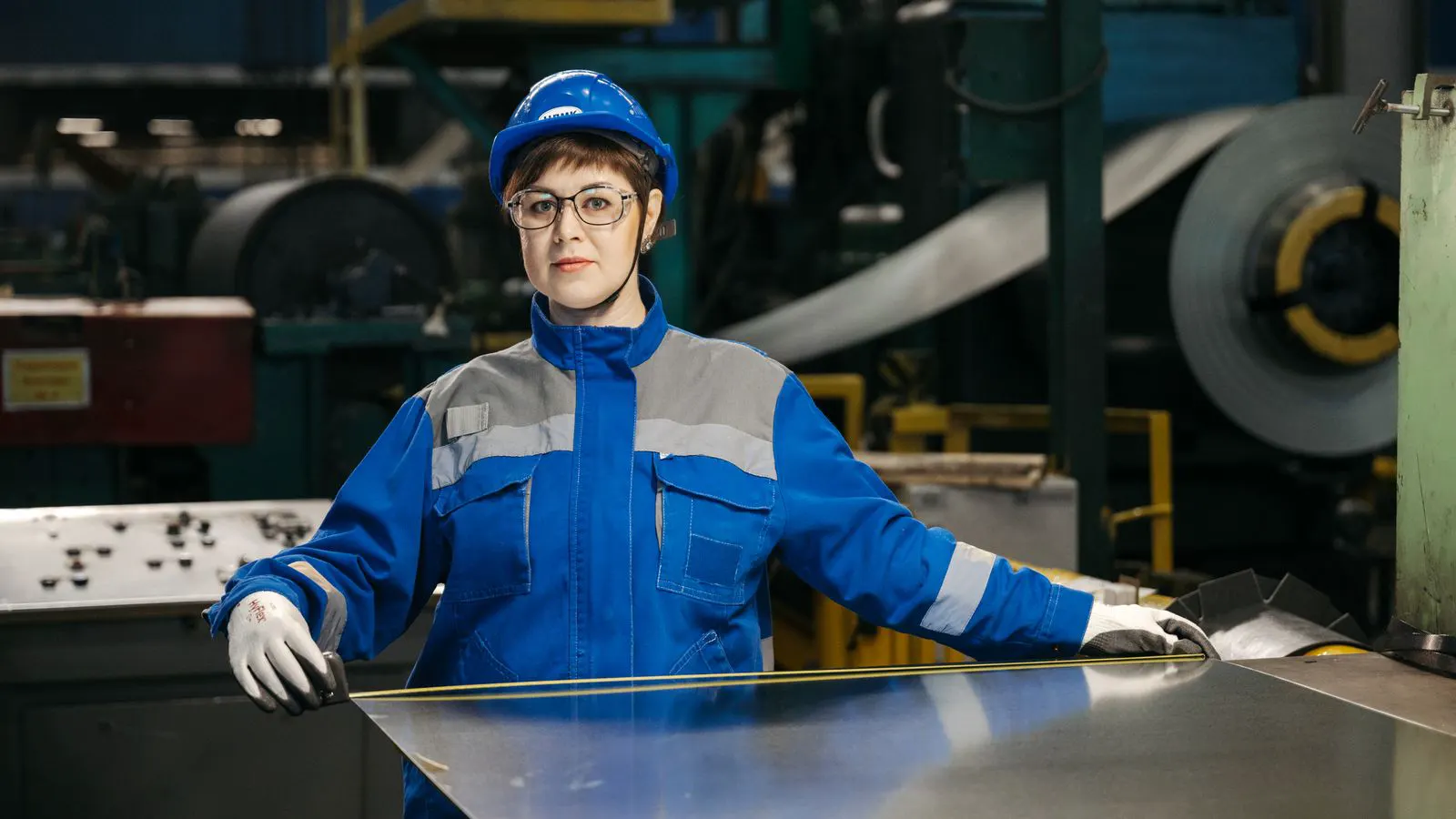
Effective forging vendor selection requires checking capacity, quality systems, material sourcing, and cost transparency. This guide outlines the criteria buyers need to
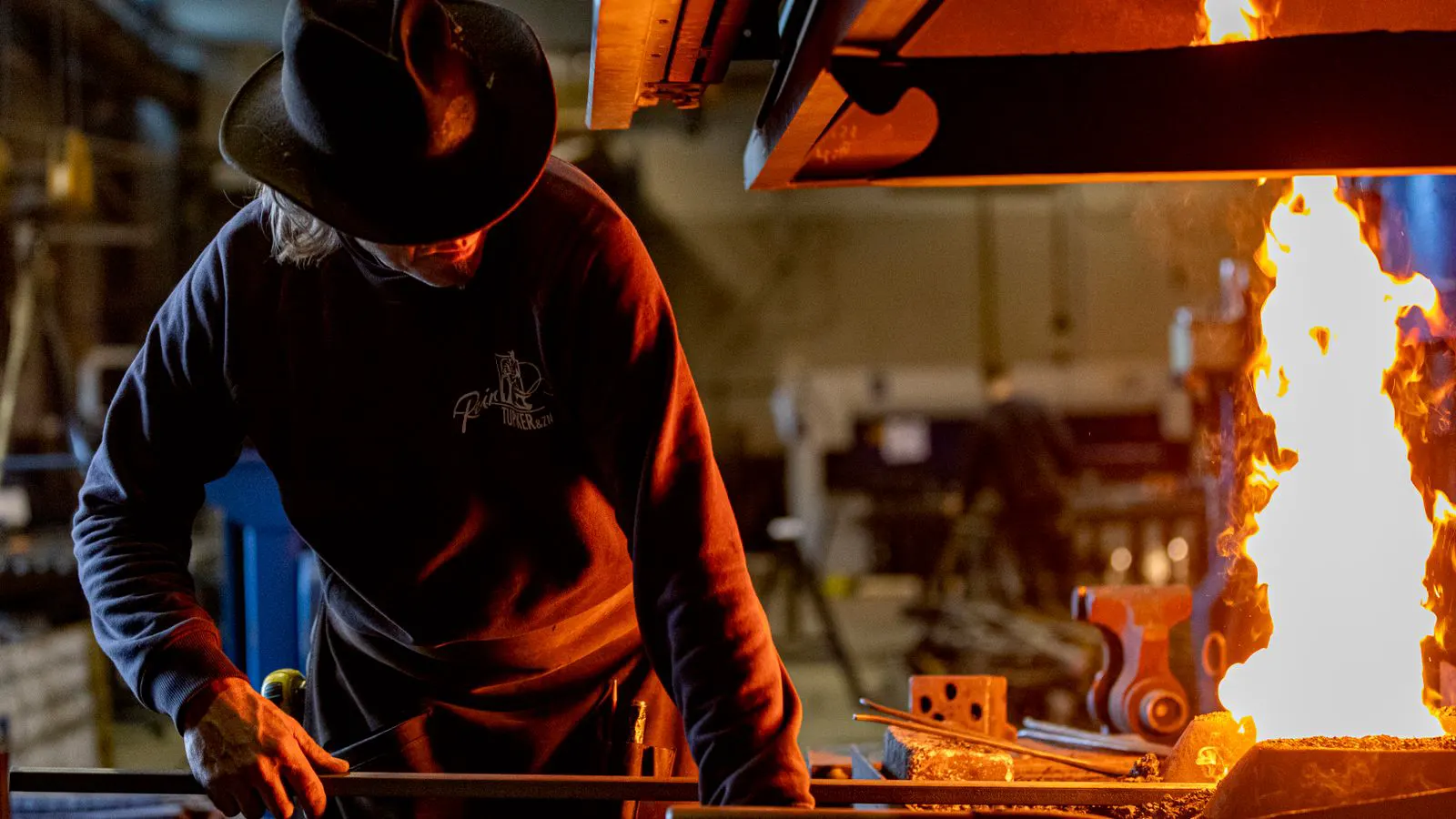
Industry leaders face shifting material access pressures. This outlook outlines five supply chain shifts for forged alloy components. It details practical steps for

To estimate forging costs for new parts, build a model based on material, die, quantity, and post-fabrication. First-time buyers should use a structured checklist to

This checklist helps buyers verify a forging production schedule and supplier capacity before committing to a purchase. It covers delivery timeline, material

Forging vs hot rolling depends on strength, shape, and volume. Forging offers higher strength and tighter tolerances but higher tooling costs. Hot rolling is cheaper for
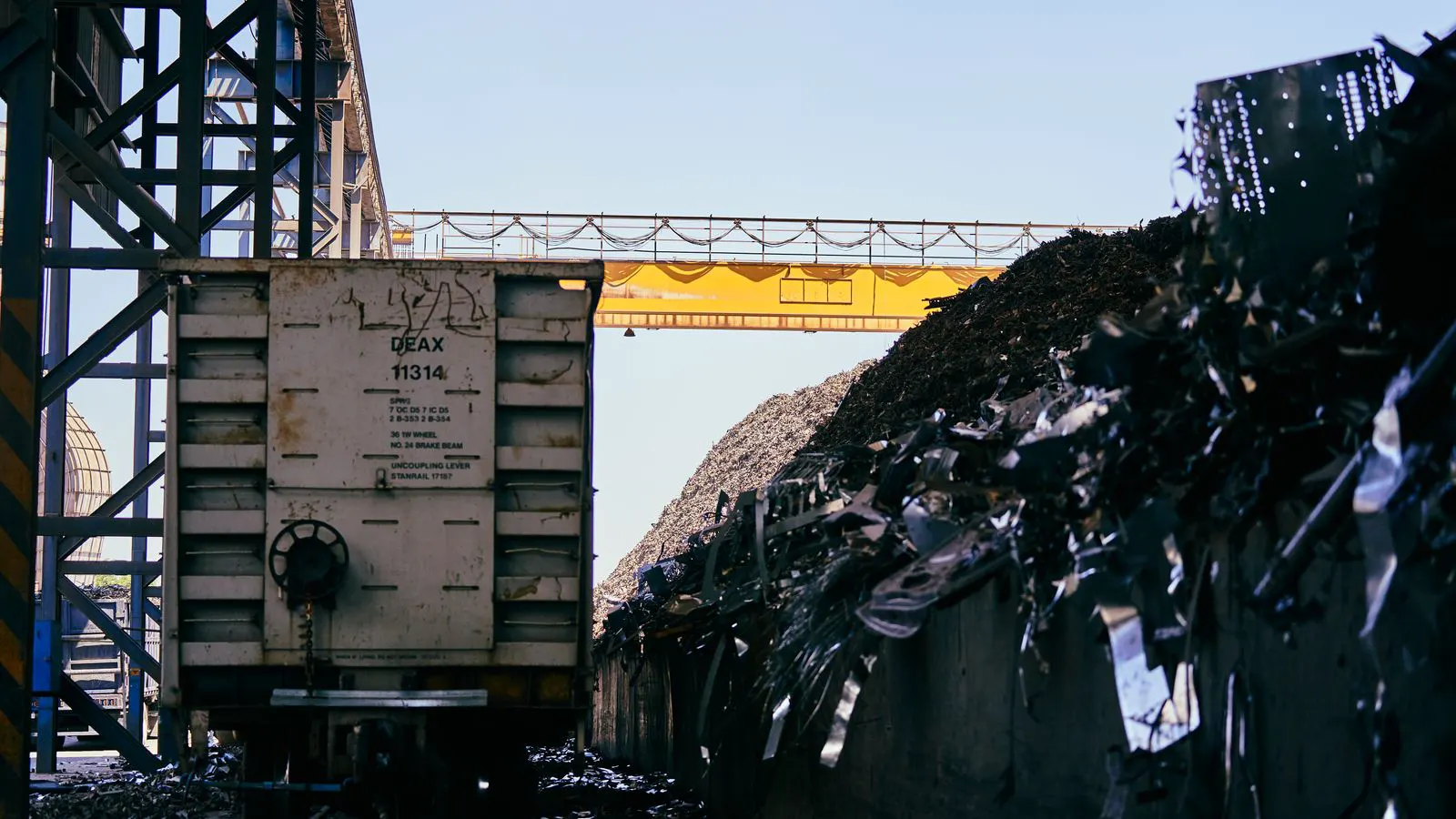
A high forging scrap rate usually points to die maintenance failures, lubrication gaps, or process drift. This article lists common symptoms on high-speed closed-die

Forging die cost factors include die steel, hardness, heat treatment, and part complexity. These variables determine tooling budgets and long-term maintenance needs for

Extended forging lead time often stems from upstream material delays, die preparation issues, or production scheduling conflicts. This guide lists common symptoms