Buyers Guide: Selecting a Forging Vendor for Long-Term Contracts
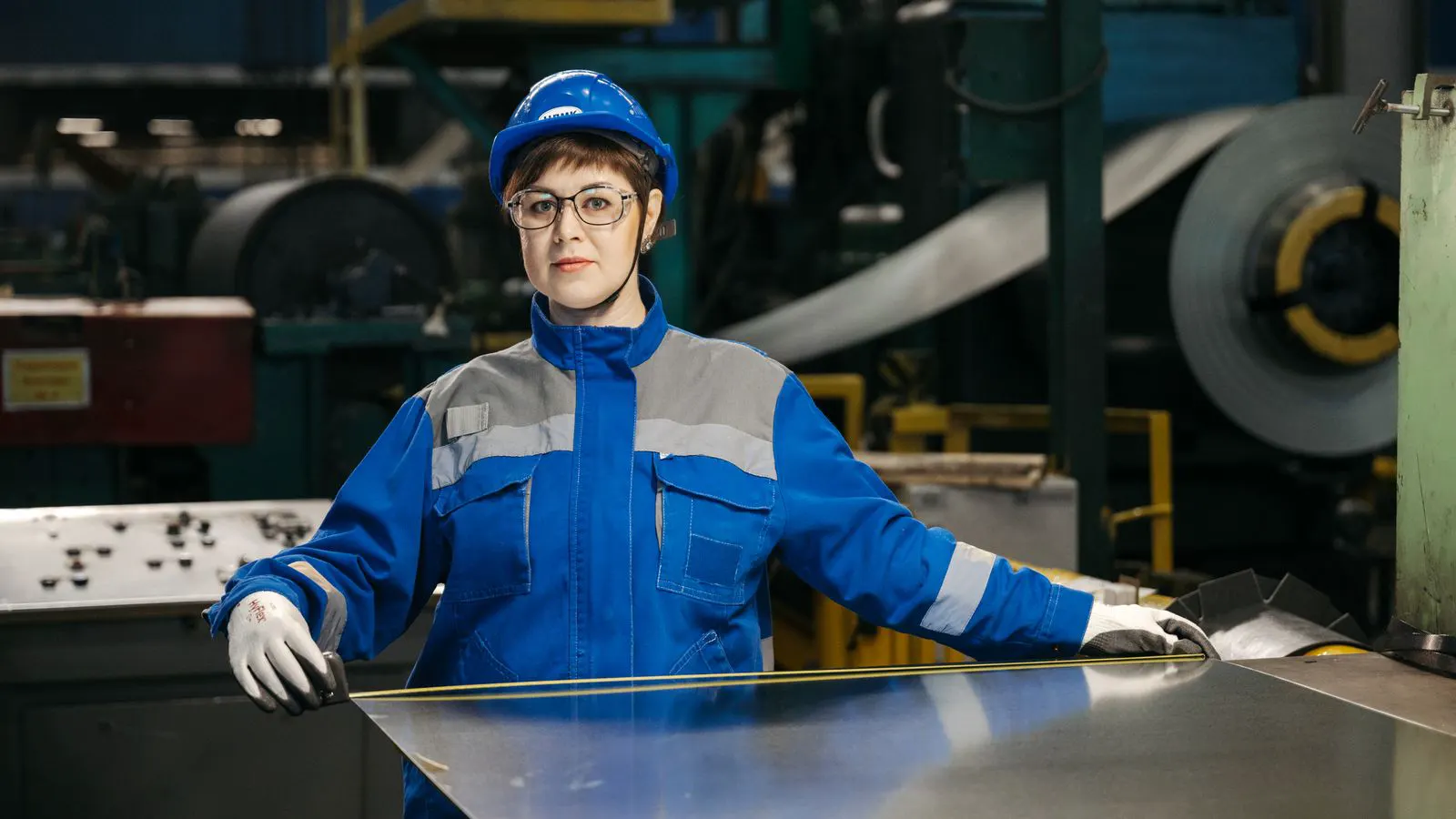
Effective forging vendor selection requires checking capacity, quality systems, material sourcing, and cost transparency. This guide outlines the criteria buyers need to assess before committing to multi-year supply agreements.
- Verify raw material sourcing and traceability before signing long-term supply contracts.
- Confirm actual forging capacity and backup production plans to avoid supply disruptions.
- Use clear quality requirements and inspection protocols in every vendor agreement.
- Negotiate cost stability and material index adjustments to manage multi-year pricing.
Why Long-Term Contracts Change Your Vendor Evaluation
Multi-year forging contracts require a different approach than one-off purchasing. A supplier who can deliver a small batch today may lack the capacity, tooling, or material access needed for sustained production. You need to evaluate the vendor as a partner, not just a seller.
The core risk in long-term sourcing is supply continuity. If a vendor runs out of capacity, changes their material source, or fails quality checks, your production line stops. This guide covers the criteria you should use to evaluate forging vendors for multi-year projects.
How to Assess Actual Forging Capacity
Capacity is the first thing to verify. A vendor can claim they can produce 10,000 units per month, but that number means little without context. You need to know what percentage of their capacity is already committed to other customers.
Ask for a current production schedule. Check what dies are in use, what materials they are running, and when those jobs end. If a vendor is at 90 percent capacity on existing contracts, adding your part means they must expand. Expansion requires time, money, and new tooling.
Consider the die life. If a forging die wears out after a certain number of hits, the vendor must replace it or recondition it. For long-term contracts, you need to know how often the die will need maintenance and whether that downtime is built into their delivery schedule.
A practical check is to request a capacity plan that shows:
- Current committed capacity for the next 12 months.
- Available capacity for new parts.
- Lead time for tooling or die upgrades if needed.
- Contingency plans if a production line goes offline.
What Quality Systems and Traceability Require
Long-term contracts demand consistent quality. A single bad batch can stop your assembly line and damage your reputation. You need a vendor with a documented quality system that covers every step from raw material to final inspection.
Ask for their quality management certification. ISO 9001 is common, but it is a baseline, not a guarantee. You need to see how they handle nonconforming material, how they trace each lot back to the raw material mill, and what they do when a defect is found.
Material traceability is critical. For alloy steels, titanium, or other high-performance materials, you need to know exactly where each ingot or bar came from. Ask for mill test reports that match the heat lot numbers on the finished forgings. If a vendor cannot provide these documents, walk away.
Inspection points should be defined in the contract. Specify whether the vendor performs dimensional checks, hardness tests, or non-destructive testing. Clarify who pays for third-party inspection if you require independent verification.
How Material Sourcing Affects Long-Term Cost and Supply
Raw material availability directly impacts your long-term contract. A vendor who sources from a single mill or region is more vulnerable to supply shocks than one with multiple suppliers.
Ask about their material sourcing strategy. Do they buy from several mills? Do they hold safety stock? Do they have approved alternative suppliers if the primary source fails? For alloy steels, titanium, and nickel alloys, material lead times can be long. A vendor without a reliable supply chain will struggle to keep your schedule.
Material costs also fluctuate. You need a pricing structure that reflects this reality. Fixed pricing over several years is rarely sustainable. Most vendors use a material index adjustment mechanism that ties part prices to raw material market values. Understand how the index is calculated, how often prices are reviewed, and what the adjustment limits are.
A vendor who cannot explain their material sourcing and pricing model is not ready for a long-term partnership.
What to Look for in Cost Structure and Payment Terms
Cost transparency matters more in long-term contracts than in spot purchases. You need to see how the vendor breaks down the price. A typical forging cost includes material, die amortization, labor, energy, overhead, and profit.
Ask for a cost breakdown for your part. If the vendor refuses, that is a red flag. You need to understand where the money goes so you can negotiate effectively. For example, if material costs are 60 percent of the total, a rise in steel prices will directly increase your part cost.
Payment terms should be clear. Net 30 or Net 60 is standard, but some vendors require deposits or milestone payments for long-term contracts. Negotiate these terms carefully. A large upfront deposit ties up your cash and increases your risk if the vendor fails to deliver.
Consider total cost of ownership, not just unit price. A cheaper vendor who has longer lead times, higher defect rates, or poor communication can cost more in the long run. Factor in quality rejection costs, expediting fees, and the time your engineering team spends managing the relationship.
How to Structure the Contract for Long-Term Success
The contract is your protection. It should cover more than price and quantity. It needs to define quality requirements, inspection procedures, delivery schedules, and penalty clauses for late or defective parts.
Specify the quality standards in detail. Reference the applicable standards for your material and part. Include acceptance criteria, sampling plans, and rejection procedures. If a batch fails inspection, the contract should state whether the vendor replaces it, discounts it, or covers your production losses.
Delivery terms should be clear. Define the shipping method, packaging requirements, and documentation needed with each shipment. For forged parts, proper packaging prevents surface damage and corrosion during transit.
Include a termination clause. Long-term contracts should not lock you in forever. Define the conditions under which either party can exit the agreement. This protects you if the vendor underperforms and protects them if your volume drops.
A solid contract framework:
| Criterion | What to look for | Why it matters |
|---|---|---|
| Capacity commitment | Written confirmation of available capacity | Prevents supply gaps during peak demand |
| Quality requirements | Detailed inspection and acceptance criteria | Ensures consistent part quality over years |
| Material traceability | Mill test reports and heat lot tracking | Enables quick recall if material defects are found |
| Pricing mechanism | Material index adjustment and review schedule | Protects both parties from raw material volatility |
| Delivery penalties | Clear consequences for late or defective shipments | Creates accountability and reduces risk |
| Termination terms | Conditions for early exit or renewal | Allows flexibility if performance fails |
How to Run a Pilot Before Committing
Never sign a multi-year contract without a trial. A pilot run exposes problems that are invisible during qualification. It tests the vendor’s ability to meet your specifications under real production conditions.
Run a pilot batch that matches your production volume. If you plan to buy 10,000 units per month, ask for a batch of that size. This tests whether the vendor can maintain quality and speed at scale.
Evaluate the pilot on three fronts. First, check part quality. Do the dimensions, hardness, and surface finish meet your requirements? Second, evaluate delivery. Did the vendor meet the deadline? Did they communicate any issues early? Third, review documentation. Are the mill reports, inspection records, and certificates complete and accurate?
Use the pilot data to negotiate the final contract. If the pilot reveals a defect rate of two percent, negotiate a price reduction or a stricter penalty clause. If delivery was late, require a later cutoff date or a penalty for future delays.
Final Decision Checklist
Before signing a long-term forging contract, run through this checklist:
- Capacity: Confirmed available capacity for the contract period, including die life and maintenance.
- Quality: Documented quality system with clear inspection points and traceability.
- Material: Reliable sourcing strategy with multiple suppliers and mill test reports.
- Cost: Transparent pricing with a defined material index adjustment mechanism.
- Contract: Clear quality, delivery, penalty, and termination terms.
- Pilot: Successful trial run at production volume with no unresolved issues.
- Communication: A named account manager and clear escalation path for problems.
If any item is missing, do not sign. A long-term contract is a multi-year commitment. The risk of choosing the wrong vendor is too high to take shortcuts. Take the extra time to evaluate carefully. The right partner will make your supply chain stronger, not weaker.
Frequently asked questions
How do I know if a forging vendor has enough capacity for a long-term contract?
Request a current production schedule and ask what percentage of capacity is already committed. Verify die life, maintenance plans, and contingency options for production downtime.
What quality documents should I require from a forging supplier?
Ask for mill test reports matching heat lot numbers, dimensional inspection records, hardness test results, and certification of conformance for each shipment.
Should I use a fixed price or an index-based price in a long-term forging contract?
Index-based pricing is standard because raw material costs fluctuate. Define how the index is calculated, how often prices are reviewed, and what the adjustment limits are.
How long should a pilot run be before signing a multi-year contract?
Match the pilot batch to your expected production volume. This tests whether the vendor can maintain quality and speed at scale, not just in a small sample.
What is the biggest mistake buyers make when selecting a forging vendor?
Focusing only on unit price instead of total cost. A cheaper vendor with poor quality, long lead times, or weak communication will cost more over time.


