Cost of Forging: New Die Setup vs Repair
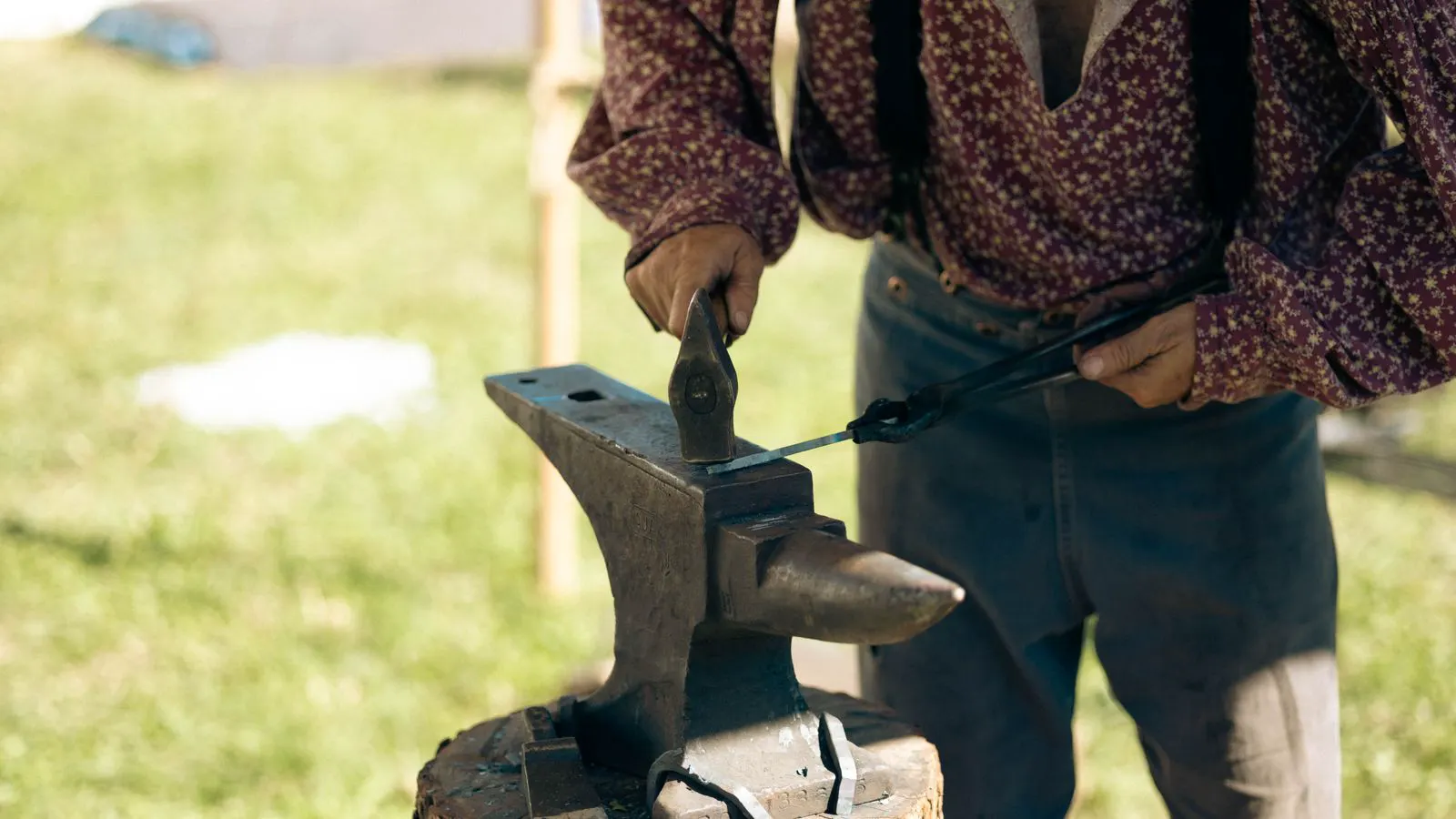
A new die setup carries a high upfront tooling investment, while die repair cost builds over time. For small batches, repairs can be cheaper. For high volume, new tooling usually wins. Use this comparison to budget accurately for forging projects.
- New die setup costs are a one-time tooling investment, while die repair cost is an ongoing expense.
- High production volumes make new dies cheaper per part than repeated repairs.
- A clear RFQ with part dimensions and material specs helps vendors quote setup fees accurately.
- Compare quotes by separating die cost from labor, material, and shipping.
- Plan for die life based on part complexity and material, not just production count.
Why the Tooling Decision Drives Project Cost
The first question in any forging budget is whether to build new tooling or service existing dies. This decision shifts cost from the capital side to the operating side. A new die setup cost is a single line item. A die repair cost appears across many purchase orders, often with variable lead times.
For a first-time part, the choice is simple. You buy new tooling. The real complexity appears later. When a part has already been in production, the engineering and purchasing teams must compare the price of a new die against the accumulated cost of patching the old one.
The difference is not always obvious. A repair might cost a fraction of a new setup. But it might also take twice as long. And it might not fix the root cause of the defect.
What Drives the Upfront Die Setup Cost
A forging die setup cost is not just the price of the steel block. It covers several distinct activities. The die itself is a major component, but so is the design work, the heat treatment, and the trial runs.
The material of the die matters. High-carbon tool steel and powder metallurgy are common options. The choice depends on the forging load and the expected life. Harder steels resist wear but are more expensive to machine.
The complexity of the part shape drives machining hours. A simple block or rod shape requires less setup time than a complex automotive bracket. More features mean more machining, more inspection, and more potential for setup errors.
The following table breaks down the main cost drivers.
| Cost Driver | Description |
|---|---|
| Die Material | The steel grade and quantity used for the die body |
| Machining Hours | Time spent cutting cavities, radii, and parting lines |
| Heat Treatment | Hardening and tempering to ensure hardness and toughness |
| Trial Run | The cost of the first few forged parts to validate the die |
| Engineering Design | CAD modeling, FEA simulation, and process planning |
Each driver scales differently. A part with a simple geometry might have low machining hours but high engineering costs if the material is difficult to forge. A large part might have high material and heat treatment costs but simple features.
How Die Repair Cost Accumulates Over Time
Die repair cost is rarely a single event. It happens in stages. The first repair might be minor. The second might require a full re-machining of one side.
Small chips on the die face are common. They can be polished out or filled. But if the chip is large, the die might need to be re-machined. This reduces the die life because you are removing material from the working surface.
There is also the cost of the downtime. A die that needs repair is out of production. If the part is a bottleneck, the cost of lost production can exceed the cost of the repair itself.
Repair frequency depends on the part. Thin-walled sections wear faster than thick ones. Sharp corners concentrate stress. A part with a long production history will have a higher repair cost than a new die with the same design.
The key factor is whether the repair is temporary or permanent. A temporary patch allows production to continue. A permanent fix might require a new die.
Comparing Setup and Repair on a Per-Part Basis
To compare the two options fairly, you must look at the total cost per part. This is not just the tooling price. It includes the labor, material, and overhead of the forging operation.
A new die setup is a fixed cost. It is spread over the expected production volume. A die repair is a variable cost. It depends on how often the die wears and how much labor is needed to fix it.
For low volume, the repair option often looks cheaper. If you only need a few hundred parts, paying for a new die might not make sense. The setup fee alone could exceed the value of the parts.
For high volume, the math flips. The cost of repeated repairs and potential downtime adds up. A new die, even with a high initial tooling investment, can reduce the cost per part over a longer production run.
The break-even point depends on the part design and the material. A simple part in mild steel might have a low setup cost and a long die life. A complex part in a high-strength alloy might have a high setup cost and a short die life.
You should model both scenarios. Use the expected production volume and the cost of repair. If the repair cost per part is higher than the amortized cost of the new die, the new tooling is the better choice.
How to Write a Clear RFQ for Accurate Quotes
Vendors cannot compare apples to apples if your RFQ is vague. A clear document helps them quote the forging die setup cost accurately.
Start with the part drawing. Include all dimensions, tolerances, and surface finish requirements. Specify the material grade. If the material is an alloy, state the heat treatment condition.
State the expected production volume. This is critical. A vendor will quote a setup fee differently for 1,000 parts than for 100,000. The volume determines whether the die material and heat treatment are justified.
Specify the die life expectation. If you need the die to last for a long period, you may need a more expensive material and heat treatment. If the volume is low, a simpler die might suffice.
Include the production schedule. Lead time is a major factor. If you need the parts in six weeks, the vendor may charge more for expedited tooling. If you can wait three months, the price may be lower.
A clear RFQ also helps you compare quotes from different vendors. When everyone is quoting the same scope, the differences in price become meaningful.
How to Compare Vendor Quotes Fairly
Do not just look at the total number. Break the quote into components. Separate the die cost from the forging cost. Separate the setup from the ongoing production.
Ask for the die material and heat treatment. If one vendor uses a cheaper steel, the price might be lower, but the die life might be shorter. This affects the long-term cost.
Ask about the trial run. How many parts are included in the setup fee? If the first ten parts are scrap, that cost is included. If they are good, the first production run is cheaper.
Look at the lead time. A cheaper quote with a long lead time might be more expensive than a slightly higher quote with a short lead time. Factor in the cost of inventory and production delays.
Check the maintenance terms. Some vendors offer a maintenance contract. Others require you to pay for every repair. This changes the operating cost significantly.
If possible, ask for a die life estimate. This is based on the part design and the material. It is not a guarantee, but it helps you plan the budget.
Final Budget Considerations
The choice between a new die setup and a repair is a budget decision. It requires looking at the full picture.
Consider the strategic value of the part. If it is a core product, the long-term stability of a new die might be worth the higher upfront cost. If it is a prototype, a repair or a low-cost setup might be the right choice.
Consider the supply chain. If your current die vendor has a long lead time, a new die from a different vendor might be faster. This can reduce the total project cost by avoiding downtime.
Consider the quality. A new die is usually more consistent than a repaired one. This can reduce scrap rates and improve yield.
The goal is not to find the cheapest option. The goal is to find the option that fits your production plan and budget. A clear comparison, based on the cost drivers above, will help you make that decision with confidence.
Frequently asked questions
Is a forging die setup cost always higher than a repair?
Not always. For low volume, a repair can be cheaper. For high volume, the new setup often becomes the cheaper option per part over time.
What is the most common reason for a high die repair cost?
Poor part design. Sharp corners and thin walls concentrate stress and cause rapid wear. A good design can reduce the need for frequent repairs.
How long does a new die take to produce?
It depends on the complexity and the vendor's schedule. Simple dies can be faster. Complex dies with tight tolerances take longer.
Can I compare a vendor's die cost with a repair estimate?
Yes, but be careful. A repair estimate is for one event. A die cost is a one-time investment. You must compare the total cost over the expected production life.
What information do I need to get an accurate forging die setup cost quote?
Part drawing, material grade, expected volume, surface finish, and production schedule. The more detail you provide, the more accurate the quote will be.


