Heat Treatment
Oil Quenching vs Water Quenching for Forgings
Quenching media selection determines cooling rate and distortion. Water cools fast but risks cracking. Oil cools slower and is more forgiving. The right choice depends
Clear explanations of heat treatment processes for forged parts, including annealing, quenching, tempering, and case hardening.
Quenching media selection determines cooling rate and distortion. Water cools fast but risks cracking. Oil cools slower and is more forgiving. The right choice depends
Heat treatment cost depends on material, part size, quantity, and required specifications. Lead time extends for complex cycles, small batches, and long-lead materials.
To specify quench and temper cycles in an RFQ, define the material grade, quench medium, agitation method, soak times, and tempering temperatures. Include cooling rates
Warpage in forged flanges usually stems from uneven cooling, residual stress, or improper heat treat sequencing. This guide covers how to identify the symptom, trace the
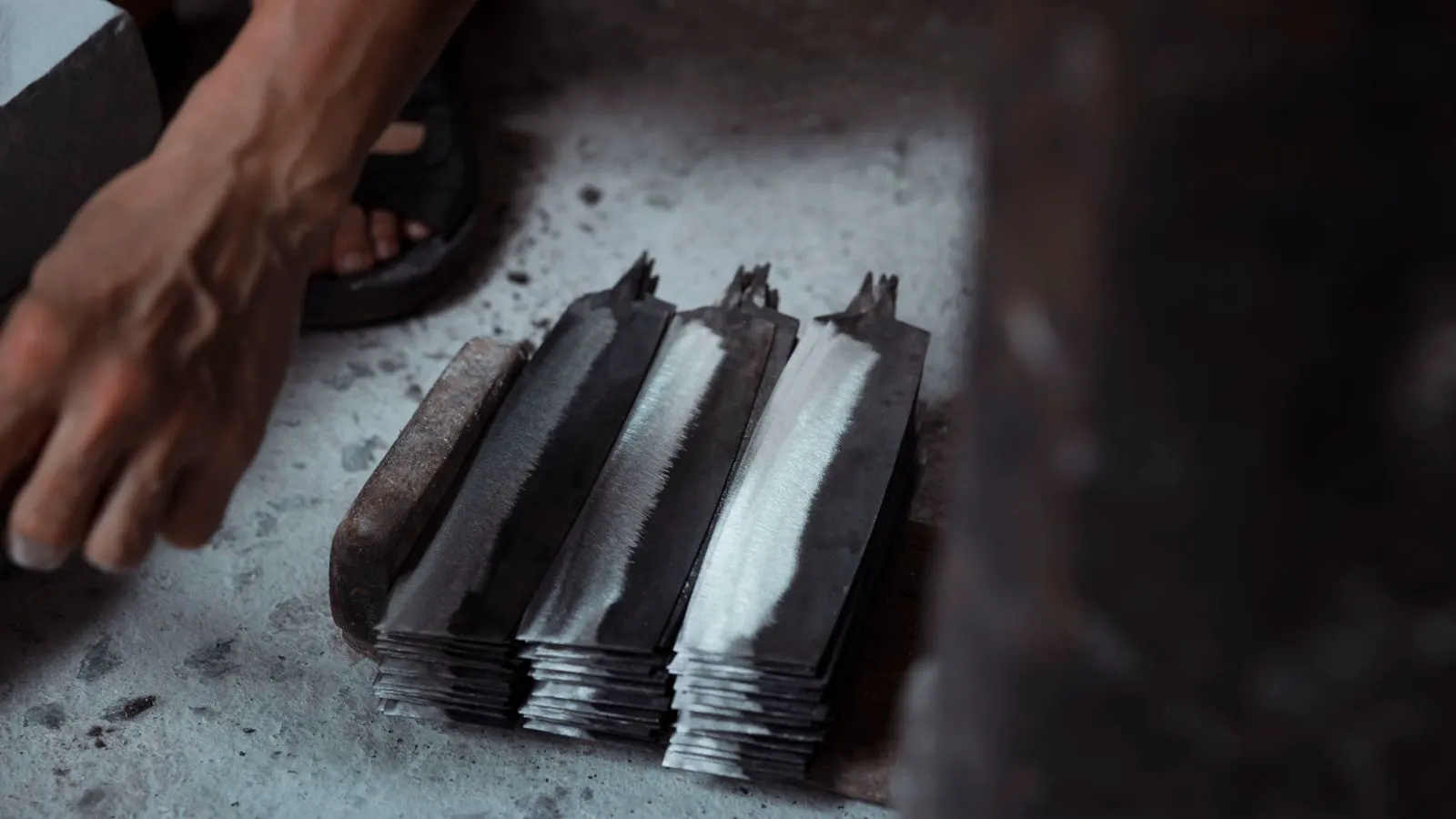
Normalizing and annealing both refine forged steel grain structure, but they differ in cooling speed and final hardness. Normalizing cools in air and retains higher
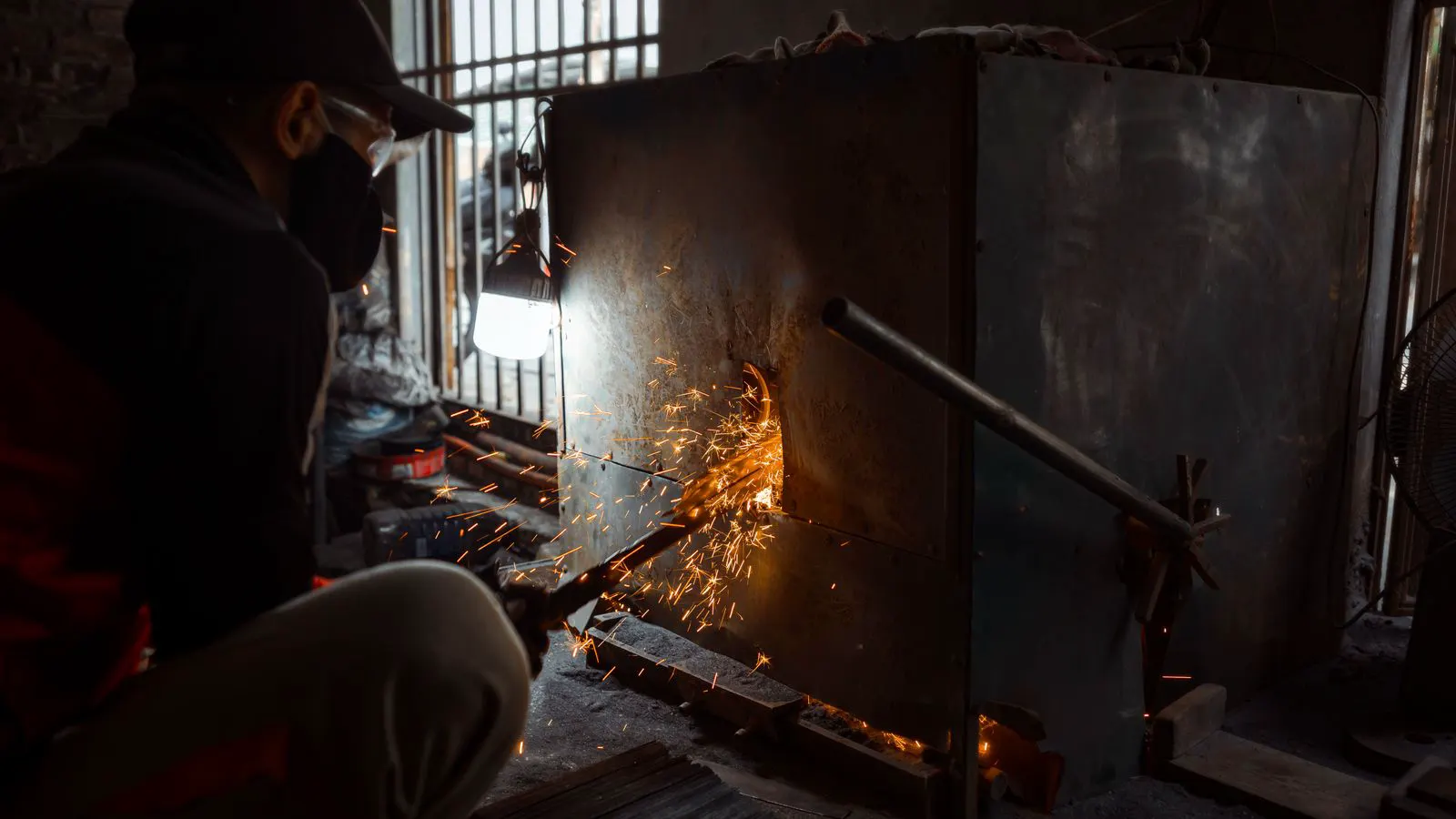
Oil quenching offers a slower cooling rate, reducing the risk of warpage and cracking in thick alloy steel sections. Water quenching provides a faster rate, ideal for
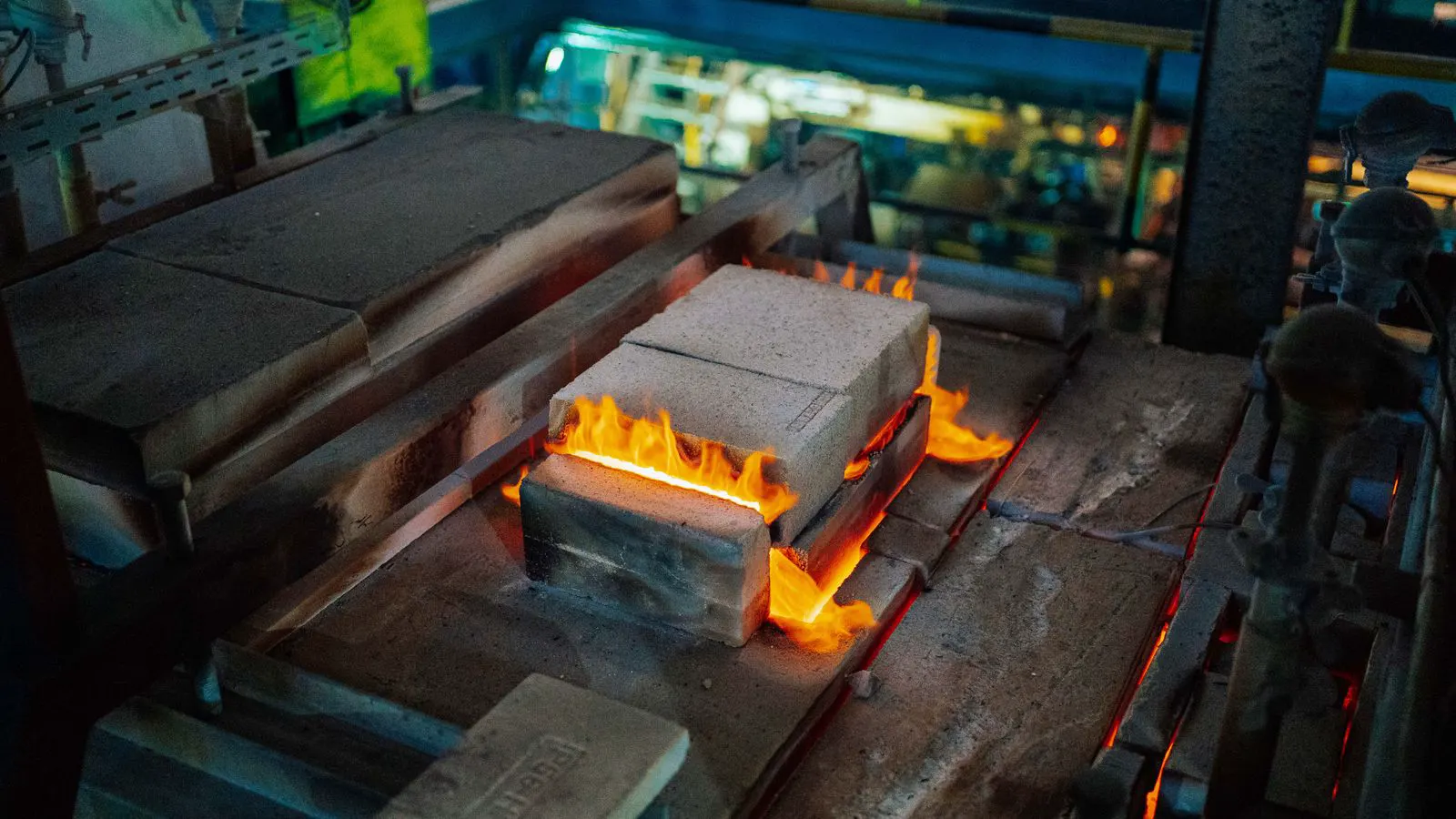
To specify heat treatment in an RFP, define material, hardness, media, and inspection requirements. Clear language on quenching and tempering prevents defects and
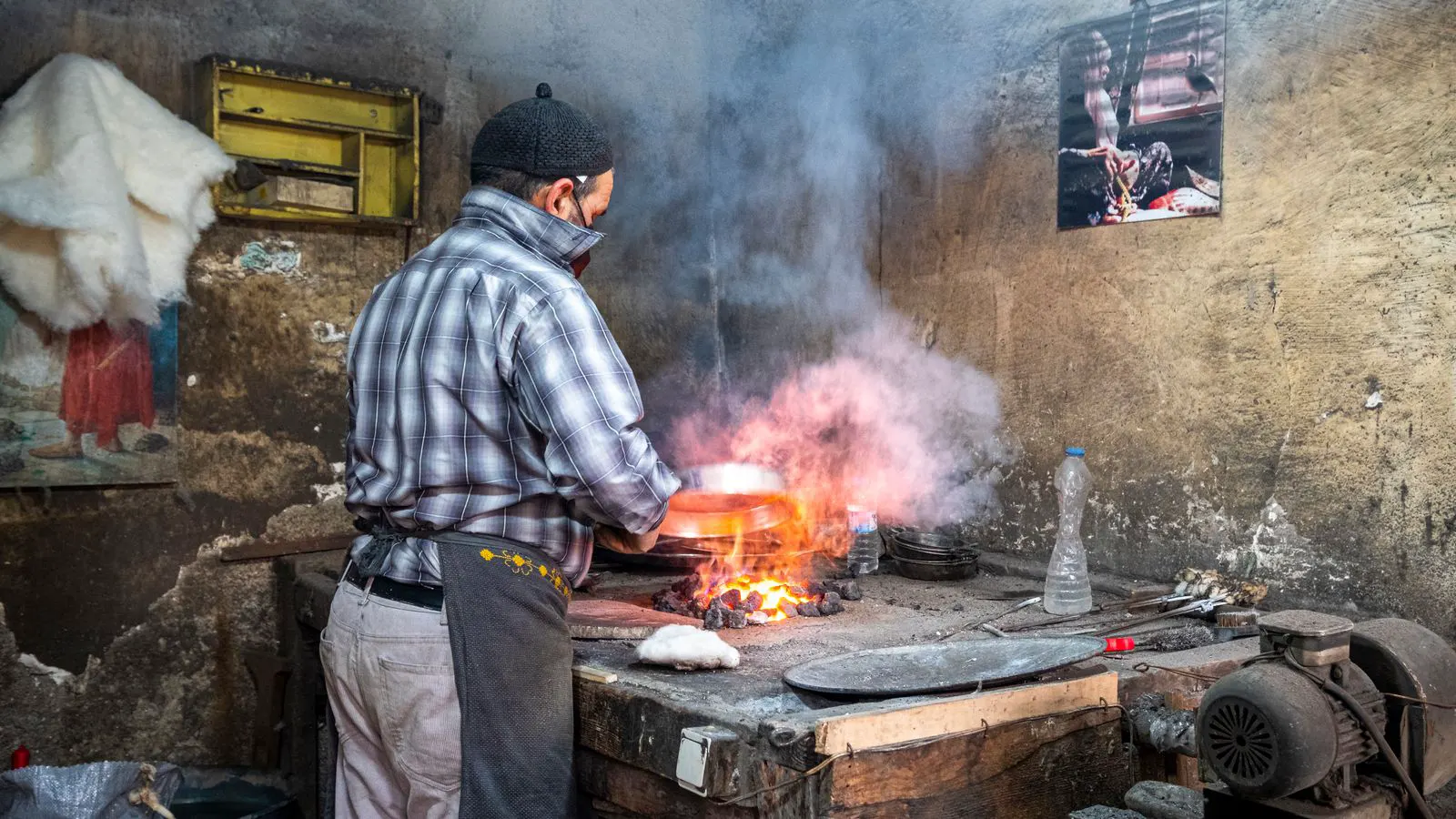
Use this checklist to match quenching media to alloy grade, part geometry, and distortion limits. It covers cooling rates, viscosity, oxidation, cost, and safety checks
Heat treatment cost for alloy steel forgings depends on mass, hardness, and tolerance. Procurement managers should specify material, geometry, and delivery date in RFQs
Procurement teams must verify heat treatment certificates against purchase orders to confirm material certification, furnace logs, quenching media, and hardness data

Forging warpage in heat treated parts results from uneven cooling, residual forging stress, and improper fixture design. This guide outlines common symptoms, likely
Water quenching delivers high hardness but carries high cracking risk. Oil quenching slows cooling to reduce stress. Engineers choose based on geometry, alloy, and