Heat Treatment
Outlook: Advanced Heat Treatment for Forged Alloys
Advanced forged alloy heat treatment is moving toward tighter monitoring, better quench control, and digital coordination between forging and post-machining. Buyers
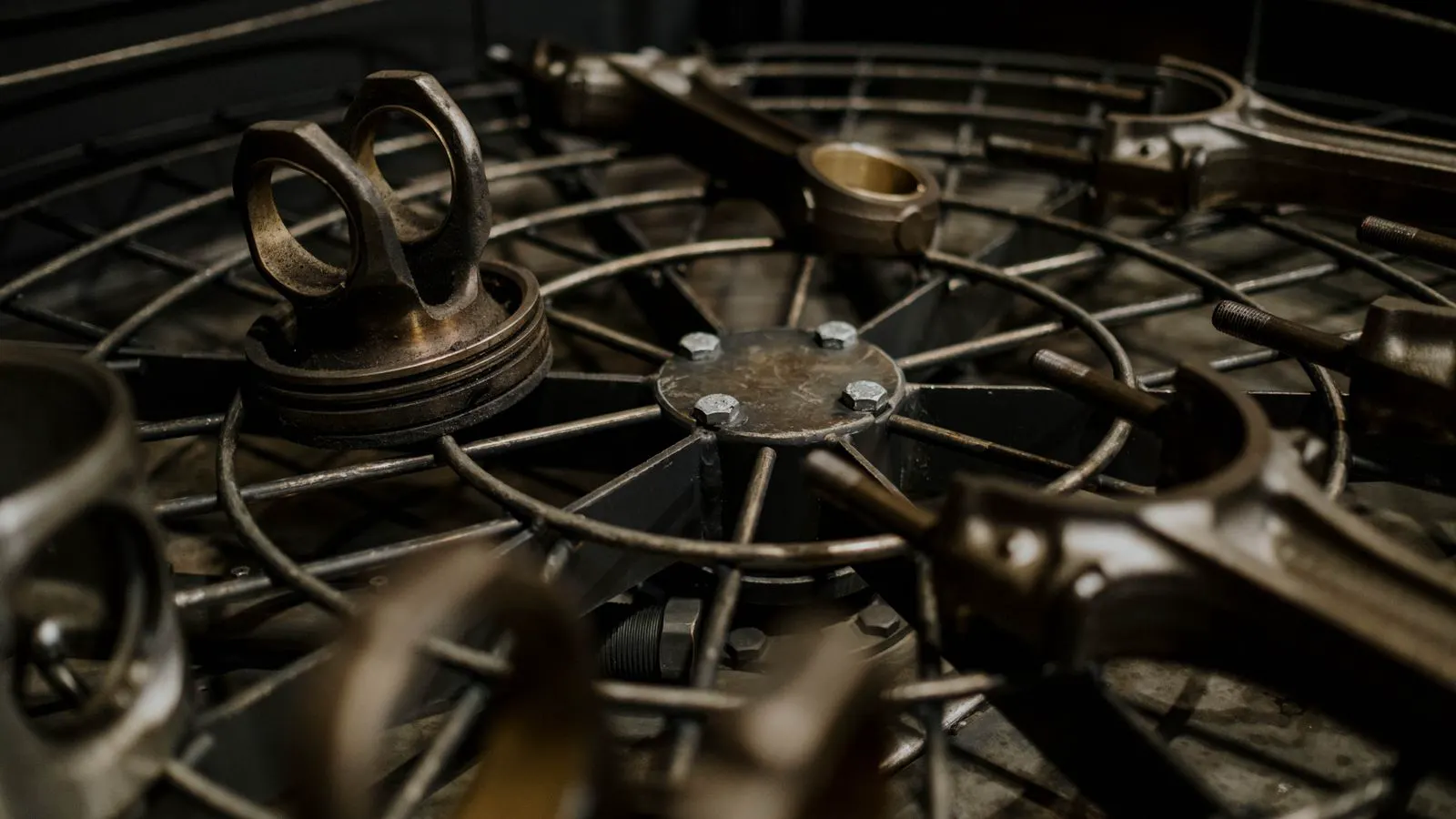
Clear explanations of heat treatment processes for forged parts, including annealing, quenching, tempering, and case hardening.
Advanced forged alloy heat treatment is moving toward tighter monitoring, better quench control, and digital coordination between forging and post-machining. Buyers
Procurement teams need to vet forged heat treatment vendors using clear technical and quality criteria. This guide outlines how to assess supplier capabilities
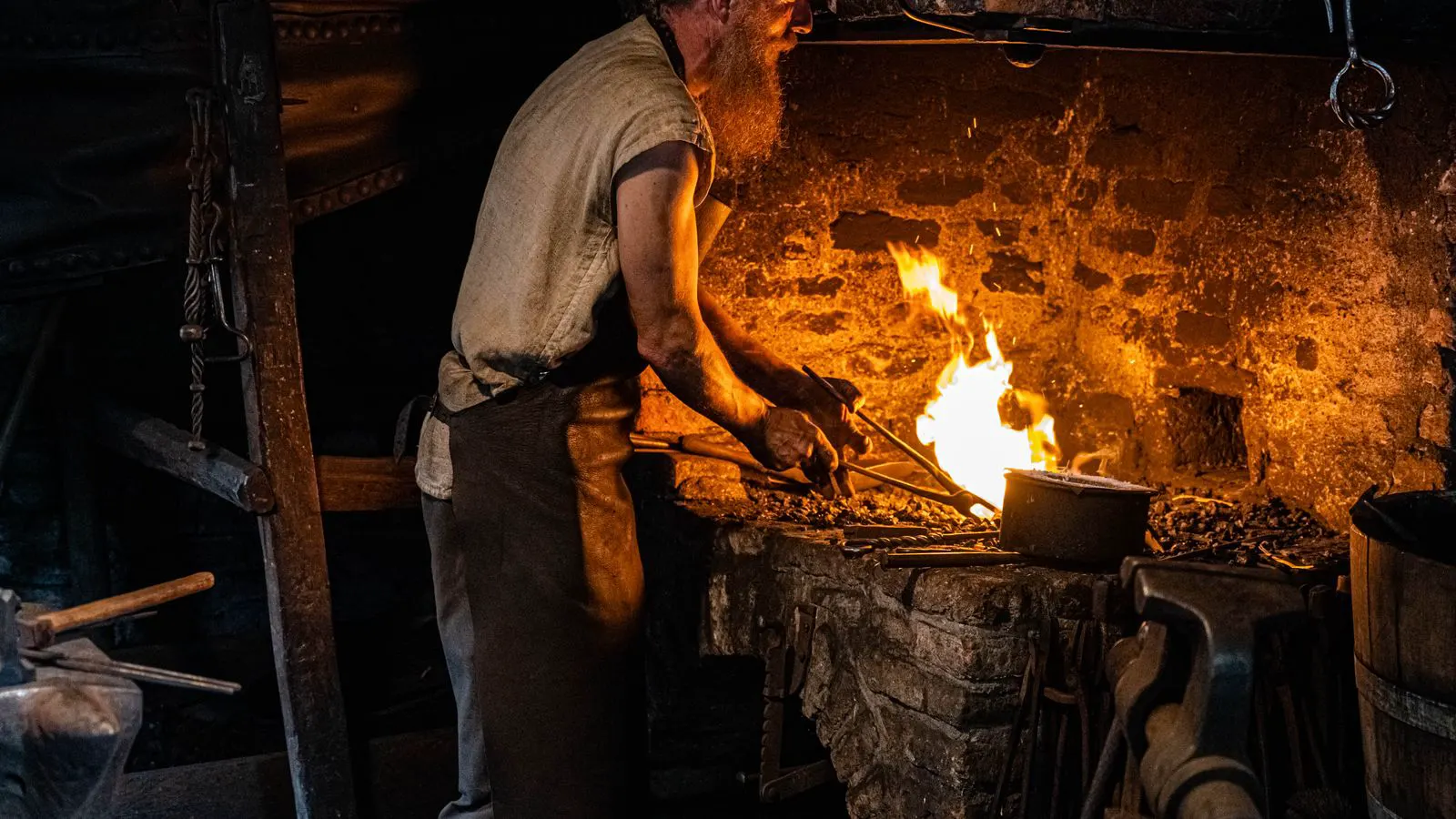
Cracks and decarburization are common defects in heat treated forged parts. This guide explains how to identify symptoms, trace likely causes to the forging or quenching
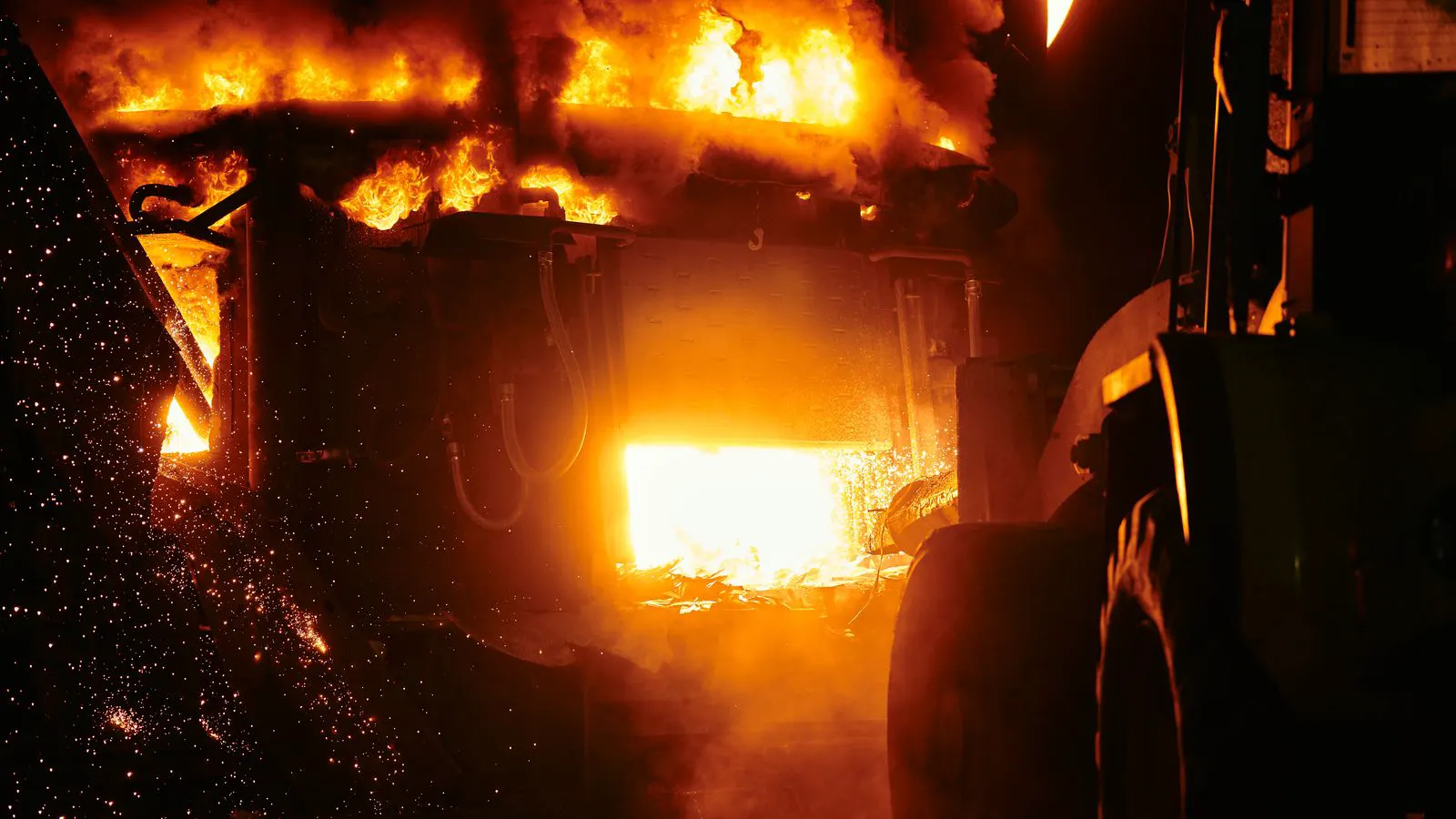
The future of heat treatment in high-volume forging moves toward digital control, energy efficiency, and advanced quenching media. Buyers should plan for closed-loop
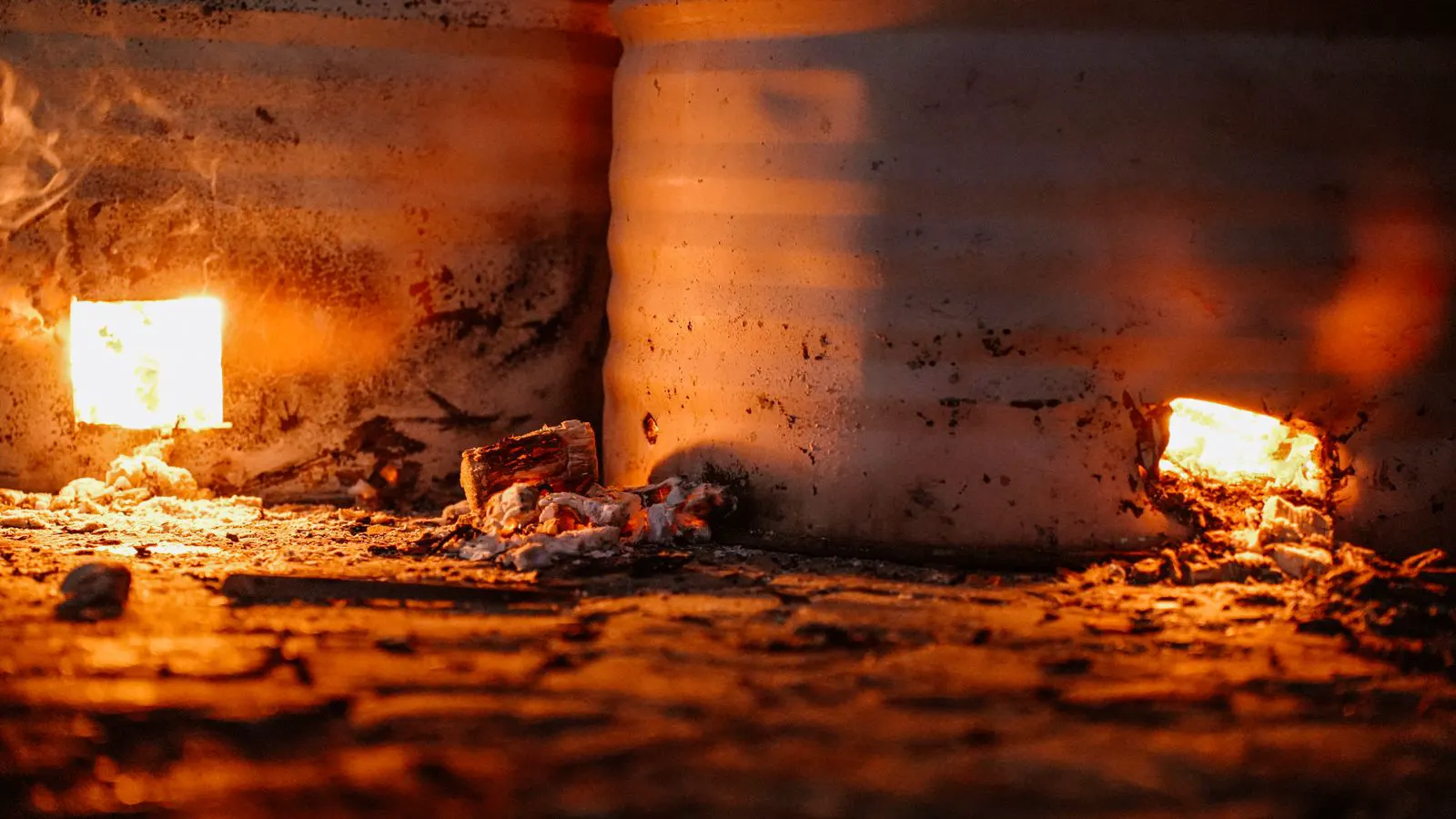
Selecting a reliable third-party heat treatment supplier requires verifying material capability, equipment capacity, and quality controls. This guide helps buyers
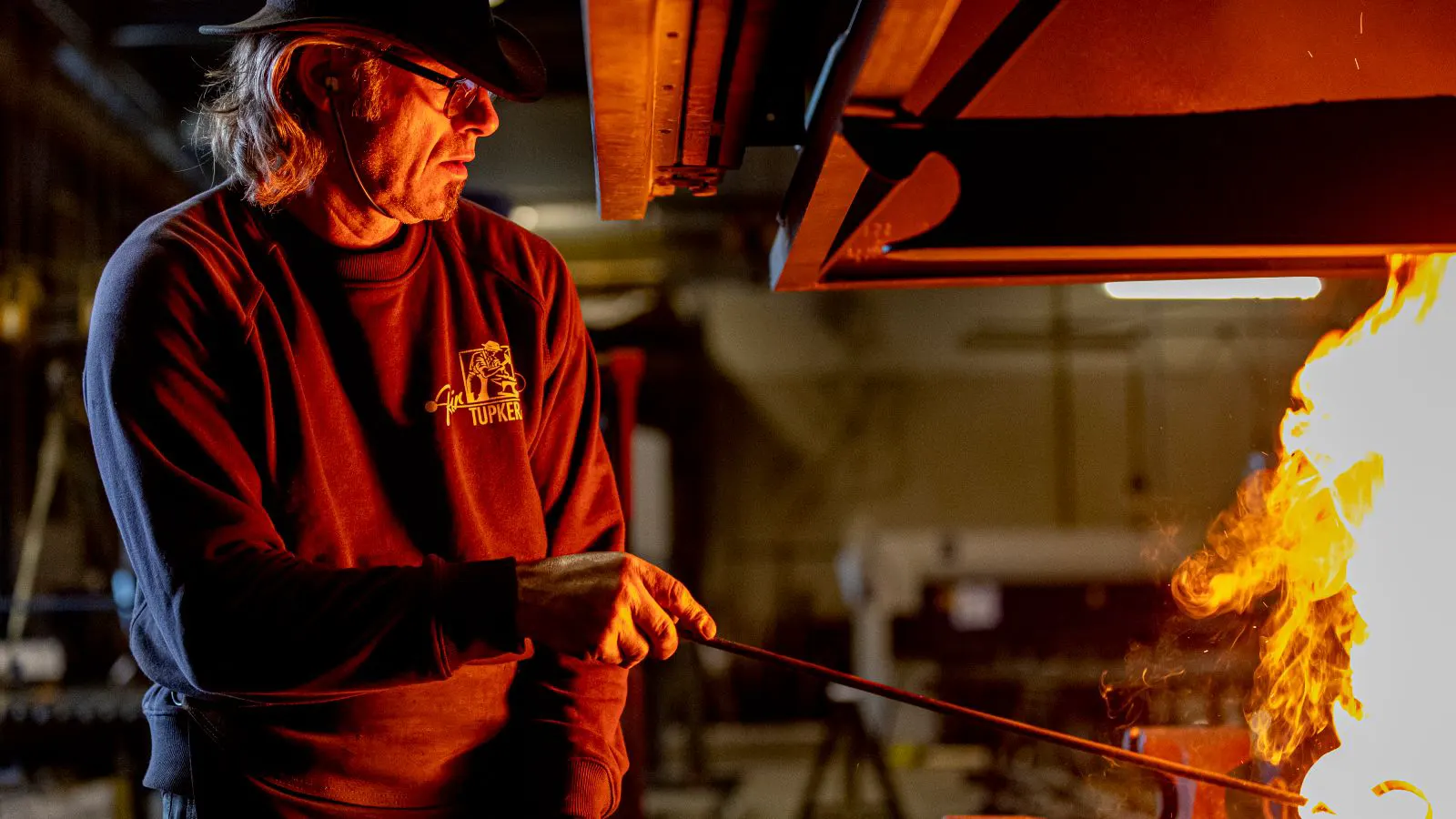
Heat treatment cost depends on material, geometry, and specification. Forging lead time extends when post forging treatment adds furnace cycles. Clear RFQs and
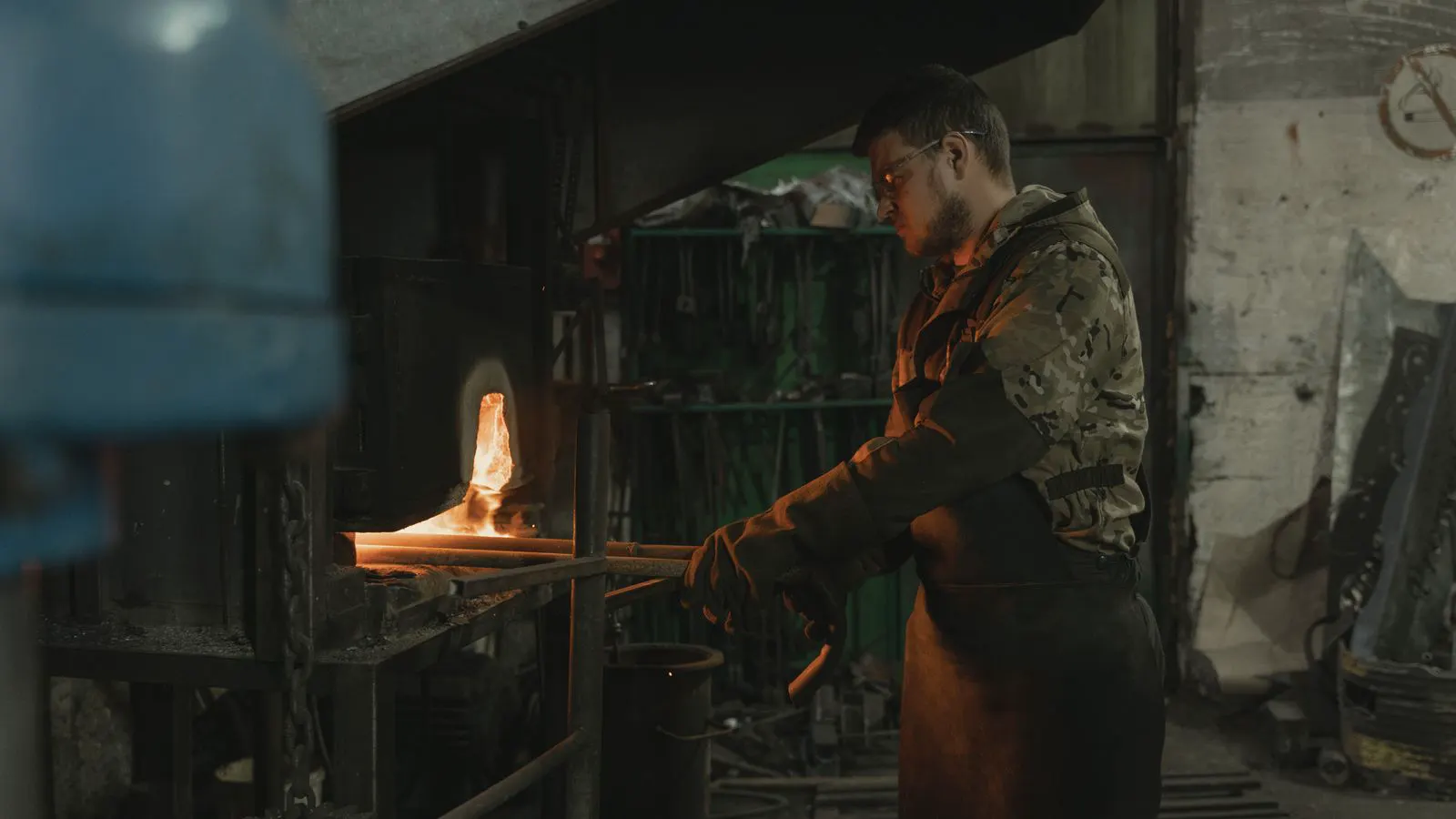
Water quenching cools faster but risks distortion and cracking. Oil quenching slows cooling for better dimensional control. The right choice depends on steel grade, part
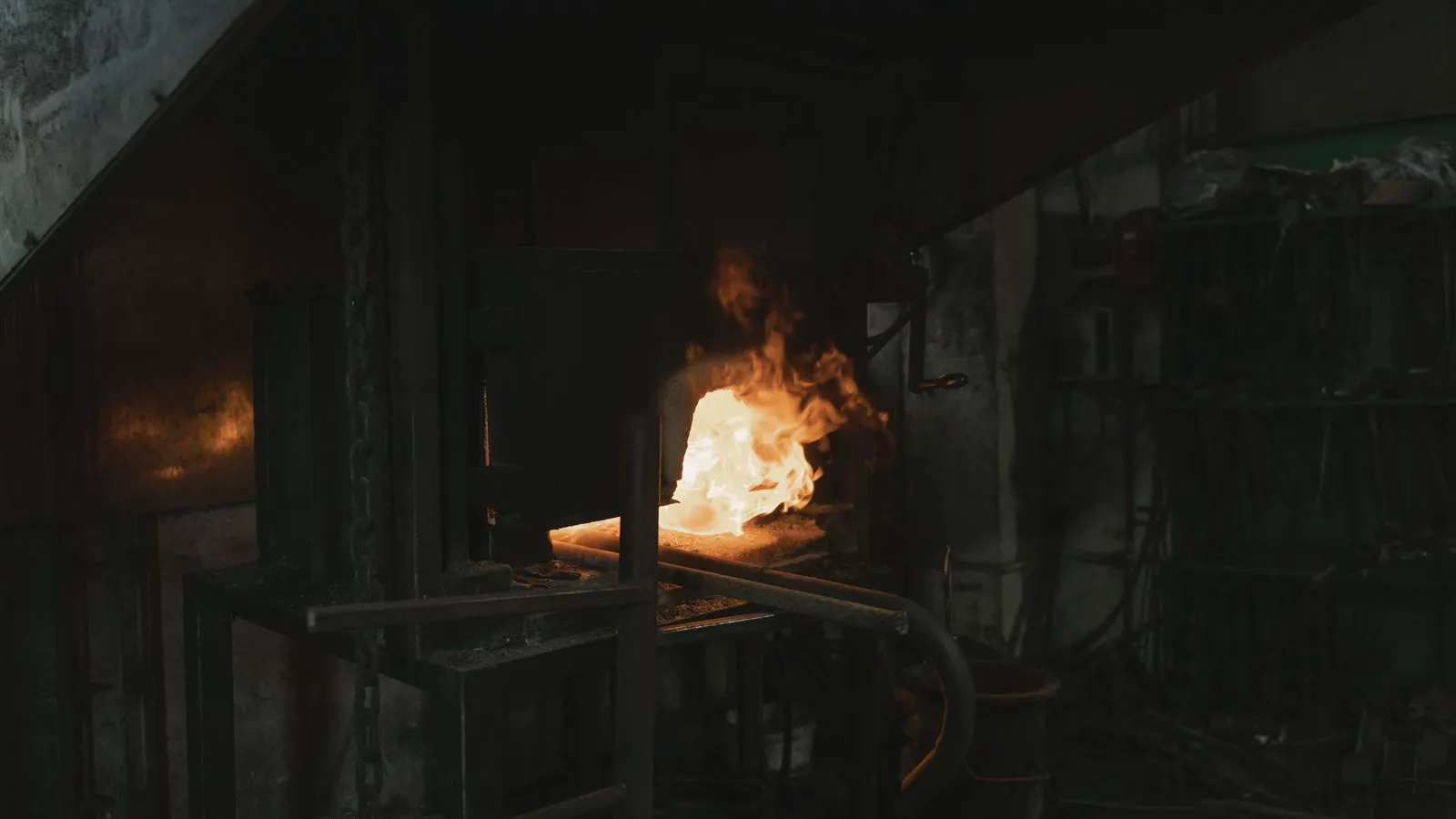
To plan a quench and temper cycle, define material grades, determine hardness targets, select quenching media, set soak times, and validate results through testing. A
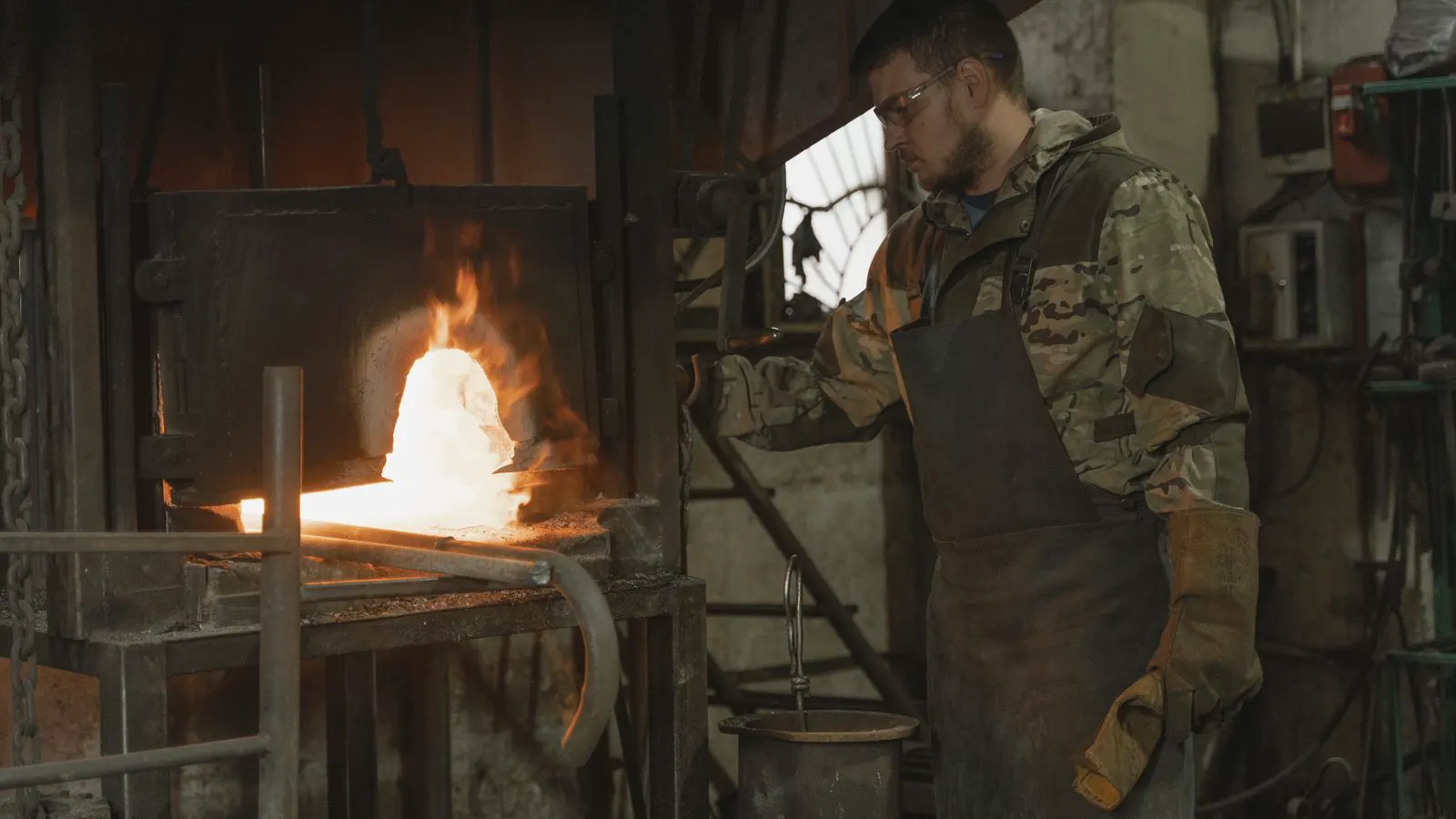
Tempering forged steel reduces brittleness after quenching by allowing carbon to precipitate. This process lets engineers balance hardness and toughness, ensuring parts
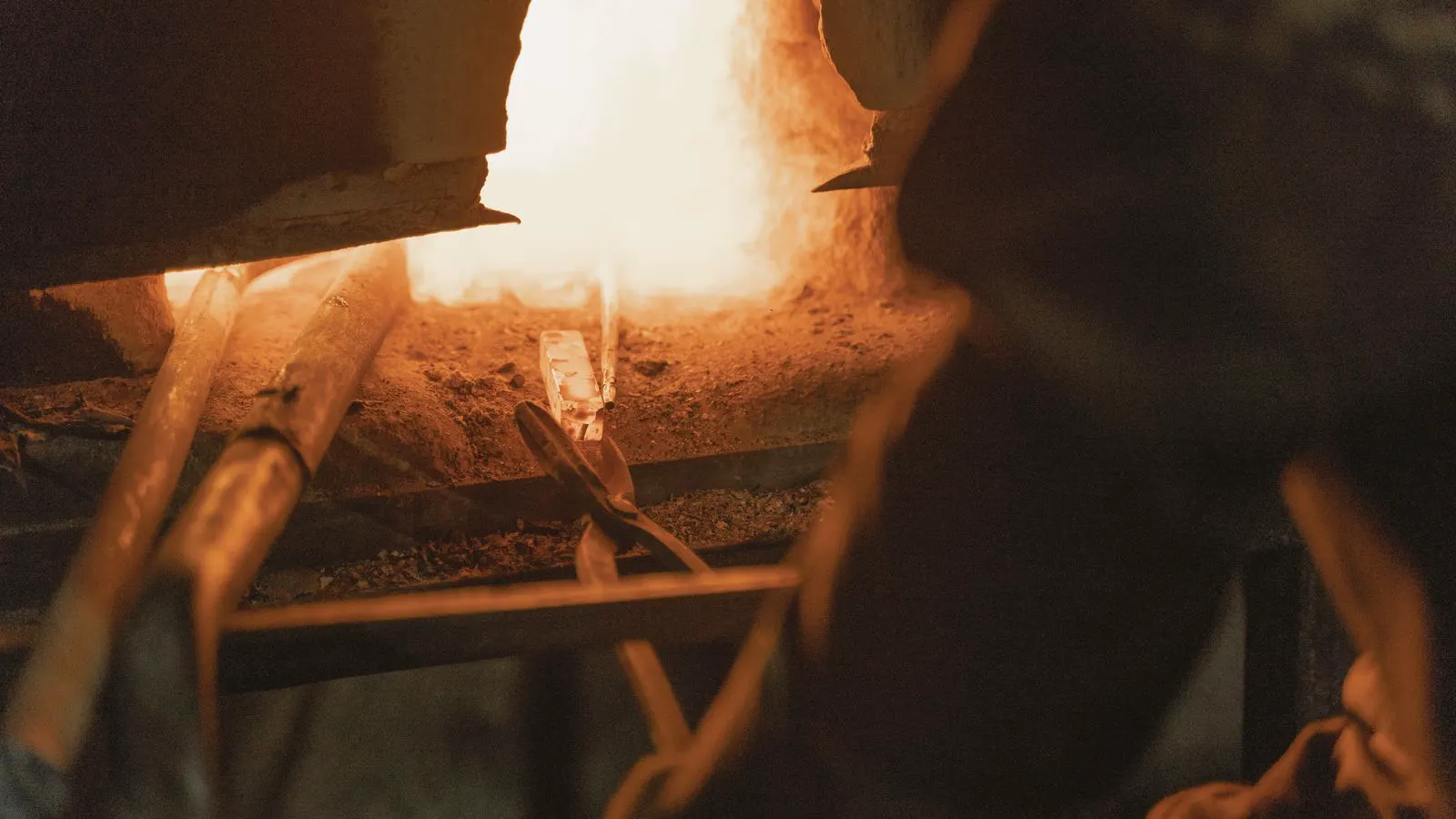
Selecting between quenching oil and gas depends on part geometry, critical dimensions, and distortion tolerance. This guide provides a structured evaluation method to