
Industry Applications
Outlook: Forged Components in Electric Heavy Equipment
Electrification shifts heavy machinery design away from combustion engines toward high-torque electric drives. This increases demand for high-strength forged shafts
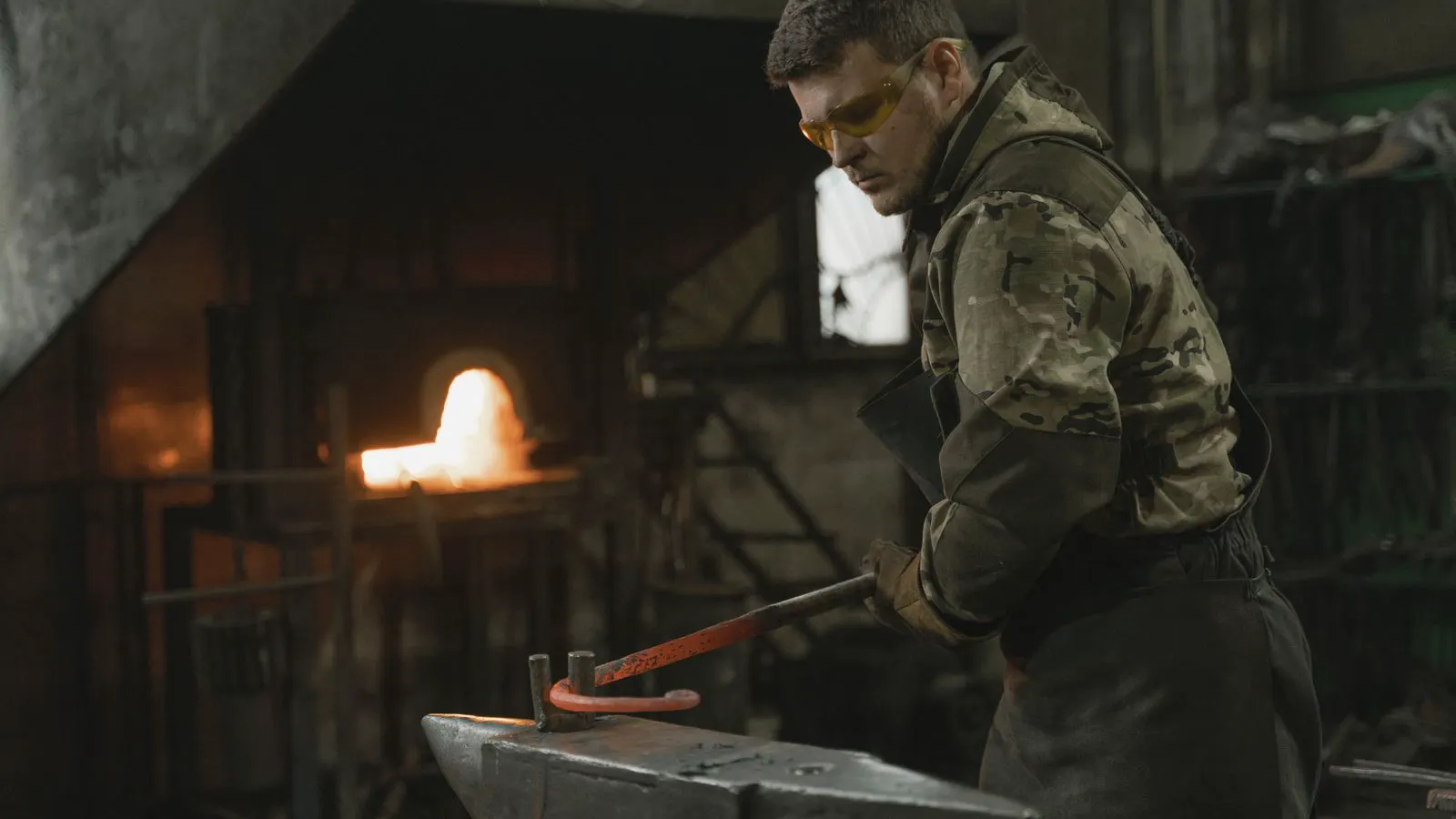
Practical forging knowledge for material selection, cost, and quality decisions
Start with the stage of the sourcing process you are in.
Practical guides on open-die and closed-die forging processes, including tooling, production limits, and process selection for parts.
Detailed overviews of common steel and alloy grades used in forging, covering mechanical properties and typical applications.
Clear explanations of heat treatment processes for forged parts, including annealing, quenching, tempering, and case hardening.
Guides on quality control, non-destructive testing, and material verification methods used to ensure forging reliability and compliance.
Practical insights into factors that affect forging costs and lead times, helping buyers plan budgets and project schedules.
Step-by-step guidance on evaluating forging suppliers, covering capabilities, certifications, quality systems, and communication.
Examples of how forged components are used across automotive, aerospace, energy, and heavy equipment industries.
Electrification shifts heavy machinery design away from combustion engines toward high-torque electric drives. This increases demand for high-strength forged shafts

Case hardening cost varies based on part geometry, steel grade, and production volume. Lead time for forging and heat treatment depends on shop capacity and
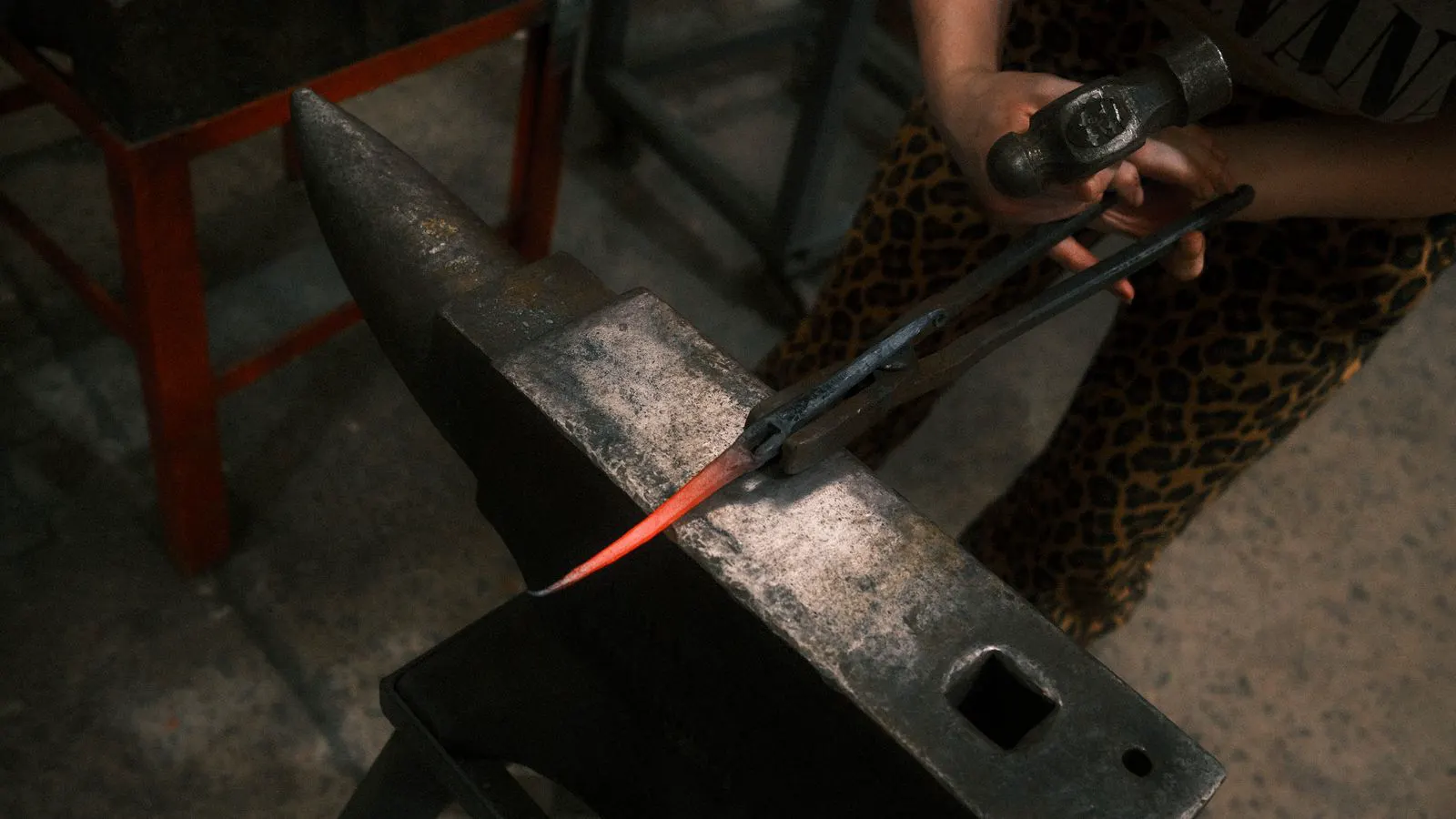
This checklist helps buyers verify closed-die flash control by checking die geometry, parting lines, and trim requirements. It identifies red flags in forging die design
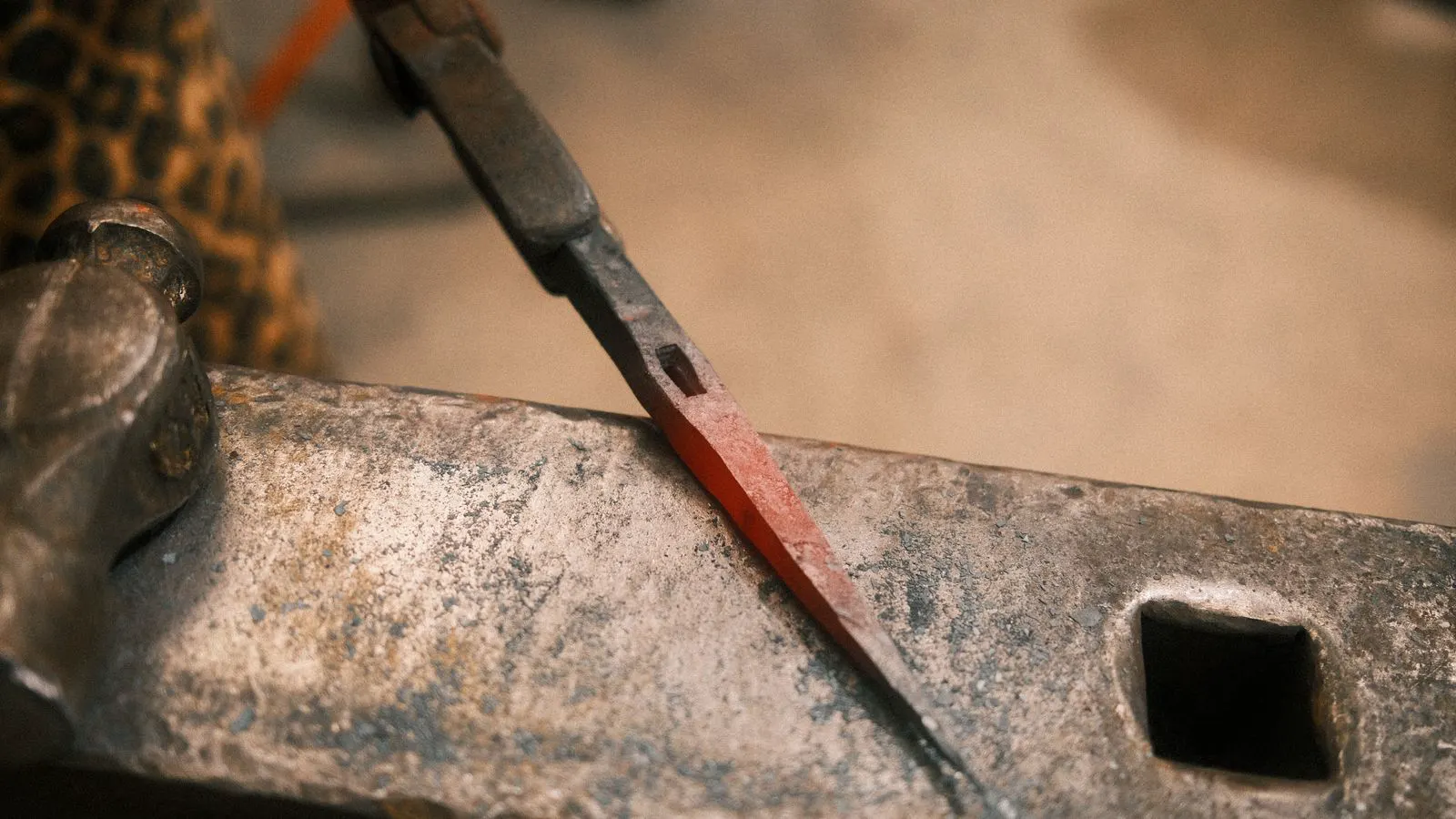
Importers need a method to select forging vendors who can guarantee consistent output and lead time for mass production. This guide provides specific criteria for
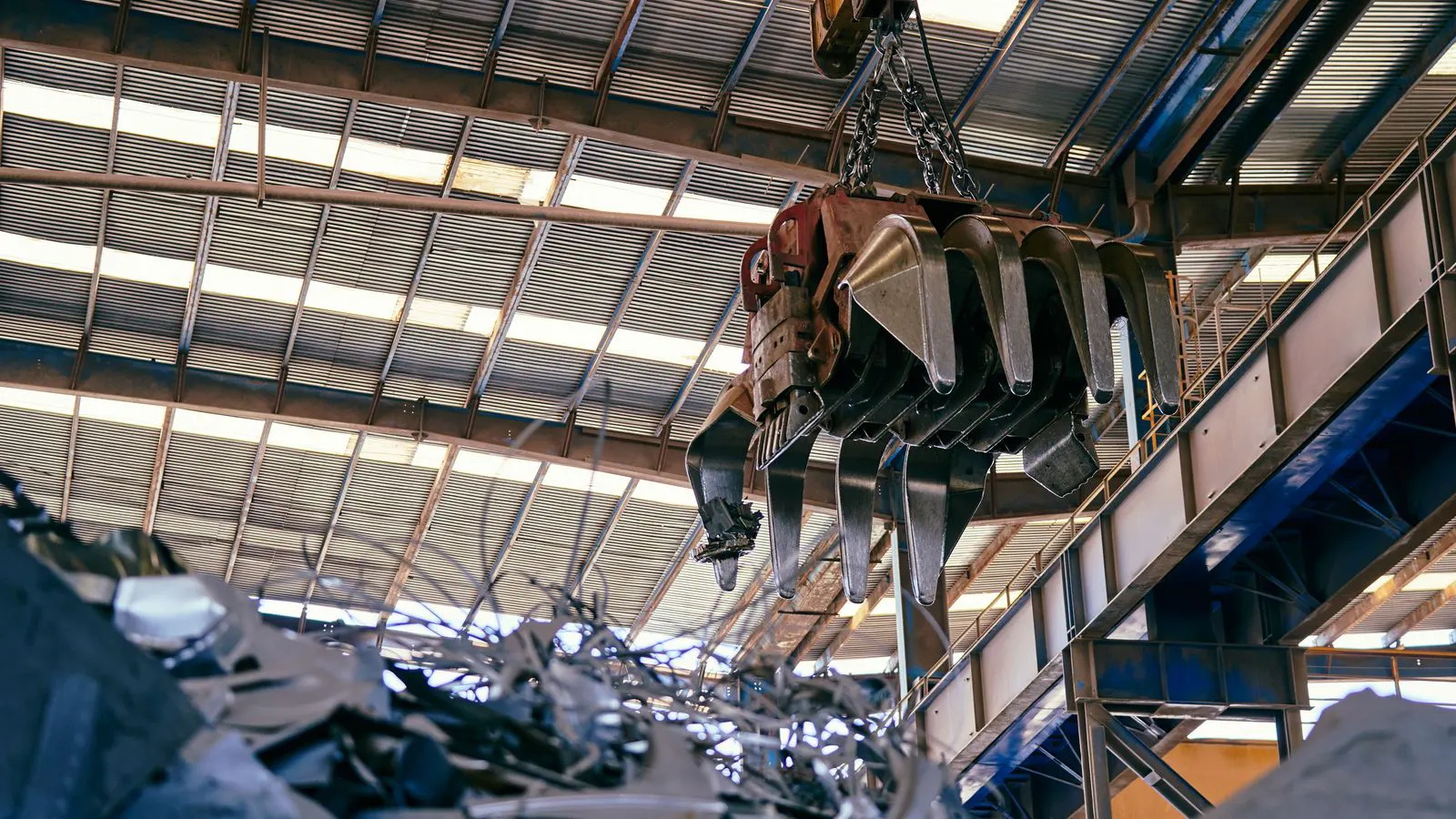
A sudden rise in forging scrap rate usually points to tool wear, die misalignment, or material variation. This guide identifies key symptoms, isolates the root cause

Case hardening forging is moving toward tighter surface control, better alloy compatibility, and stricter verification. Engineers should plan for stricter tolerances
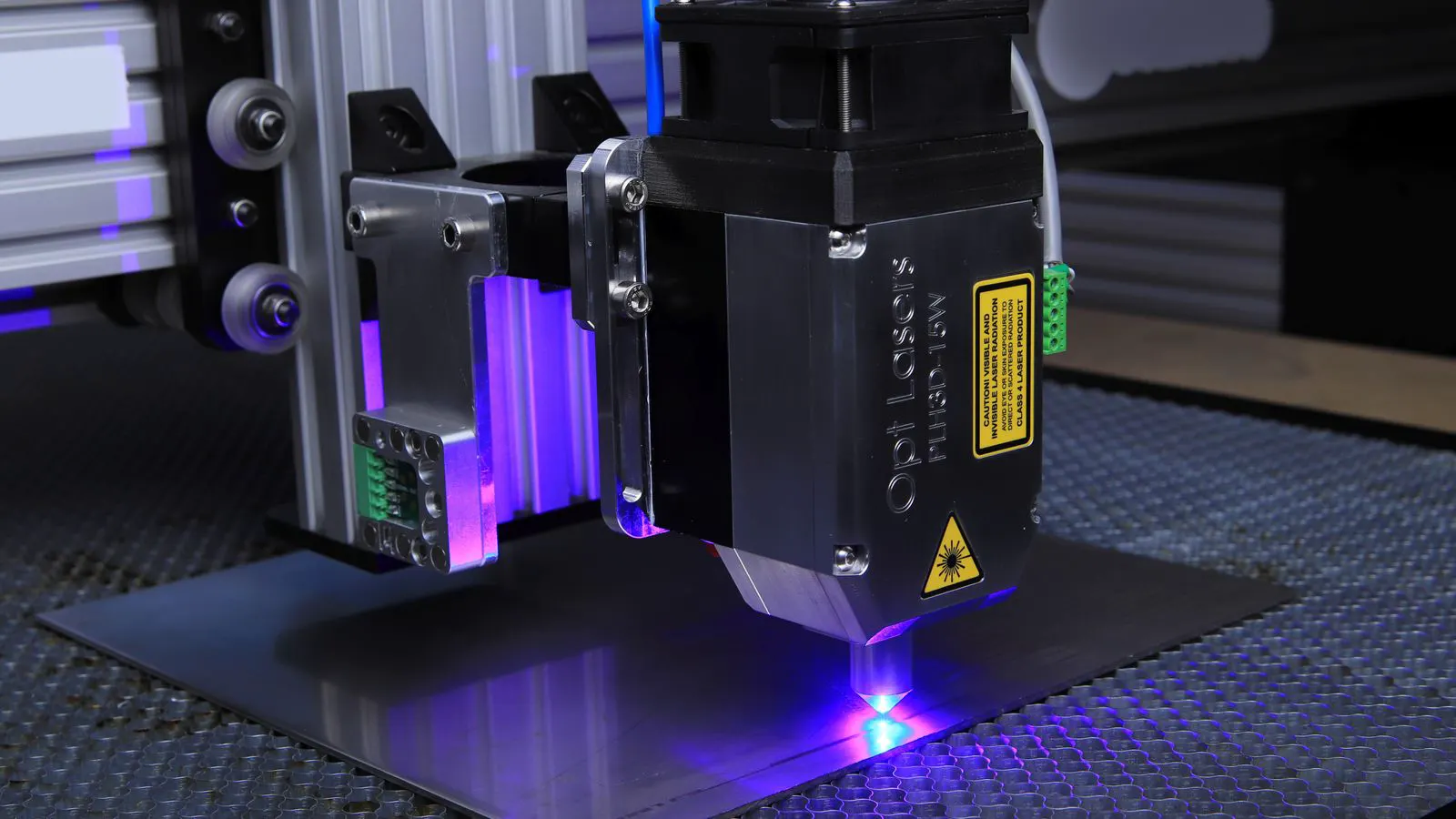
Magneto optical inspection offers higher sensitivity and permanent digital records. Magnetic particle testing is faster and cheaper for rough surfaces. Choose based on
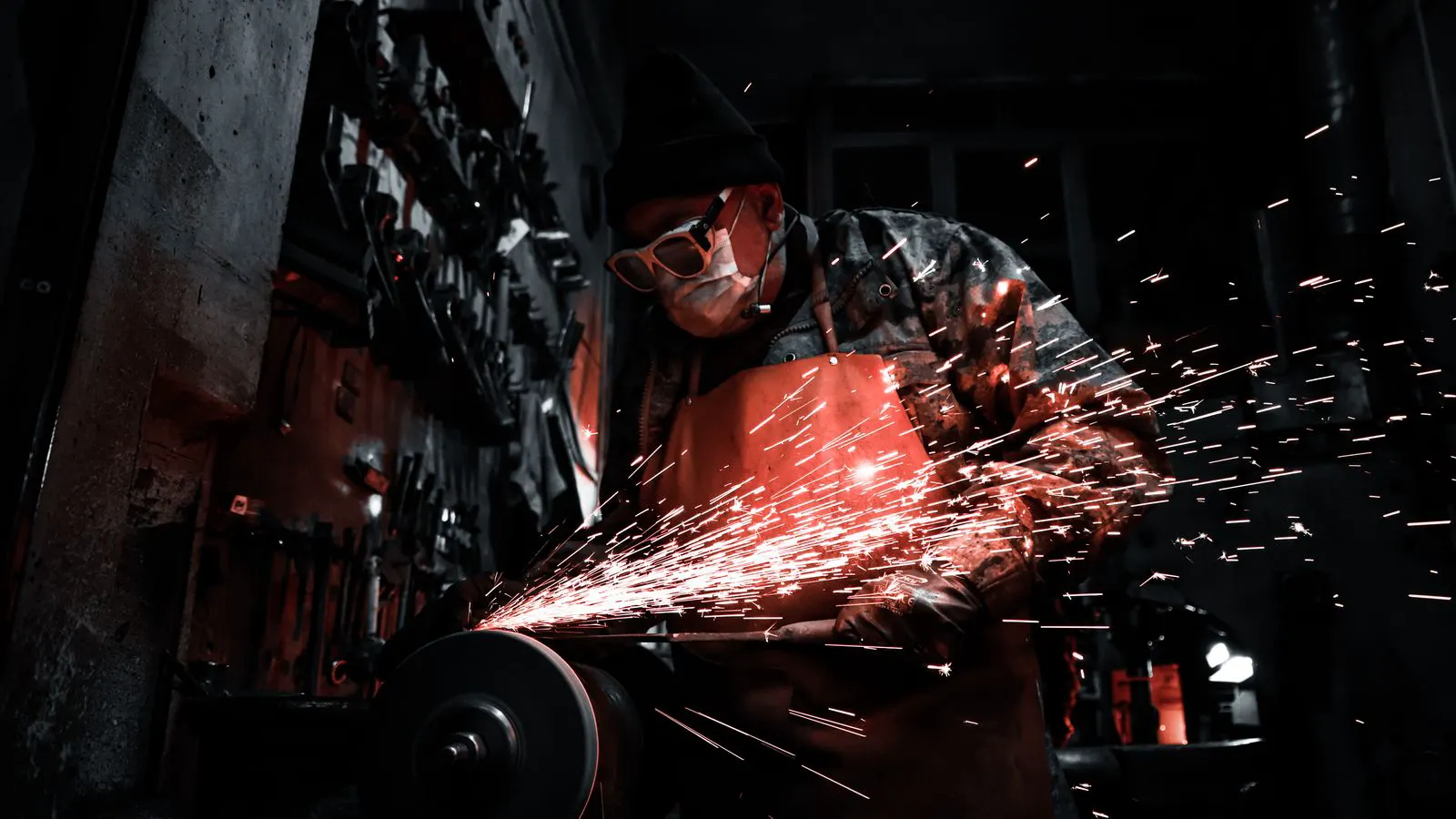
Shorten delivery cycles by aligning material procurement with die readiness, balancing machine capacity, and implementing tighter quality controls. This approach
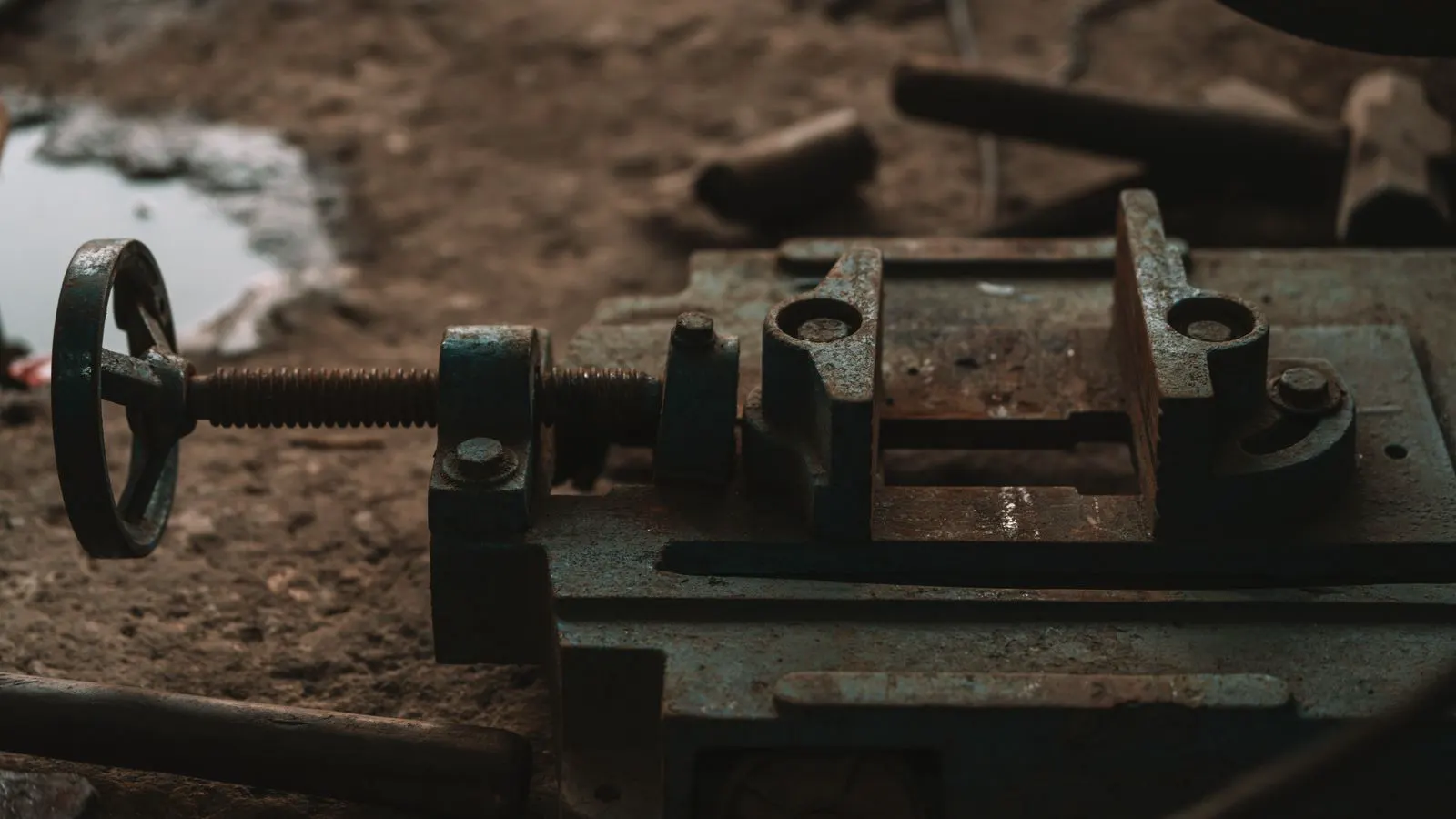
This guide compares the cost structures of domestic versus imported forging. It breaks down material, labor, tooling, and freight to show how total landed costs vary by
Buyers and engineers use Forging Industry Guide to compare forging methods, evaluate alloy grades, and understand how heat treatment and testing affect final part performance. The site focuses on the decisions that drive procurement and design: choosing between open-die and closed-die processes, selecting materials, and verifying quality through documented checks.
Each article explains practical trade-offs in plain terms. You will find guidance on cost drivers, lead-time planning, supplier evaluation, and industry applications, without vendor bias or invented statistics. The content is written for readers who need clear, technical information to brief suppliers and review specifications.
Open-die forging shapes a billet by compressing it between flat dies, suitable for simple sections and large parts. Closed-die forging uses a die set with a cavity to form the part in one or a few strokes, giving closer dimensional control and finer detail.
Grade selection influences strength, toughness, wear resistance, and weldability. Higher-alloy steels may require different forging temperatures and heat-treatment cycles to achieve the desired properties.
Heat treatment adjusts the microstructure of the forged part. It can improve hardness, reduce internal stresses, and ensure the material meets the mechanical properties specified in the design.
Typical checks include dimensional inspection, hardness testing, macro and micro examination, and non-destructive testing for internal defects. The required tests depend on the criticality of the part and the applicable specification.
Cost depends on material grade, part geometry, quantity, and required finish. Lead time is affected by tooling development, heat-treatment capacity, and testing requirements. Complex parts and low volumes generally take longer and cost more per unit.
Review the supplier's process capabilities, material traceability, quality management practices, and past performance on similar parts. Ask for sample reports, tooling status, and references from comparable projects.