Explaining Metal Forging: Open-Die and Closed-Die Methods
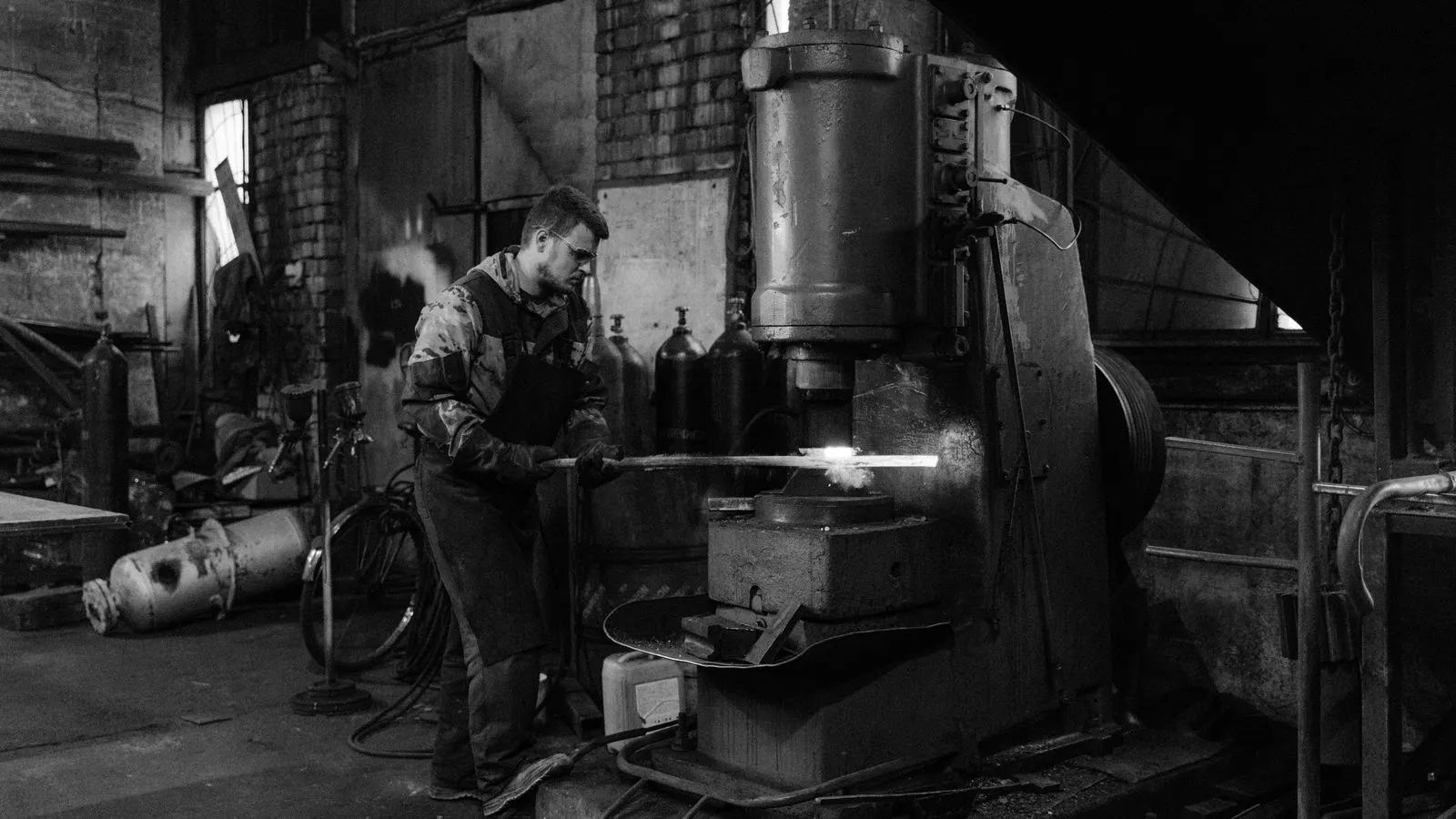
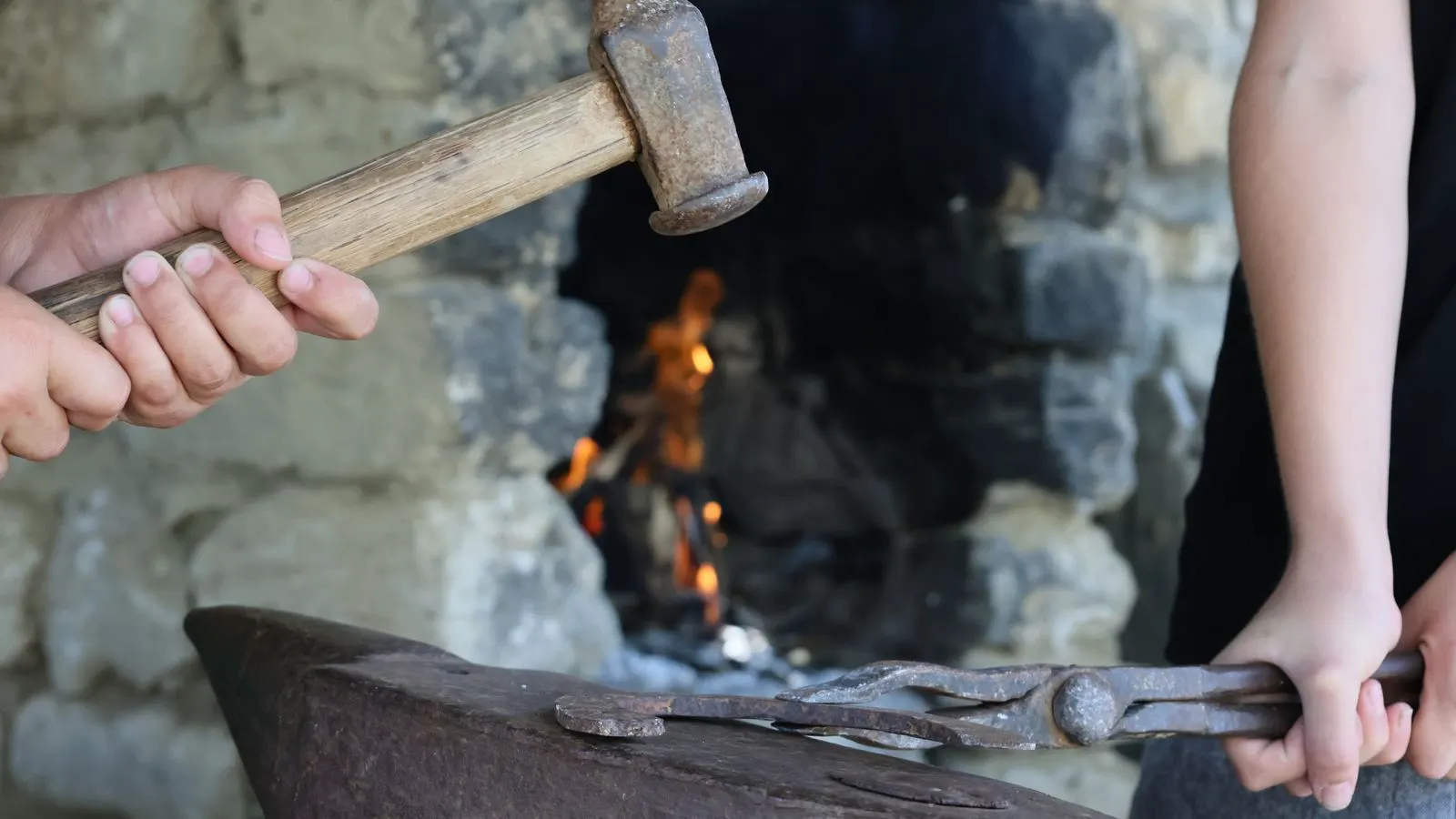
Metal forging shapes raw steel or other alloy stock into parts using compressive force. Open die forging uses a single die and an anvil, while closed die forging uses
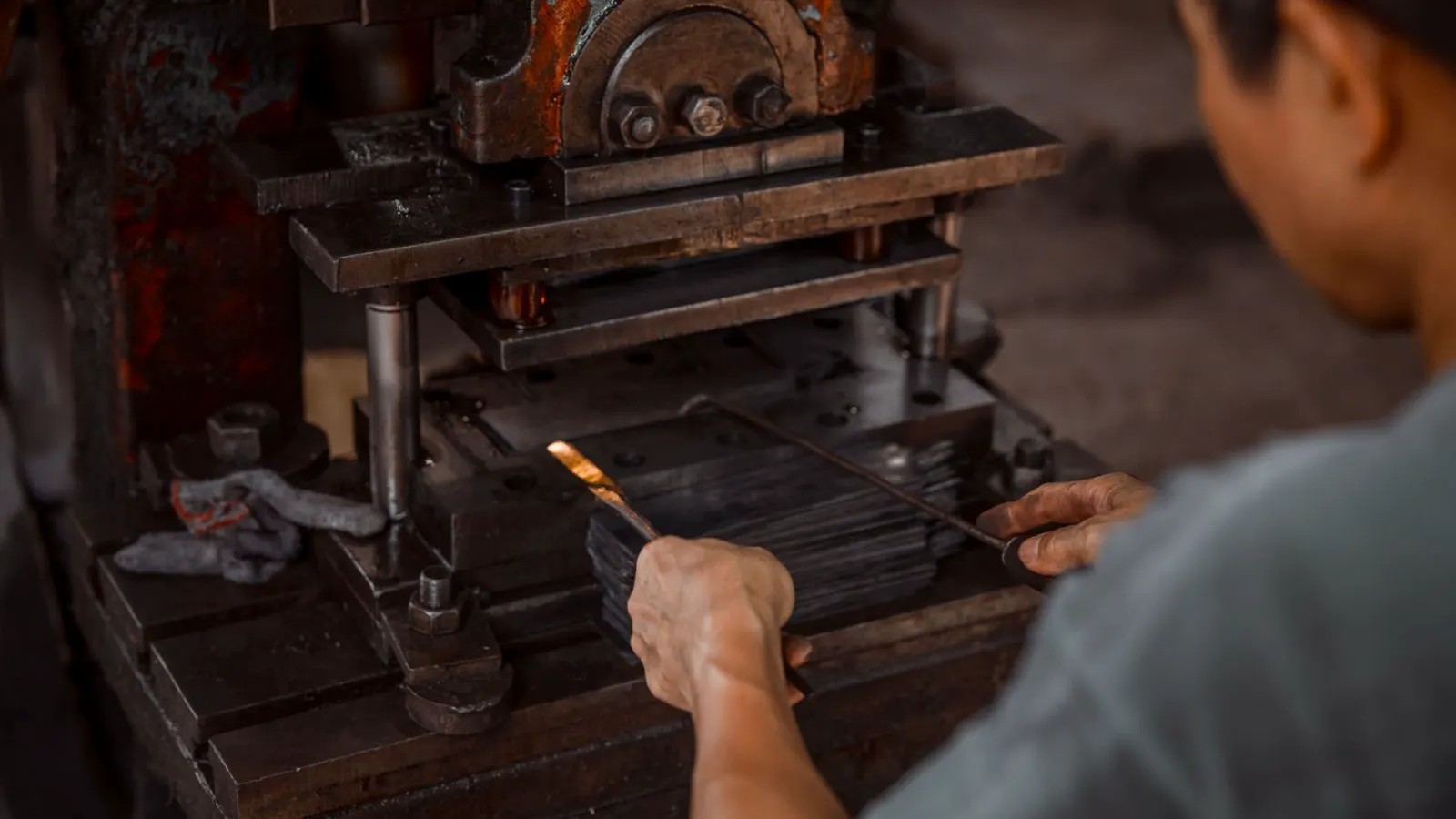
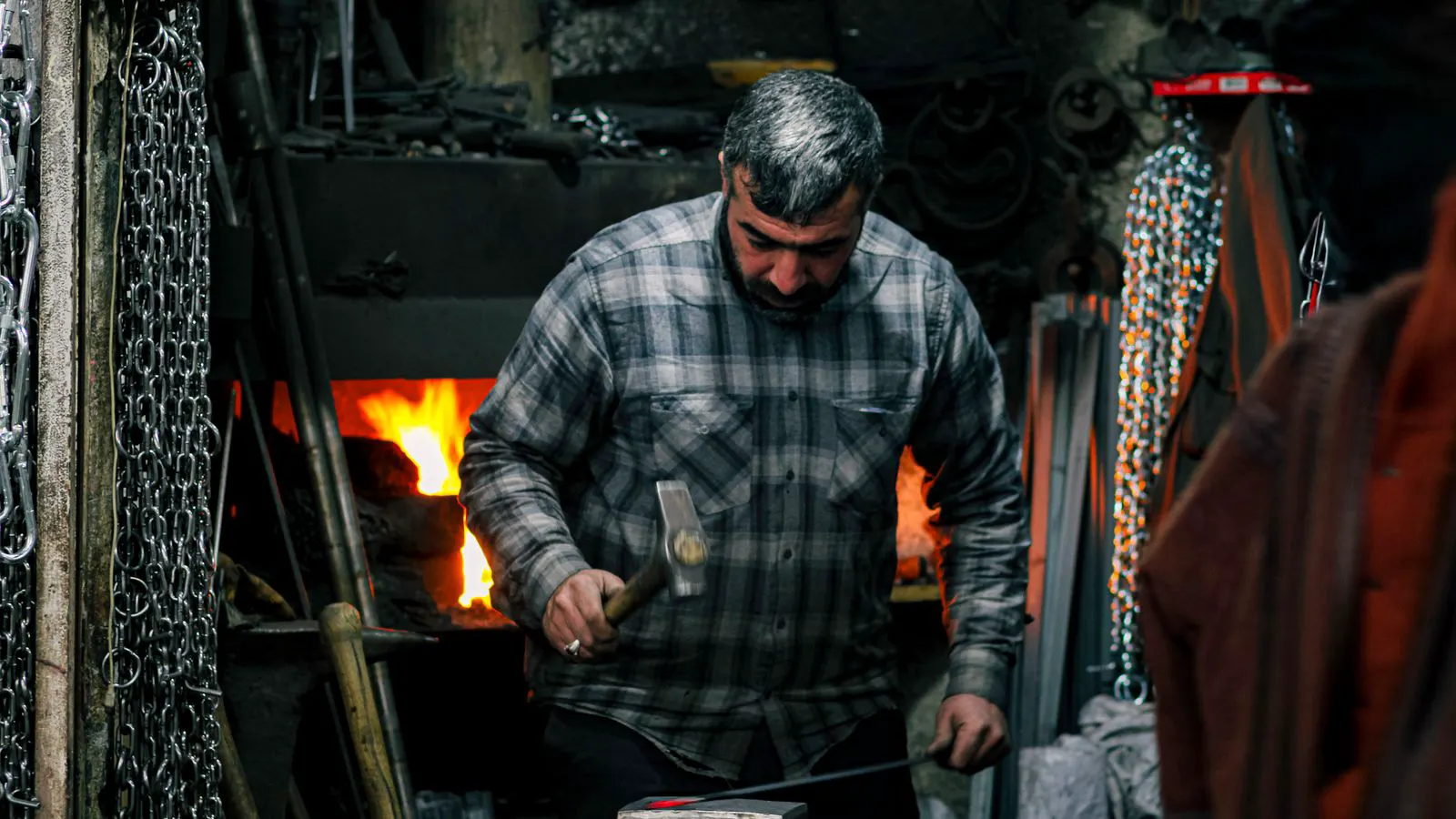
Practical guides on open-die and closed-die forging processes, including tooling, production limits, and process selection for parts.

Metal forging shapes raw steel or other alloy stock into parts using compressive force. Open die forging uses a single die and an anvil, while closed die forging uses
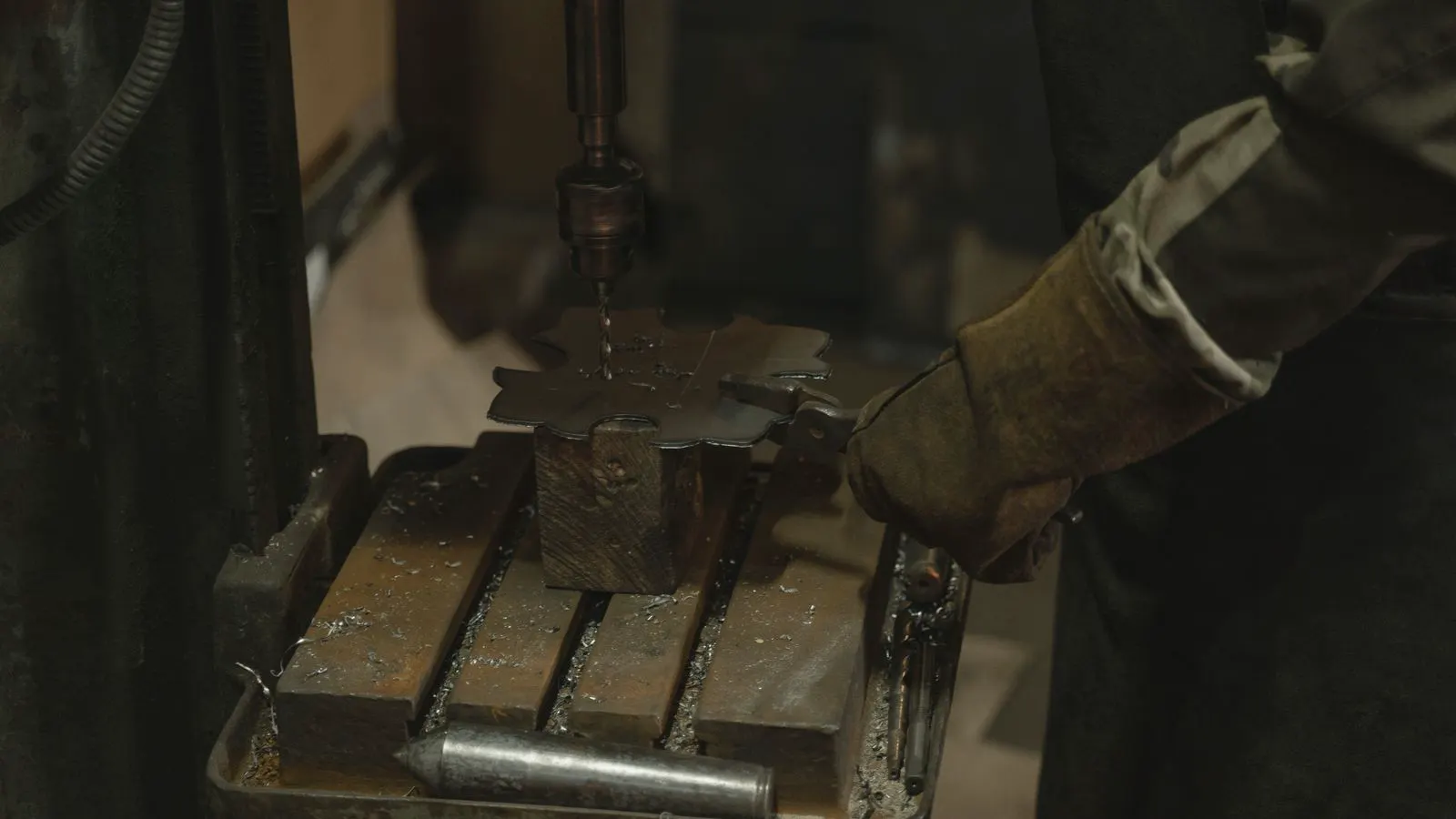
Forging process planning starts with part geometry and material selection. Define volume targets, die style, and heat treatment. Structure the plan around die life

Cracks and inclusions are common forging defects caused by material, thermal, or mechanical issues. This guide lists symptoms, likely causes, and practical fixes for

Selecting the right forging dies requires matching die geometry to part complexity, material behavior, and production volume. This guide provides a practical framework

Open die vs closed die forging depends on part geometry and volume. Open die is ideal for low-cost, high-volume simple shapes, while closed die provides higher precision