How to Select Forging Dies for Complex Metal Part Production
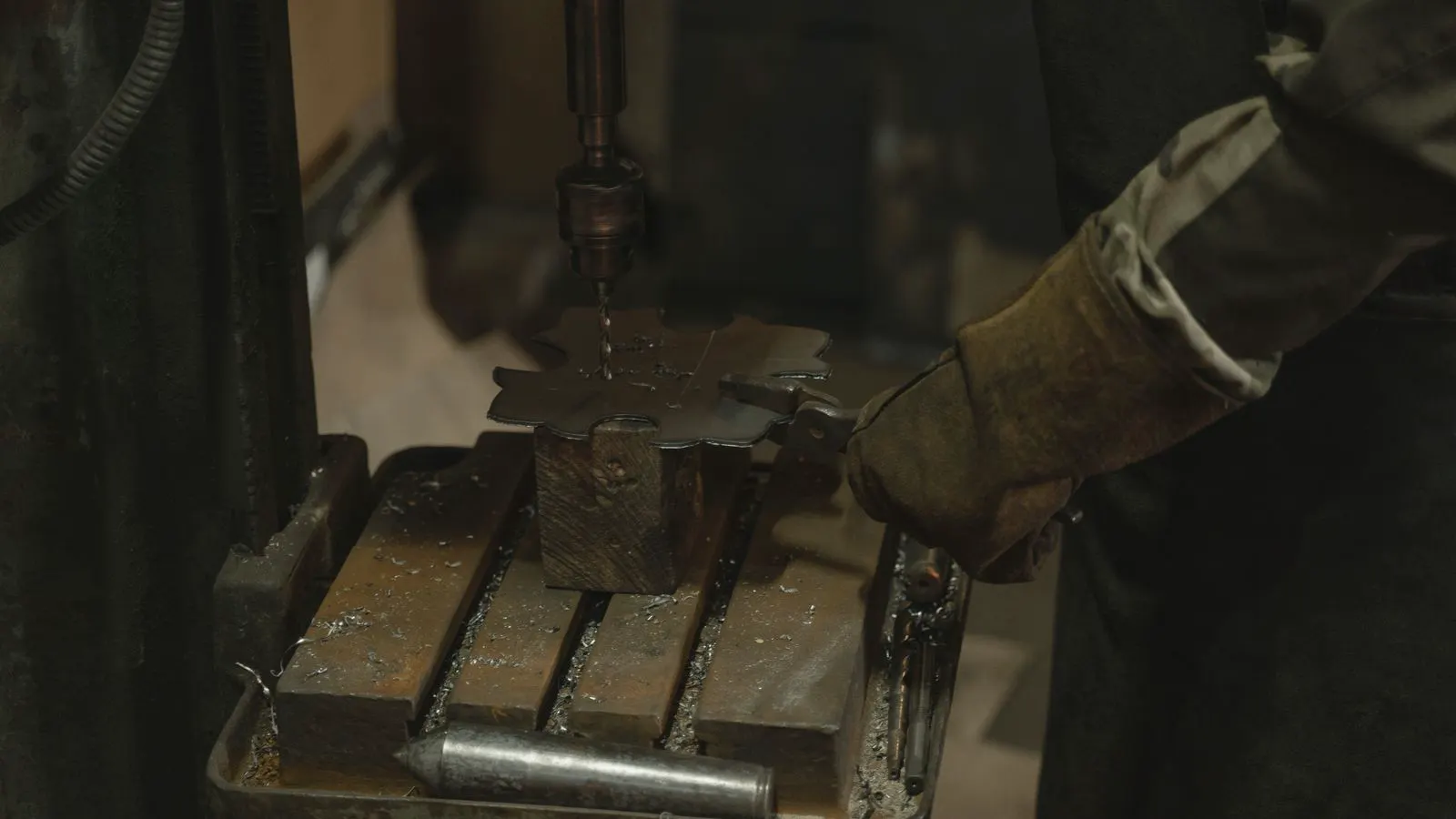
Selecting the right forging dies requires matching die geometry to part complexity, material behavior, and production volume. This guide provides a practical framework for evaluating open and closed die options, ensuring reliable metal shaping and consistent part quality.
- Die selection must account for part geometry, material flow paths, and expected production volumes to ensure efficient metal shaping.
- Complex parts often require closed-die designs with specific cavity features to control flow and reduce flash.
- Always validate die selection with trial runs and consider maintenance access, tool life, and tolerance requirements.
Selecting the correct forging dies is a critical step in the production of complex metal parts. The die design directly influences how the metal flows, the final part dimensions, and the overall efficiency of the manufacturing process. For engineers and buyers, choosing the right die selection strategy is essential for achieving consistent quality and cost-effective production.
What Drives Die Selection for Complex Parts?
The primary driver for die selection is the complexity of the part design. Simple, low-volume parts may benefit from open-die methods, but complex geometries with thin walls, internal features, or tight tolerances usually demand closed-die solutions.
When evaluating a part, consider the following factors:
- Part Geometry: Does the part have deep pockets, undercuts, or multiple cavities?
- Material Flow: Can the metal flow uniformly without causing defects like flow lines or tears?
- Tolerance Requirements: How precise must the final dimensions be?
- Production Volume: Is the run short-term or long-term?
For complex metal parts, the die must guide the material through specific paths. This is where die selection becomes a technical exercise rather than a simple choice.
Open-Die vs Closed-Die: Matching the Process
Open-die forging uses a single or simple pair of dies to shape the metal. It is cost-effective but offers limited control over final dimensions. Closed-die forging uses a pair of dies that enclose the workpiece, allowing for precise shaping and reduced material loss.
For parts with high complexity, closed-die forging is generally preferred. The die selection in this context involves designing cavities that match the part’s shape. This ensures the metal flows into all areas of the part without excessive trimming.
However, not all complex parts require closed-die forging. If the part has complex features but is produced in low volumes, a hybrid approach or specialized open-die designs might be considered. The goal is to balance die cost, production speed, and part accuracy.
Evaluating Die Geometry and Material Flow
Die geometry is the core of the die selection process. The shape of the die cavities determines how the metal will deform. For complex parts, the die must be designed to avoid stress concentrations and ensure even material distribution.
Key aspects of die geometry to evaluate:
- Cavity Shape: Must match the part’s final shape to minimize post-forging machining.
- Draft Angles: Allow for easy part removal from the die.
- Flash Grooves: Control where excess metal will flow during forging.
- Parting Line: Defines the split between the upper and lower dies.
A well-designed die guides the metal into all features of the part. If the geometry is poorly selected, the part may have incomplete features or require extensive machining, increasing costs.
Material Behavior and Die Compatibility
The material being forged plays a significant role in die selection. Different metals behave differently under pressure. For example, high-strength steels require dies with harder tool materials to withstand wear, while aluminum can be forged with softer dies due to its lower forging temperatures.
When selecting dies, consider:
- Material Hardness: Determines the required die tool steel.
- Formability: Affects the need for complex cavity features.
- Thermal Properties: Influences the die’s ability to dissipate heat during forging.
The die selection must be compatible with the material to ensure long tool life and consistent part quality.
Tolerances and Manufacturing Precision
Tight tolerances are a major factor in die selection. For complex metal parts, the die must be designed to produce parts that meet strict dimensional requirements. This often involves more complex die designs and higher precision in die manufacturing.
Factors affecting tolerance requirements:
- Part Function: Critical parts may require tighter tolerances.
- Assembly Requirements: Parts must fit together without additional machining.
- Quality Standards: Industry standards may dictate specific tolerance levels.
Die selection for tight tolerances requires careful attention to die wear and maintenance. Even small deviations in die geometry can lead to parts that fall outside tolerance limits.
Production Volume and Cost Considerations
The production volume significantly impacts die selection. High-volume production justifies the investment in complex closed-die designs, as the cost per part decreases over time. For low-volume or prototype parts, simpler dies or open-die methods may be more cost-effective.
When evaluating cost, consider:
- Die Manufacturing Cost: Complex dies are more expensive to produce.
- Production Time: Faster forging cycles reduce overall production costs.
- Maintenance Costs: Die wear and maintenance affect long-term costs.
- Scrap Rates: Poor die design can lead to higher scrap rates.
The ideal die selection balances upfront die costs with long-term production efficiency.
Criteria Table for Die Selection
The following table summarizes the key criteria for evaluating die selection for complex metal parts.
| Criterion | What to look for | Why it matters |
|---|---|---|
| Part Complexity | Number of features, depth, and internal voids | Determines die type and cavity design |
| Material Flow | Uniform distribution and absence of defects | Ensures consistent part quality |
| Tolerance Requirements | Precision of final dimensions | Affects die precision and post-forging machining |
| Production Volume | Expected number of parts | Influences die cost and production efficiency |
| Material Compatibility | Tool steel hardness and thermal properties | Ensures die longevity and performance |
| Maintenance Access | Ease of die cleaning and repair | Reduces downtime and maintenance costs |
Decision Checklist for Die Selection
Before finalizing the die selection, use the following checklist to ensure all requirements are met:
- Part Design Review: Confirm the part geometry and complexity.
- Material Specification: Verify the material’s forging properties.
- Tolerance Analysis: Define the required dimensional tolerances.
- Production Volume Estimate: Determine the expected number of parts.
- Die Type Selection: Choose between open-die and closed-die based on the above factors.
- Geometry Validation: Ensure the die cavity matches the part shape.
- Material Compatibility Check: Confirm the die tool material is suitable.
- Cost-Benefit Analysis: Compare die manufacturing costs with production savings.
- Maintenance Plan: Define a plan for die upkeep and replacement.
- Trial Run: Conduct a trial forging to validate the die design.
By following this checklist, engineers and buyers can make informed decisions that lead to successful metal shaping and consistent part production.
Conclusion
Die selection is a multidisciplinary process that involves understanding part design, material behavior, and manufacturing constraints. For complex metal parts, the right die selection ensures efficient metal shaping, reduced waste, and high-quality output. By evaluating the criteria outlined in this guide, buyers and engineers can choose dies that meet their specific production needs.
Frequently asked questions
What is the main difference between open-die and closed-die forging?
Open-die forging uses simple dies to shape the metal, while closed-die forging uses encasing dies to provide precise control over the part's final shape.
How does part complexity affect die selection?
Complex parts with deep features or tight tolerances typically require closed-die designs with complex cavities to ensure proper metal flow and dimensional accuracy.
What material is best for forging dies?
The die material depends on the part material. High-strength steels often require harder tool steels, while softer metals can be forged with less hard die materials.
How much does die selection impact production cost?
Die selection significantly impacts production cost by affecting die manufacturing cost, production speed, and scrap rates. A well-designed die reduces post-forging machining and waste.
Can open-die forging be used for complex parts?
Open-die forging is generally less suitable for highly complex parts due to limited control over final dimensions, but it may be used for simpler complex shapes in low-volume production.