Cost of Forging: Small Batch vs High Volume Runs
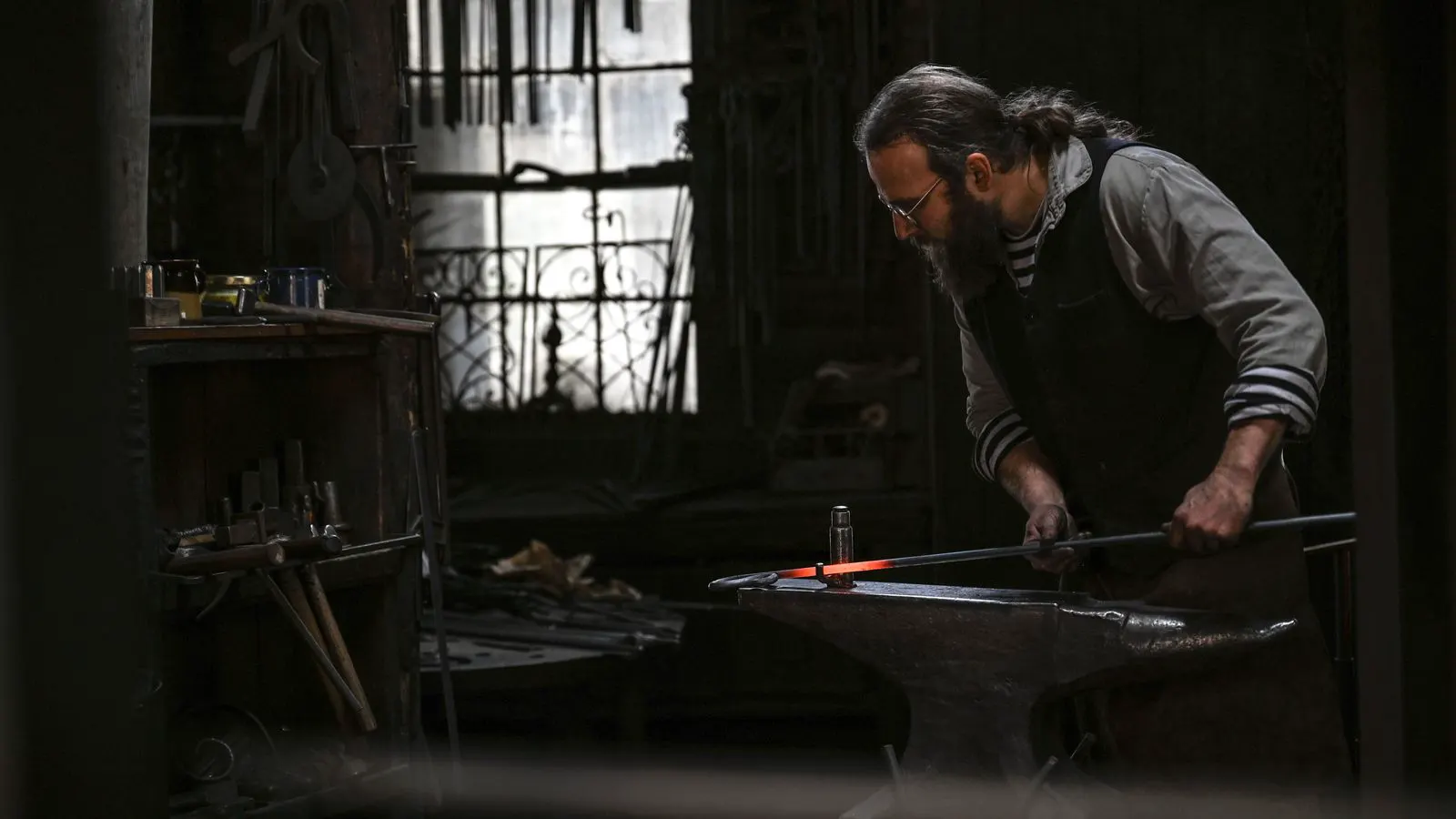
Forging cost small batch runs is higher per unit due to tooling amortization. High volume forging costs drop as die investment spreads across many parts. Buyers must align production volume with die type, material, and quality requirements.
- Small batch forging carries a higher per-unit cost because die setup and engineering fees are spread across fewer parts.
- High volume runs reduce unit price significantly as the one-time tooling investment is amortized over thousands of pieces.
- Die amortization impact depends on part complexity, material hardness, and expected production lifespan.
- Clear RFQ details, such as quantity, material, and tolerances, allow for fairer quote comparisons between suppliers.
- Lead time and cost must be evaluated together, especially when prototype tooling is required before full production.
How Volume Changes the Unit Price
The per-unit price of a forged part depends heavily on how many pieces you need. A small batch run, such as a few hundred units, usually carries a much higher unit cost than a production run of tens of thousands. The core reason is the fixed cost of tooling.
When you order a small quantity, the supplier must design the die, machine the tooling, and set up the press. These are one-time expenses. They do not shrink just because you order fifty units instead of five hundred. That fixed cost gets divided by the number of parts. In a small batch, that division results in a large per-unit charge. In a high volume run, the same fixed cost is divided by a much larger number, driving the unit price down.
This dynamic is why forging is often chosen for production parts. The initial investment is high, but the long-term savings on raw material, waste, and machining offset the tooling cost once volume increases.
The Role of Die Amortization
Die amortization is the calculation of how much of the tooling cost lands on each forged part. It is a critical factor in comparing quotes. If a supplier quotes a part at a low unit price but includes a high die fee, the total cost for a small batch may be higher than expected.
For high volume projects, die amortization impact becomes less severe per unit. If a die costs a significant amount to produce and you plan to forge 50,000 parts, the cost per part from tooling is small. If you only need 500 parts, the tooling cost becomes a major portion of the total.
Buyers should ask suppliers to break down the quote into three parts: die cost, setup cost, and per-unit forging cost. This transparency helps you see exactly where the money is going. It also helps you decide if a different die design, such as a semi-closed die, is worth the higher tooling cost for the specific part.
Cost Drivers in Forging
Several factors influence the final price, independent of volume. The table below lists the main drivers.
| Cost Driver | Description |
|---|---|
| Material | Alloy, grade, and raw material availability affect base cost. |
| Part Geometry | Complex shapes require more die complexity and longer cycle times. |
| Tolerances | Tighter tolerances may require post-machining or more precise die design. |
| Die Type | Open-die, semi-closed, and closed-die tools have different setup costs. |
| Quantity | The primary driver for unit price reduction through amortization. |
| Lead Time | Rush orders often command a premium over standard production schedules. |
Material choice is a major factor. Forged steel, aluminum, and titanium have different market prices and processing difficulties. Harder materials require more force from the press and more robust dies, which increases tooling cost. Part geometry also matters. A simple ring or block is cheaper to forge than a complex gear hub with internal features.
How to Write a Clear RFQ
A vague request for quotation leads to vague answers. When you ask for a quote, you must provide enough detail for the supplier to engineer the die and calculate the cost accurately.
A clear RFQ should include the following:
- Part Drawing: A 3D model or 2D drawing with dimensions and tolerances.
- Material Specification: The exact alloy and heat treatment requirements.
- Quantity: Both the initial prototype quantity and the expected annual production volume.
- Surface Finish: Any plating, coating, or sandblasting requirements.
- Inspection Requirements: Specific test methods, such as dye penetrant or hardness testing.
If you only provide a rough sketch and a quantity of “a few hundred,” the supplier will likely add a large contingency to the quote to cover potential changes. This inflates the price. Providing clear data reduces risk for the supplier and lowers your cost. It also allows you to compare quotes from multiple vendors on a level playing field.
Small Batch vs High Volume Trade-offs
Choosing between a small batch and a high volume run is not just about money. It is about risk and timeline. A small batch run is often the best way to validate a design. You can test the part in the final assembly and check for fit and function before committing to a large die investment.
However, small batch runs are expensive per unit. If your project has a tight deadline and a limited budget, a small batch may not be feasible. Conversely, high volume runs require confidence in the design. If the part design changes after the die is cast, you face significant rework costs.
Many buyers start with a small batch of 50 to 500 units to verify the process. Once the part is approved, they move to a high volume production run. This two-step approach balances cost and risk. It allows you to pay a premium for the initial validation but secure lower prices for the majority of the production.
Comparing Quotes Fairly
Suppliers may quote parts differently. One vendor might include the die cost in the unit price, while another lists it as a separate line item. To compare quotes fairly, you must normalize the data.
Ask each supplier for a total cost of ownership estimate. This should include the tooling cost, the setup cost, the per-unit cost, and the expected lifespan of the die. If one quote is lower but assumes the die will last only 10,000 hits, and another is higher but the die is rated for 100,000 hits, the second quote is often better for a long-term project.
Also consider lead time. A lower cost quote that takes three months to deliver may be less valuable than a higher cost quote that delivers in six weeks. Factor the cost of inventory holding and production downtime into your decision. The cheapest quote is not always the best quote.
Lead Time and Delivery
Lead time is a cost driver that is often overlooked. Die manufacturing is a process in itself. It involves design, simulation, casting or machining, heat treating, and testing. This can take weeks or months.
For small batch runs, the lead time is often shorter because the die may be simpler or reused from a previous project. For high volume runs, the die is custom-made for the part, increasing the lead time. If you need parts immediately, you may have to pay a premium for rush tooling or use an alternative process, such as machining, which is slower per unit but requires no die.
Plan your timeline accordingly. If your final assembly line depends on the forged parts, build the die lead time into your project schedule. Do not wait until the last minute to request tooling. Early engagement with the supplier allows for design optimization that can reduce both cost and time.
Final Considerations
The cost of forging is a balance between upfront investment and long-term savings. Small batch runs are useful for prototyping and low-volume needs, but the per-unit cost remains high. High volume runs unlock lower costs through die amortization, making forging a competitive choice for production parts.
Your decision should be based on total cost, not just unit price. Evaluate the die design, the material, and the expected lifespan of the tooling. Work closely with your supplier to refine the part design for manufacturability. A small change in the part geometry can reduce die complexity and lower the tooling cost.
By understanding these factors, you can make informed decisions that align with your production goals. You will be better prepared to negotiate, manage risk, and achieve the best value from your forging supplier.
Frequently asked questions
Why is a small batch of forged parts more expensive per unit than a large batch?
The fixed cost of die design and manufacturing is spread across fewer parts in a small batch, increasing the per-unit price. In a large batch, that same fixed cost is divided by a larger number of units, lowering the unit cost.
How long does it take to get a custom forging die?
Lead time varies based on part complexity and material. It typically takes several weeks to a few months from design approval to a finished, tested die. Rush services may be available but at a premium.
Can I reduce forging costs by changing the part design?
Yes. Simplifying internal features, increasing wall thickness, or changing the part orientation can reduce die complexity and cycle time. This often lowers both tooling cost and production cost.
Is it better to buy a die or rent it for small production?
For very low volumes, renting or using an existing die from a supplier may be cheaper. For medium to high volumes, owning the die is usually more cost-effective because the amortization cost per part decreases significantly.
How do I ensure the die will last long enough for my project?
Specify the expected hit count or production volume in your RFQ. Ask the supplier for the expected die life based on the material and part size. A die rated for a higher hit count may cost more upfront but has a lower long-term cost per part.