1018 vs 1045: Forging Carbon Steel Selection
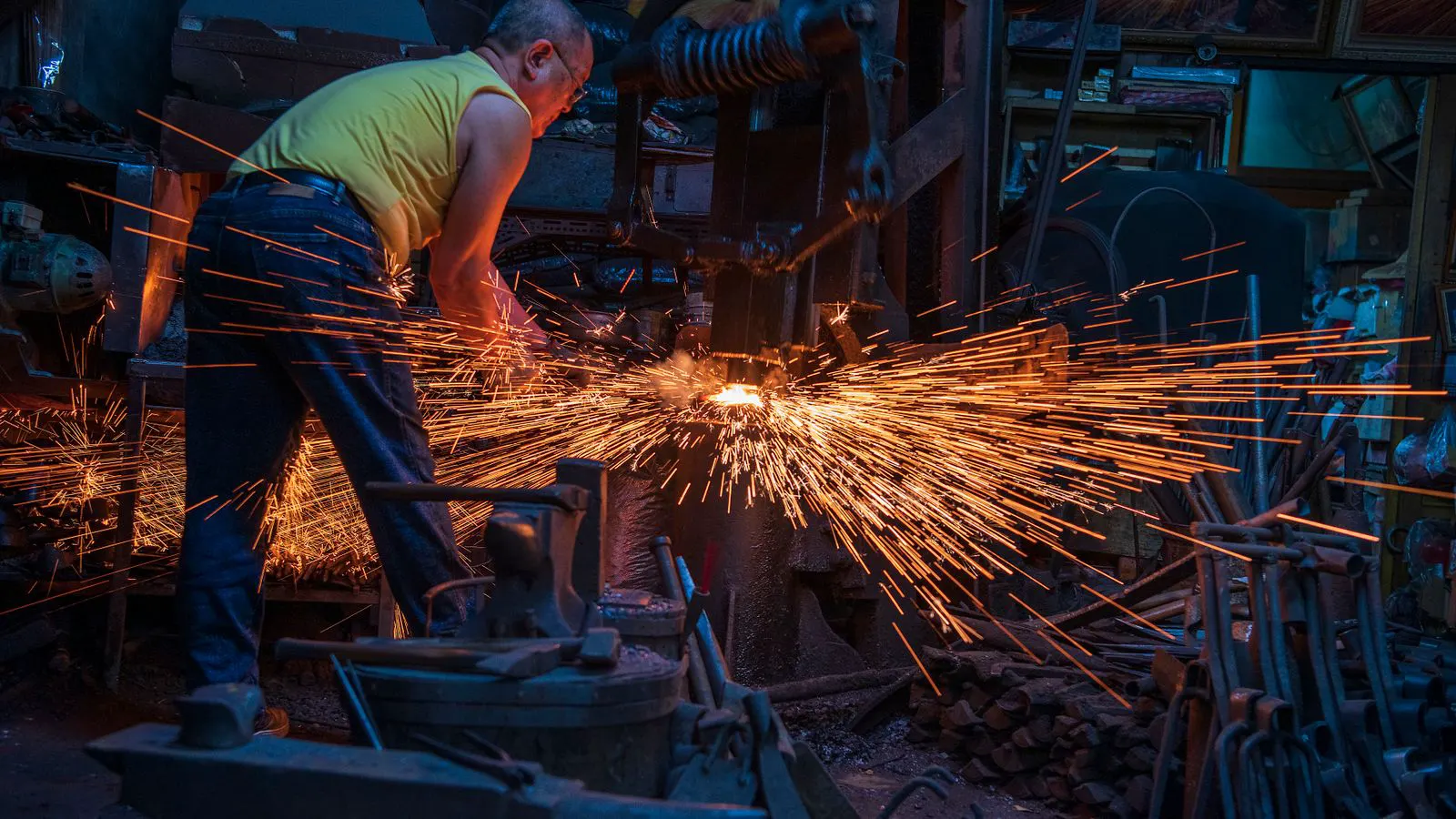
1018 suits high-volume, low-stress parts needing easy machining. 1045 handles higher loads and better fatigue. Choose based on yield strength, section thickness, and post-forging work.
- 1018 offers lower cost and superior machinability for thin sections and high production runs.
- 1045 provides higher yield strength and fatigue resistance for structural or load-bearing components.
- Match the grade to the required stress, not just the raw material name.
- Verify heat treatment specifications to ensure the final forging meets mechanical requirements.
Defining the Selection Criteria
Choosing between AISI 1018 and AISI 1045 starts with the mechanical demands of the final part. Both are carbon steels, but their carbon content dictates how they behave under load and how they respond to processing. 1018 is a low carbon steel. 1045 is a medium carbon steel. This difference changes the balance between strength, workability, and cost.
The decision is not always about the strongest material available. Sometimes it is about the material that can be forged, machined, and maintained within budget. Engineers and buyers must look at the stress levels the part will experience. They must also consider the thickness of the forging and the post-forging operations required.
For thin-walled components or high-volume production, the lower cost and easier machining of 1018 often win. For heavier structural parts or components subject to cyclic loading, the higher strength of 1045 is usually necessary. The right choice depends on the specific application and the manufacturing constraints.
Key Material Differences
The primary distinction between these two grades lies in carbon content. 1018 contains roughly 0.15 to 0.25 percent carbon. 1045 contains roughly 0.43 to 0.50 percent carbon. This small difference has a significant impact on the material properties.
1045 is harder and stronger than 1018 in the as-received or annealed condition. It can achieve higher yield and tensile strengths. This makes it suitable for parts that must resist deformation under heavy loads. 1018 is softer and more ductile. It deforms more easily during forging, which can simplify tooling for complex shapes.
Machinability is another major factor. Lower carbon steels like 1018 generally cut more easily. They require less power and produce less tool wear. 1045 is more resistant to cutting. It may require sharper tools or slower feed rates. For buyers, this translates to different machining costs and production times.
Comparison Table
The table below summarizes the trade-offs between the two grades. Use this as a quick reference when evaluating your specific part requirements.
| Option | Best for | Limitations |
|---|---|---|
| AISI 1018 (Mild Steel) | High-volume, low-stress parts; thin sections; easy machining | Lower yield strength; poor fatigue resistance; not ideal for heavy loads |
| AISI 1045 (Medium Carbon) | Structural components; high-load applications; fatigue-critical parts | Higher cost; harder to machine; more difficult to forge complex shapes |
| Heat Treated 1045 | High-strength, high-toughness applications | Requires strict heat treatment control; potential for brittleness if quenched incorrectly |
| Heat Treated 1018 | Slightly higher strength than as-received 1018 | Limited strength gain compared to 1045; often not worth the extra cost |
When to Choose 1018
Select 1018 when the part does not require high strength. If the component is primarily a housing, a bracket, or a low-stress structural element, 1018 is often sufficient. It is the standard choice for high-volume production where every dollar counts.
Thin sections are another strong indicator. Forgings with walls under a few millimeters are easier to produce from 1018. The lower carbon content allows for cleaner die filling and reduces the risk of cracking during forging. If your part has thin walls and complex geometry, 1018 may offer better yield rates.
Machinability drives a lot of cost in post-forging operations. If the part requires extensive machining, such as drilling, tapping, or turning, 1018 will generally be cheaper to process. The softer material wears tools less. This can reduce changeover times and improve production speed.
When to Choose 1045
Choose 1045 when the part must withstand significant force. Gears, axles, pins, and structural beams often require the higher yield strength of medium carbon steel. 1018 may deform or fail under these conditions. 1045 provides a safety margin that 1018 cannot offer.
Fatigue life is a critical consideration. Parts that experience repeated loading, such as engine components or machine tool frames, need materials that resist crack initiation. 1045, especially when heat treated, offers better fatigue resistance than 1018. The higher carbon content allows for proper hardening and tempering to achieve the right balance of hardness and toughness.
Thicker sections also favor 1045. As the cross-sectional area increases, the heat transfer during quenching becomes a concern. 1045 is designed to be heat treated effectively in larger sizes. 1018 can be heat treated, but the strength gains are limited. For thick parts, the cost difference between the two raw materials is less significant than the performance gain.
Heat Treatment Considerations
Heat treatment is where the true potential of 1045 is unlocked. 1018 is usually used in the as-forged or normalized condition. It does not benefit greatly from quenching and tempering. The carbon content is too low to create the martensitic structure needed for high strength.
1045, however, is a heat-treatable steel. Quenching and tempering can increase the hardness and strength significantly. This allows engineers to design lighter parts that still meet the required load capacity. For applications where weight is a factor, heat treated 1045 is a powerful option.
The heat treatment process requires strict control. Temperature ranges, quenching media, and tempering times must be precise. Deviations can lead to cracking or excessive brittleness. Buyers must ensure their forging supplier or heat treat shop follows the correct procedure. Documentation of the heat treatment process is essential for quality assurance.
Cost and Supply Considerations
Raw material cost is a major factor in the decision. 1045 typically costs more than 1018. This is due to the higher carbon content and the more complex refining process. For high-volume production, this difference can add up quickly.
Supply availability is usually not an issue for either grade. Both are standard carbon steels produced by major mills worldwide. However, specific alloying additions or heat treat specifications might affect lead times. Buyers should confirm availability with their suppliers before finalizing the design.
Processing costs also matter. Forging 1045 can be more challenging than 1018. The higher strength in the as-received condition may require more force to fill the die. This can increase tool wear and energy consumption. Machining costs are also higher for 1045. A detailed cost analysis should include all these factors.
Verification and Quality Control
Selecting the correct grade is only half the battle. Verifying the material is critical. Buyers should request mill certificates for every heat of steel. These documents confirm the chemical composition and mechanical properties.
Carbon equivalency is a key check. The carbon content must be within the specified range. Out-of-spec material can lead to unexpected behavior during forging or heat treatment. A small deviation in carbon can make a part fail.
Mechanical testing is also required. Tensile tests on coupon samples from the heat will confirm the strength and ductility. Hardness tests can verify the heat treatment process. Buyers should define these acceptance criteria in their purchase orders to ensure the material meets the design requirements.
Making the Final Decision
The choice between 1018 and 1045 is not about which steel is “better.” It is about which steel fits the application. 1018 is the workhorse for low-stress, high-volume parts. 1045 is the choice for high-load, fatigue-critical components.
Start with the stress requirements. If the part must withstand high forces, 1045 is likely the answer. If the part is low-stress and cost-sensitive, 1018 is the logical choice. Consider the section thickness and the machining requirements. These factors will influence the total cost and the ease of production.
Finally, ensure your supplier can verify the material. Request mill certificates and define your testing requirements. A well-chosen grade, properly verified, will deliver a part that performs as expected. A wrong choice, even if cheap, will lead to failure and costly rework.
Frequently asked questions
Is 1045 always stronger than 1018?
Yes, in the as-received and heat treated conditions, 1045 offers higher yield and tensile strength. However, 1018 is more ductile and easier to form.
Can 1018 be heat treated to match 1045?
No. 1018 has too little carbon to achieve the high strength of heat treated 1045. It is generally used in the normalized or as-forged condition.
Which grade is better for thin-walled forgings?
1018 is usually better for thin-walled parts. It is softer and more ductile, which helps with die filling and reduces cracking risk.
How do I verify the carbon content of my forging?
Request mill certificates that list the chemical composition. You can also send a sample to a lab for spectrometric analysis to confirm the carbon level.
What is the main cost difference between the two grades?
1045 costs more due to higher carbon content and processing. Machining costs are also higher for 1045 because it is harder to cut.


