Buyers Guide: Sourcing Forged Components for Industrial Systems
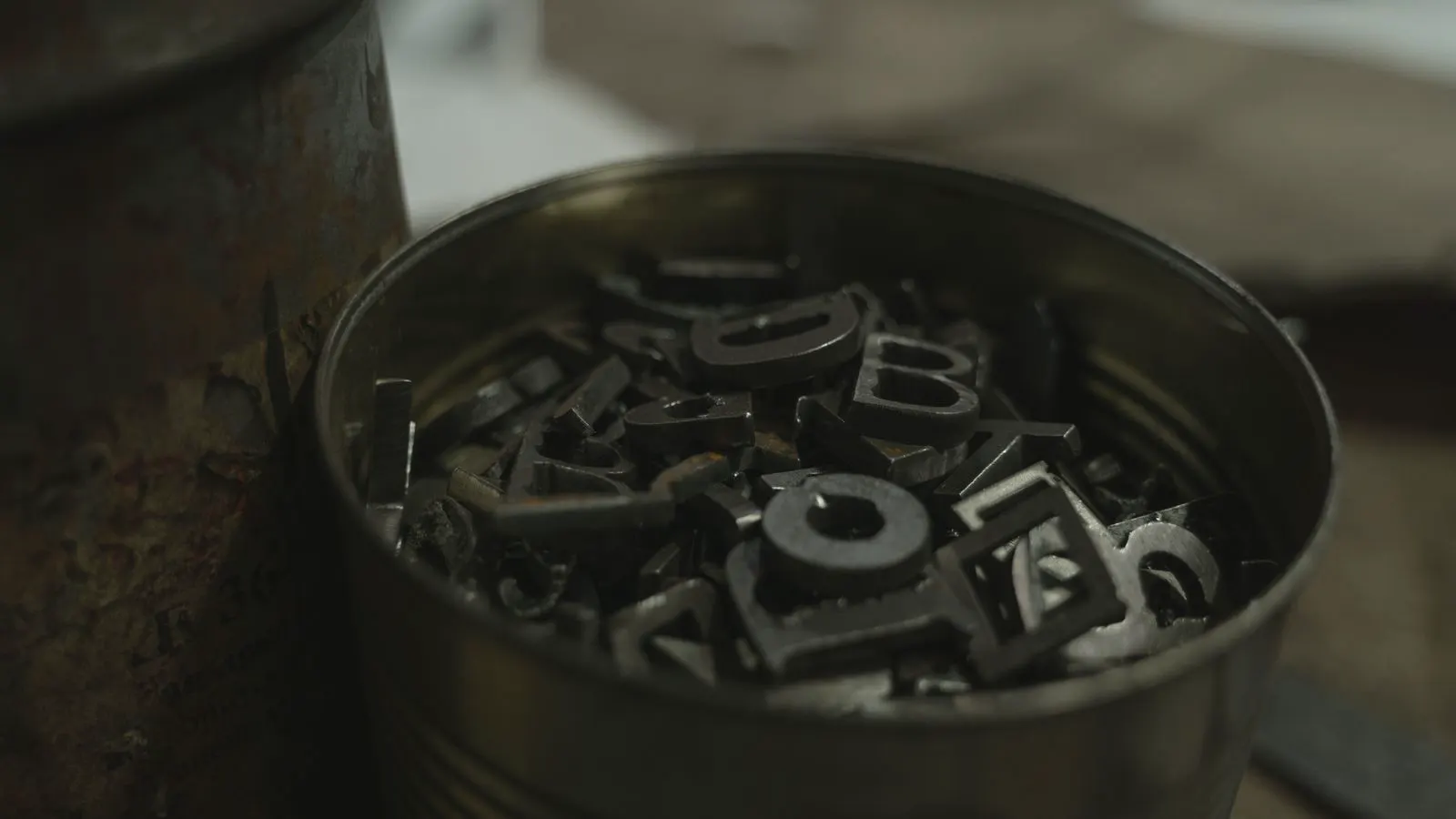
Sourcing forged components requires evaluating supplier capabilities, material traceability, and quality systems. This guide outlines the criteria for selecting reliable partners for industrial systems. It covers supplier selection, inspection methods, and documentation standards to reduce risk.
- Supplier selection hinges on material traceability, heat treatment capability, and documented quality systems.
- Define drawing tolerances and material specifications early to avoid rework and cost overruns.
- Require certified material test reports and non-destructive testing for high-stress applications.
- Build long-term relationships with suppliers who can scale volume and handle revisions.
- Use a decision checklist to standardize scoring during the final supplier review.
Why Forged Components Matter in Industrial Systems
Forged components handle stresses that cast parts cannot. Industrial systems rely on forged steel, nickel alloys, and titanium for gears, shafts, flanges, and structural brackets. The grain flow follows the part geometry, which improves fatigue life and fracture resistance. Buyers often face a gap between the theoretical strength of a forging and the actual part delivered. That gap appears in supplier selection.
A poor sourcing decision causes downtime. A part that fails under load can halt an entire production line. The cost of rework exceeds the cost of the raw material by orders of magnitude. Buyers need a structured method for evaluating suppliers before placing an order. This guide provides that method. It focuses on the practical checks that separate reliable partners from risky ones. You will find the criteria in the table below and the decision checklist at the end.
Defining the Technical Requirements Before Sourcing
The first step is internal alignment. Engineering must define the part geometry, material grade, heat treatment, and surface finish. The drawing is the contract. If the drawing is ambiguous, the supplier will guess. Guessing leads to rework.
Specify the material grade precisely. For structural steel, do not just say “high strength steel.” Name the ASTM or equivalent standard and the minimum yield strength. Specify the heat treatment process. Forging and heat treating are separate steps. Some suppliers forge but outsource heat treatment. Know which one you are buying.
Define the tolerances. A forging tolerance is not the same as a machined tolerance. If a critical surface must be machined after forging, state the stock allowance. This tells the supplier how much material to leave for machining. If you do not state it, the supplier will use their standard stock allowance. That standard may be too large, increasing cost, or too small, causing a machining failure.
Evaluating Supplier Capabilities
Supplier selection is a multi-step process. Do not rely on a single phone call. Assess the supplier across five dimensions.
- Capacity and equipment. Ask for a list of forging presses, hammer types, and die sets. Match the equipment to the part size and shape. A large press may not have the die space for a complex part.
- Material handling. Ask how they receive and store steel. Raw material must be tracked from mill certificate to finished part.
- Heat treatment capability. Ask for the furnace types and quenching media. Ask how they monitor temperature uniformity.
- Inspection and testing. Ask for their non-destructive testing methods. Visual, magnetic particle, and ultrasonic testing are common.
- Quality management. Ask for their quality manual and inspection records. A supplier with a documented quality system is easier to audit.
The table below summarizes the key criteria. Use it as a scoring sheet during the evaluation.
| Criterion | What to look for | Why it matters |
|---|---|---|
| Material Traceability | Full mill certificates and heat number tracking from raw bar to finished part. | Ensures the part meets the specified chemical composition and mechanical properties. |
| Forging Equipment | Press tonnage, die set availability, and hammer types matched to the part size. | Determines the structural integrity of the forging and the achievable lead time. |
| Heat Treatment | Furnace type, quenching medium, and temperature logging capability. | Controls the final mechanical properties and prevents internal cracking. |
| Inspection Methods | Non-destructive testing, dimensional inspection, and hardness verification. | Catches defects before the part reaches the customer and reduces failure risk. |
| Quality Documentation | CoC, CoA, test reports, and inspection records. | Provides the audit trail required for traceability and warranty claims. |
Understanding the Forging Process and Its Impact on Cost
Forging is not a single step. A typical process includes raw material receiving, preheating, forging, post-forging inspection, machining, heat treatment, and final inspection. Each step adds cost and lead time.
The number of forging steps is a major cost driver. A simple flange may require one blow. A complex shaft may require multiple upsets, tapers, and splits. Ask the supplier for a process plan. A process plan shows the number of operations and the equipment used. A long process plan signals higher cost and more opportunities for defect.
Lead time is often underestimated. Forging lead time includes die making, forging, machining, and heat treatment. Die making can take weeks. If the supplier uses an existing die, lead time is shorter. If a new die is required, lead time is longer. Ask for a realistic lead time based on the process plan. Do not accept a quote without a lead time.
Inspecting Quality and Verifying Material
Quality verification is the core of the sourcing process. You must verify that the part matches the specification. This requires documentation and physical checks.
Request the material test report. This document lists the chemical composition and mechanical properties of the raw steel. Match it to the material specified on the drawing. If the composition is off, the part will not meet the specification.
Request the heat treatment certificate. This document lists the austenitizing temperature, quenching medium, and tempering temperature. Match it to the required process. If the heat treatment is incorrect, the hardness and strength will be wrong.
Require non-destructive testing. For high-stress parts, request ultrasonic or radiographic testing. This catches internal porosity and inclusions. Porosity is a common defect. It can be invisible on the surface but weakens the part. If the supplier does not offer NDT, ask why.
Inspect the surface finish. Look for scale, cracks, and inclusions. A good forging has a clean surface with no cracks. Scale is normal. Cracks are not. If you see cracks, reject the part.
Managing Supplier Relationships and Risk
Supplier selection is not a one-time event. It is a relationship. A good supplier will communicate clearly, deliver on time, and fix problems quickly. A bad supplier will hide problems, miss deadlines, and blame the customer.
Set up a regular review process. Meet with the supplier quarterly. Review quality metrics, delivery performance, and cost trends. This keeps the relationship healthy and surfaces issues early.
Diversify your supplier base. Do not rely on a single supplier for critical parts. If one supplier fails, you have no backup. A second supplier can handle volume spikes or emergency orders. It also gives you a price benchmark.
Build a long-term relationship. A supplier who knows your requirements and your quality standards will deliver better parts. They will suggest improvements. They will flag risks before they become problems. A transactional relationship does not produce this level of support.
Decision Checklist for Final Selection
Use this checklist to make the final decision. Score each supplier from one to five for each item. A higher score indicates a stronger candidate.
- Material traceability is documented and verifiable.
- Forging equipment matches the part size and shape.
- Heat treatment capability meets the specification.
- Non-destructive testing is available and requested.
- Quality management system is documented and auditable.
- Process plan is clear and realistic.
- Lead time is achievable and agreed upon.
- Cost is competitive and transparent.
- Communication is clear and responsive.
- Supplier has a track record with similar parts.
A supplier who scores well on all items is a strong candidate. A supplier who scores poorly on any item is a risk. Address the risk or choose another supplier. Do not compromise on quality. A cheap part that fails is not cheap. It is expensive.
Common Mistakes in Sourcing
Buyers make the same mistakes again and again. Avoid them.
- Vague specifications. A vague drawing leads to a vague part. Define every requirement.
- Ignoring material traceability. Without traceability, you cannot verify the material.
- Underestimating lead time. Forging and heat treatment take time. Plan ahead.
- Skipping NDT. Internal defects are invisible. Test for them.
- Choosing the lowest price. Price is not the only factor. Quality and reliability matter more.
Avoiding these mistakes saves money and prevents downtime. A well-sourced forged component is a reliable part. A poorly sourced one is a risk.
Final Thoughts on Supplier Selection
Supplier selection is a structured process. It requires technical knowledge, clear documentation, and regular communication. Use the criteria in the table and the checklist above to evaluate suppliers. Do not rely on intuition. Use facts.
The goal is to find a partner who delivers parts that meet the specification, on time, and with full documentation. That partner is worth the investment. A reliable forged component is the foundation of a reliable industrial system. Choose the supplier who builds that foundation.
Frequently asked questions
How do I verify that a forged component meets the material specification?
Request the material test report and match it to the specified grade and mechanical properties. Verify the heat number against the raw material certificates.
What is the difference between forging and casting?
Forging shapes metal by compression, which aligns the grain flow and improves strength. Casting pours molten metal into a mold, which is faster but produces a less dense structure.
How much lead time should I expect for a forged part?
Lead time depends on the part complexity, die availability, and heat treatment requirements. A new die can add weeks. An existing die shortens the timeline.
Do I need non-destructive testing for all forged parts?
High-stress parts and parts for critical systems require NDT. Low-stress parts may not need it. Define the requirement in the drawing based on the application.
How do I handle a supplier that misses a deadline?
Review the contract and the root cause of the delay. Discuss corrective actions. If the supplier is unreliable, start the process of finding a backup supplier.