Forged vs Machined Steel Cost and Lead Time for Parts
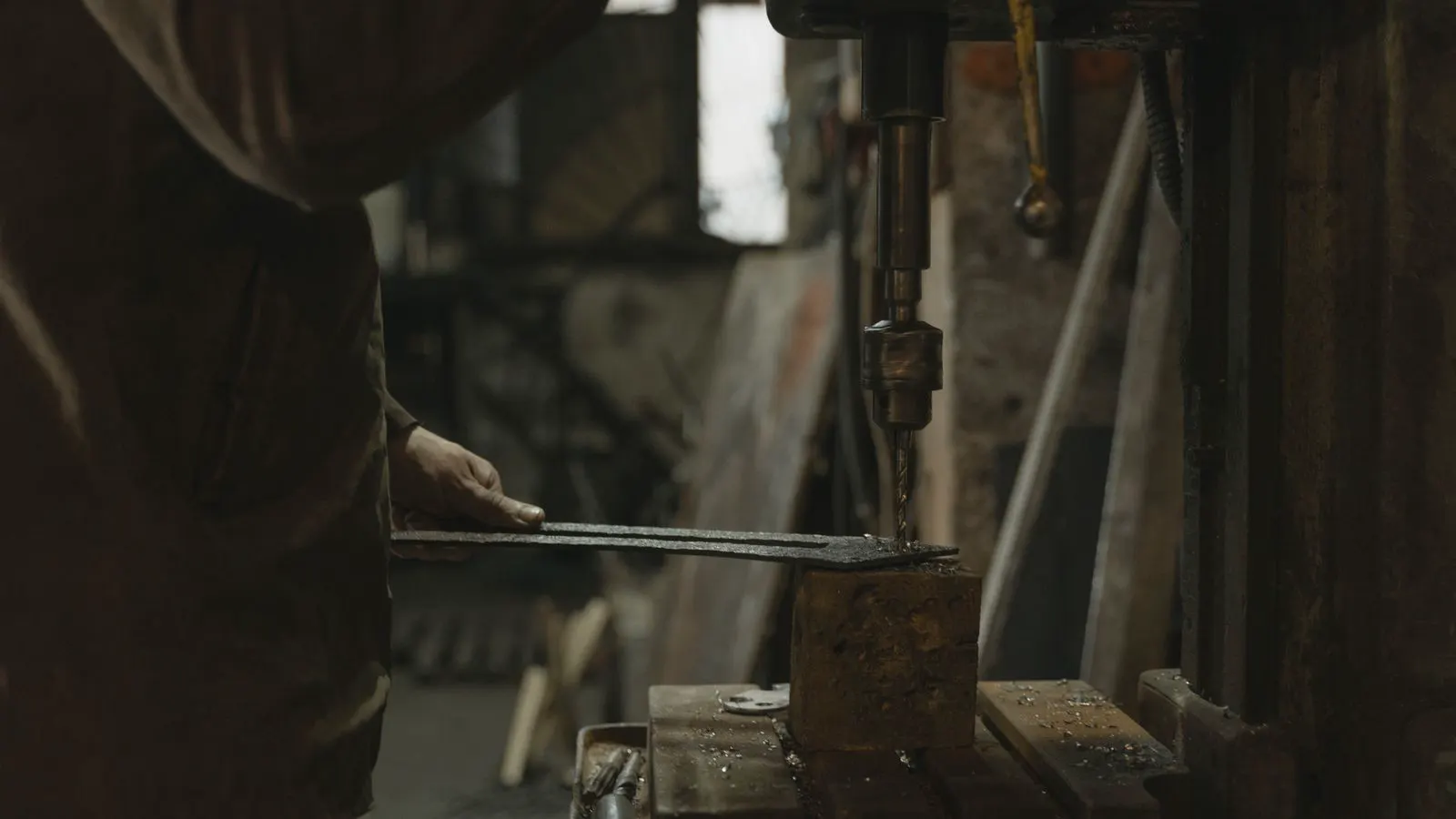
Forged steel parts usually have higher upfront costs but lower per-unit prices at scale, while machining offers faster prototyping. Lead time depends on volume, complexity, and supplier capacity. Evaluate both processes based on part function, tolerances, and production volume.
- Forging is generally more cost-effective for high-volume production due to reduced material waste and efficient material flow.
- Machining offers shorter lead times for prototypes and low-volume parts because it requires less specialized tooling and setup.
- Tolerances, material selection, and part geometry significantly influence both cost and delivery schedules.
- A clear RFQ with detailed specifications helps suppliers provide accurate quotes and realistic lead times.
What Drives Forging Cost and Lead Time
Forging cost is primarily driven by material usage, process complexity, and production volume. Unlike machining, which removes material from a solid block, forging shapes metal by compressing it through dies. This process preserves the grain structure and uses less material, which can reduce raw material costs over time. However, the initial investment in die fabrication and setup can be significant.
Lead time for forged parts depends heavily on volume and die complexity. For small production runs or custom dies, the lead time is longer due to the time required for die design, manufacturing, and qualification. Once dies are established, production speed increases, reducing the per-unit lead time.
How Machining Affects Cost and Lead Time
Machining involves cutting material to achieve desired dimensions. It is highly flexible and can be used for prototyping, low-volume production, or parts with complex geometries that are difficult to forge. However, machining removes material, leading to higher raw material costs and increased waste.
The cost of machining is driven by the amount of material removed, the complexity of the tool paths, and the precision required. Lead times for machined parts are generally shorter for low-volume runs because they do not require the same level of die investment. As volume increases, the cumulative cost of machining can exceed that of forging.
Key Factors Influencing Steel Part Pricing
The pricing of steel parts depends on several factors that apply to both forging and machining. Understanding these factors helps buyers make informed decisions when comparing quotes.
- Material Type: Higher-grade steels, such as alloy or stainless, are more expensive than carbon steel. Material availability and market fluctuations also affect pricing.
- Part Geometry: Complex shapes with undercuts or thin walls require more processing time and specialized tooling, increasing costs.
- Tolerances: Tighter tolerances demand more precise processes and additional inspection, which can raise both cost and lead time.
- Surface Finish: Specific surface finish requirements may necessitate additional machining or polishing, adding to the final price.
- Production Volume: High volumes reduce per-unit costs due to economies of scale, while low volumes carry higher per-unit costs due to setup fees.
How to Write a Clear RFQ for Forged or Machined Parts
A clear Request for Quotation (RFQ) is essential for obtaining accurate and comparable quotes. Ambiguity in specifications can lead to multiple rounds of revisions, increasing both cost and lead time.
When writing an RFQ, include the following details:
- Part Drawings: Provide 2D or 3D drawings with all critical dimensions, tolerances, and GD&T (Geometric Dimensioning and Tolerancing) specifications.
- Material Specifications: Specify the exact steel grade, heat treatment requirements, and any relevant standards.
- Quantity: State the expected production volume, including prototype and production runs.
- Surface Finish: Detail any required surface finish, such as mill scale, grinding, or coating.
- Inspection Requirements: Specify any third-party inspection or material certification requirements.
- Lead Time: Request a breakdown of lead time for tooling, prototyping, and production.
How to Compare Quotes Fairly
When comparing quotes from multiple suppliers, it is important to ensure that all quotes are based on the same specifications and assumptions. Differences in material grade, tolerances, or surface finish can lead to misleading comparisons.
To compare quotes fairly:
- Verify Material Grade: Ensure all suppliers are using the same steel grade and heat treatment specification.
- Check Tolerances: Confirm that all quotes include the same level of tolerance and surface finish.
- Analyze Tooling Costs: For forging, ask if tooling costs are included in the quote. For machining, verify if fixture costs are included.
- Review Lead Time Breakdown: Request a detailed lead time schedule, including tooling, prototyping, and production.
- Consider Total Cost of Ownership: Factor in potential rework, inspection, and logistics costs when evaluating the total cost.
Forging vs Machining Steel Parts: Cost and Lead Time Comparison
The following table outlines the typical cost and lead time drivers for forging and machining steel parts.
| Factor | Forging | Machining |
|---|---|---|
| Material Waste | Low, due to compressive shaping | High, due to material removal |
| Tooling Cost | High, due to die fabrication | Low to moderate, due to cutting tools |
| Setup Time | Longer, due to die installation and calibration | Shorter, due to simpler setup |
| Production Speed | Faster at high volumes | Slower at high volumes |
| Tolerance Capabilities | Generally less precise, may require post-machining | High precision, suitable for tight tolerances |
| Lead Time | Longer for prototypes and low volumes | Shorter for prototypes and low volumes |
Choosing Between Forging and Machining
The decision between forging and machining depends on the specific requirements of the part. Forging is typically preferred for high-volume production of parts with simple geometries, where material efficiency and grain structure are critical. Machining is often chosen for prototyping, low-volume production, or parts with complex features that are difficult to forge.
In many cases, a hybrid approach is used. Forged blanks are machined to achieve final dimensions and tolerances. This combines the material efficiency of forging with the precision of machining. Engineers and buyers should evaluate the functional requirements, production volume, and budget constraints before selecting the appropriate process.
Final Considerations
When selecting between forging and machining for steel parts, consider the long-term production needs. Forging offers cost advantages at scale, while machining provides flexibility for low-volume and complex parts. By understanding the cost and lead time drivers and writing a clear RFQ, buyers can make informed decisions and ensure that their parts meet functional and budget requirements.
Frequently asked questions
Is forging cheaper than machining for low-volume production?
For low-volume production, machining is often cheaper due to lower tooling costs. Forging becomes more cost-effective as production volume increases.
How does material grade affect forging cost?
Higher-grade steels, such as alloy or stainless, are more expensive than carbon steel. Material availability and market fluctuations also affect pricing.
Can forged parts meet tight tolerances?
Forging alone typically cannot achieve very tight tolerances. Many forged parts undergo post-machining to meet final dimensional requirements.
What is the typical lead time for forged steel parts?
Lead time depends on volume and die complexity. Small production runs or custom dies have longer lead times due to die design and qualification.
How can I compare quotes from different suppliers fairly?
Ensure all quotes are based on the same specifications, including material grade, tolerances, and surface finish. Verify tooling costs and request a detailed lead time breakdown.