
Choosing a Forging Supplier
Outlook: Additive Manufacturing in Forging Tooling
Additive manufacturing forging tooling is moving from prototypes to production. Buyers should plan for shorter tooling cycles, new material checks, and updated supplier

Step-by-step guidance on evaluating forging suppliers, covering capabilities, certifications, quality systems, and communication.
Additive manufacturing forging tooling is moving from prototypes to production. Buyers should plan for shorter tooling cycles, new material checks, and updated supplier
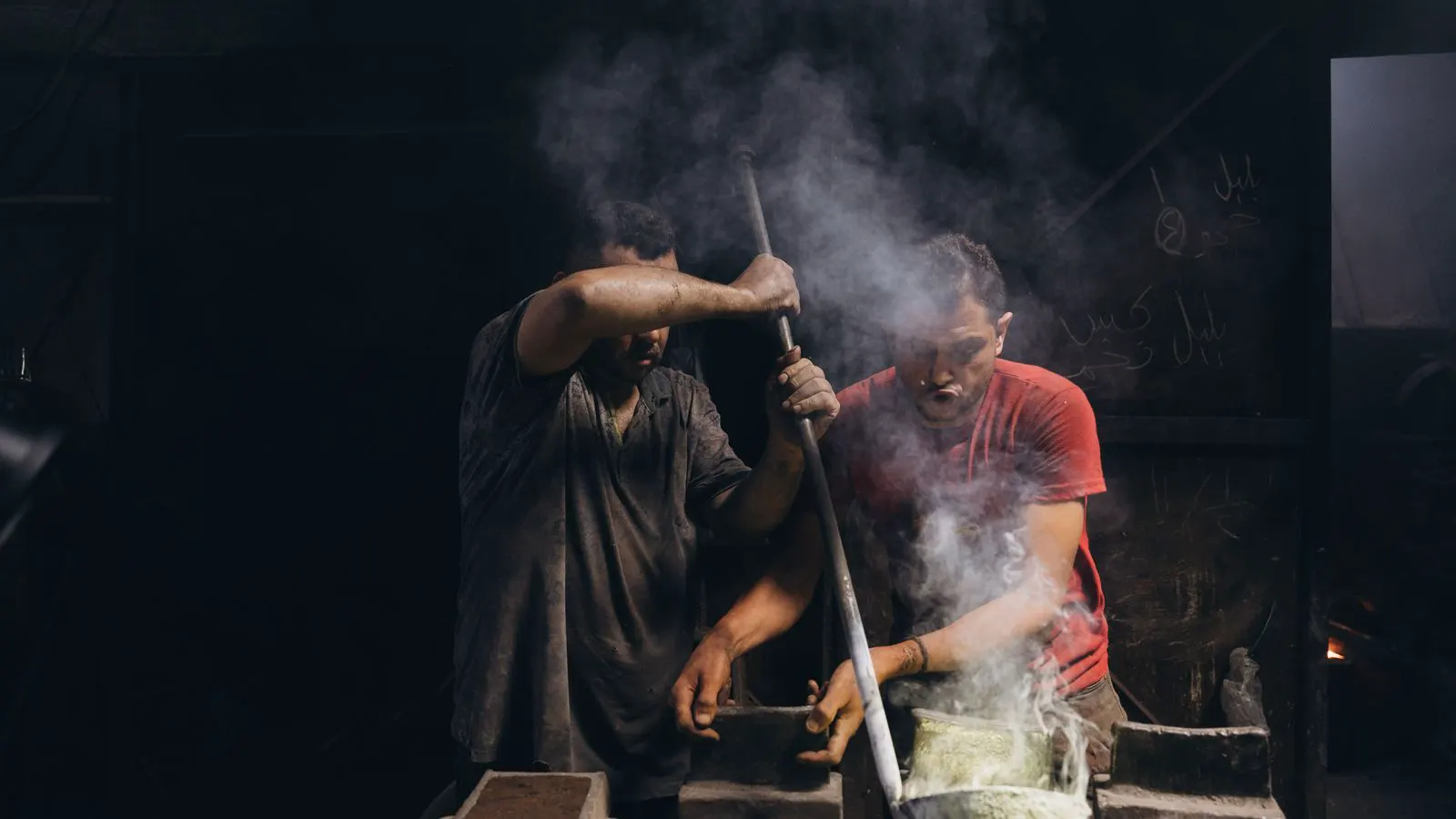
To verify forging NDT accreditation, confirm the lab holds an active ISO 17025 certificate for the specific testing method, check the scope of competence, and review the
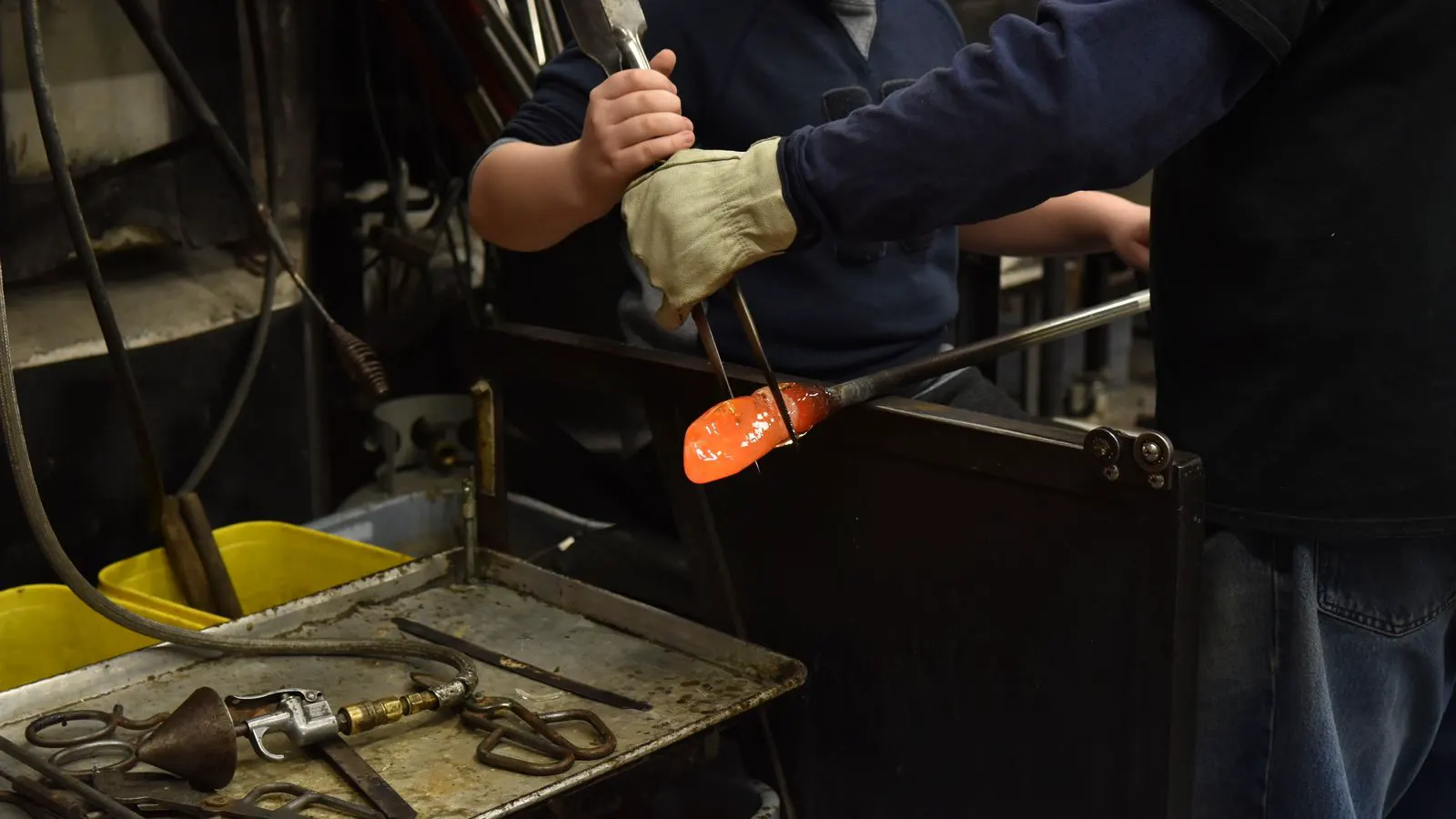
Open die forging uses flat dies and is best for bar stock, while closed die forging uses matching dies for precise shapes. The choice affects cost, material waste, and
Importers should prepare for digital heat tracking, sensor integration, and blockchain records. This outlook highlights five shifts to plan for, covering data standards
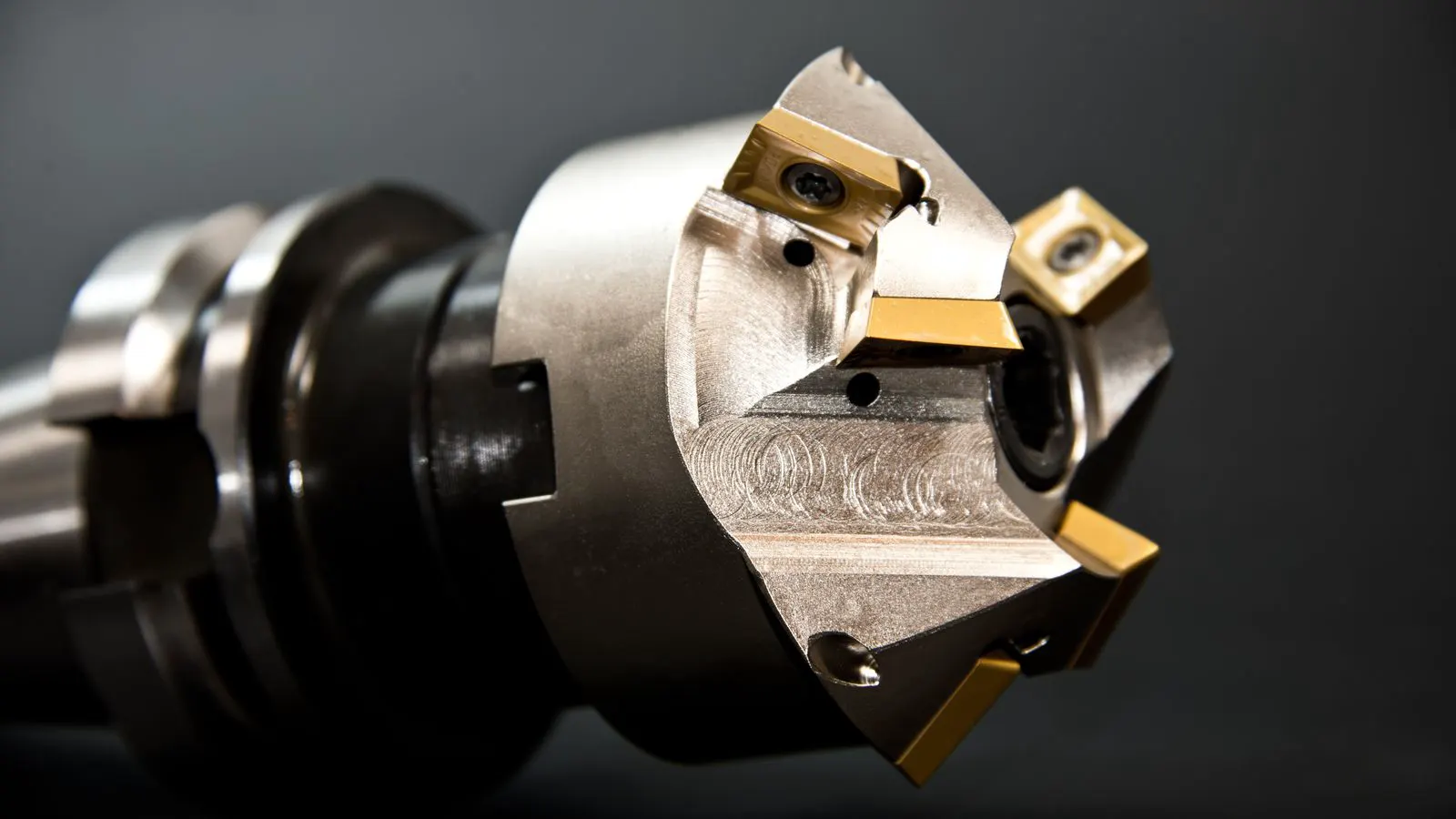
Forging post-processing cost depends on the balance between material removal and surface finish requirements. CNC machining removes excess material efficiently for

To choose the right lab, verify their equipment, certifications, and reporting standards. Match their testing capabilities to your part's material and critical features.
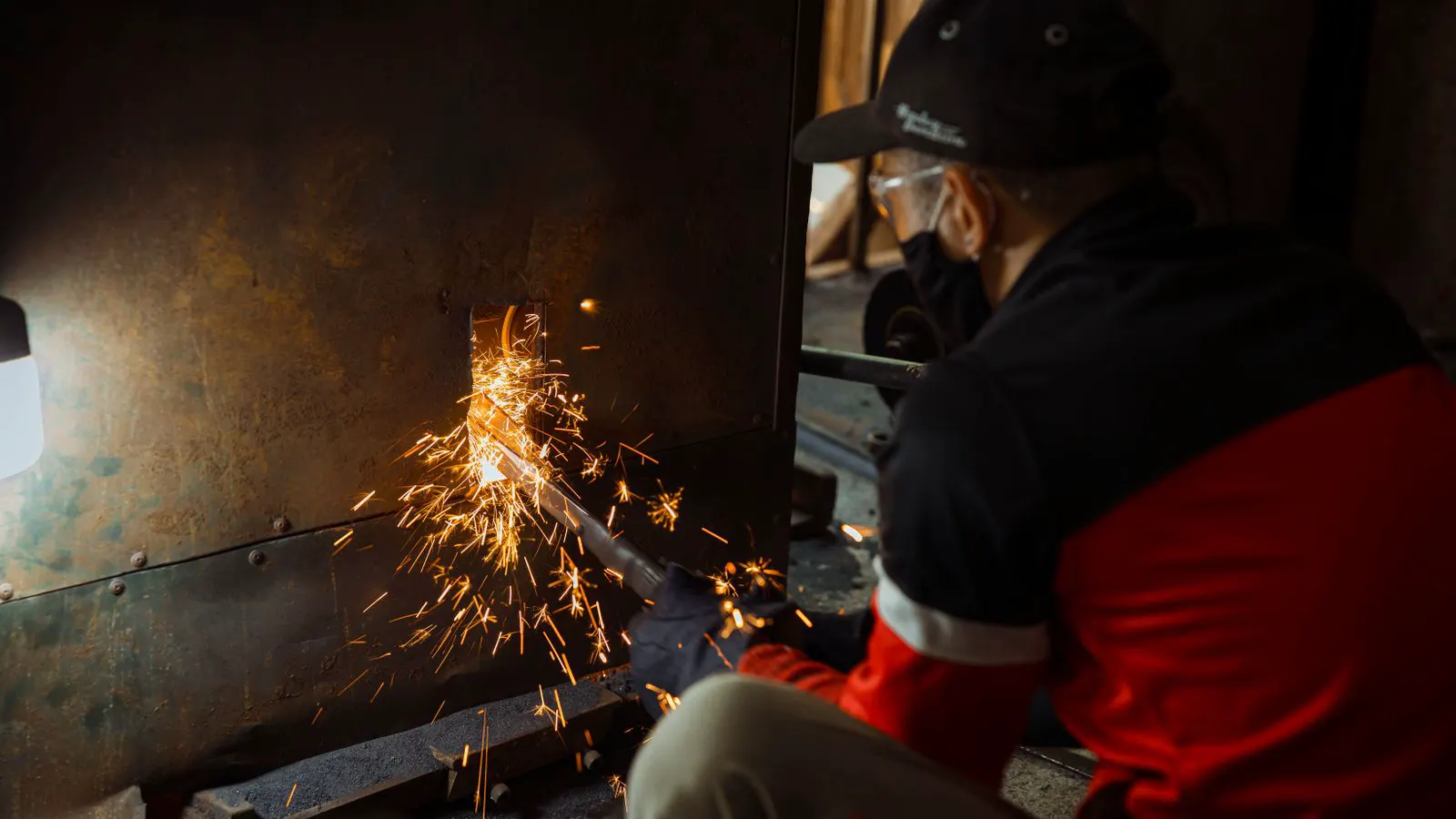
To audit a forging supplier's heat treatment, verify furnace calibration, log continuity, and hardness results. Use a structured supplier audit process that checks
Forging dimensional shift happens when parts go out of spec due to die wear, thermal distortion, or material variation. This guide lists common symptoms, likely causes
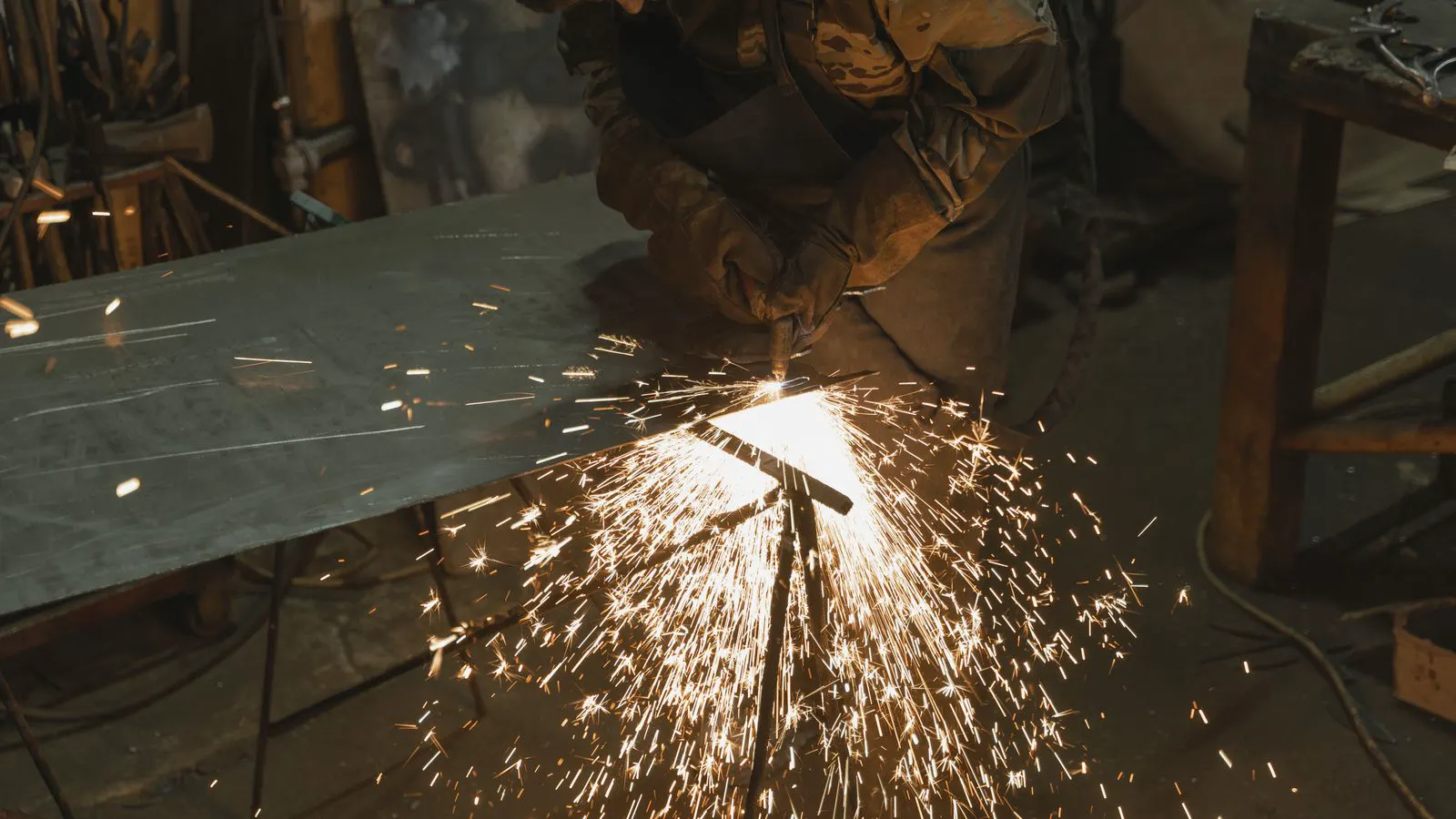
To select a forging supplier for complex alloy components, evaluate metallurgical expertise, heat treatment capability, inspection standards, and previous performance.

Assess forging supplier capacity and reliability before placing orders. This checklist covers production volume, material stock, quality systems, lead times, and
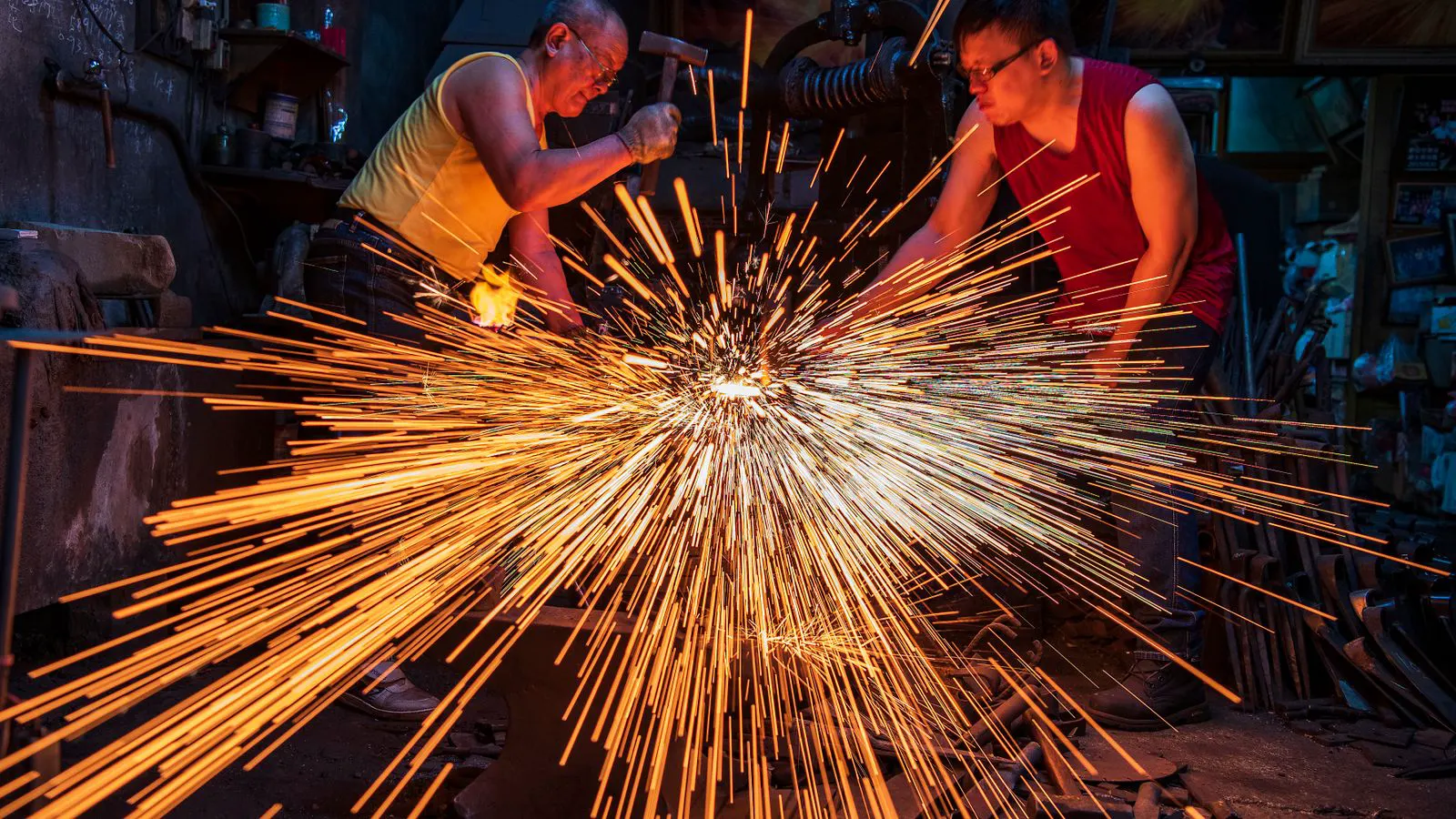
Forging cost depends on material type, die complexity, and production volume. These factors determine price per part and delivery timelines. A clear RFQ and fair
Define forging tolerances by matching each dimension to its functional role and process capability. Use clear dimensional specs and part requirements to prevent