Outlook: Additive Manufacturing in Forging Tooling
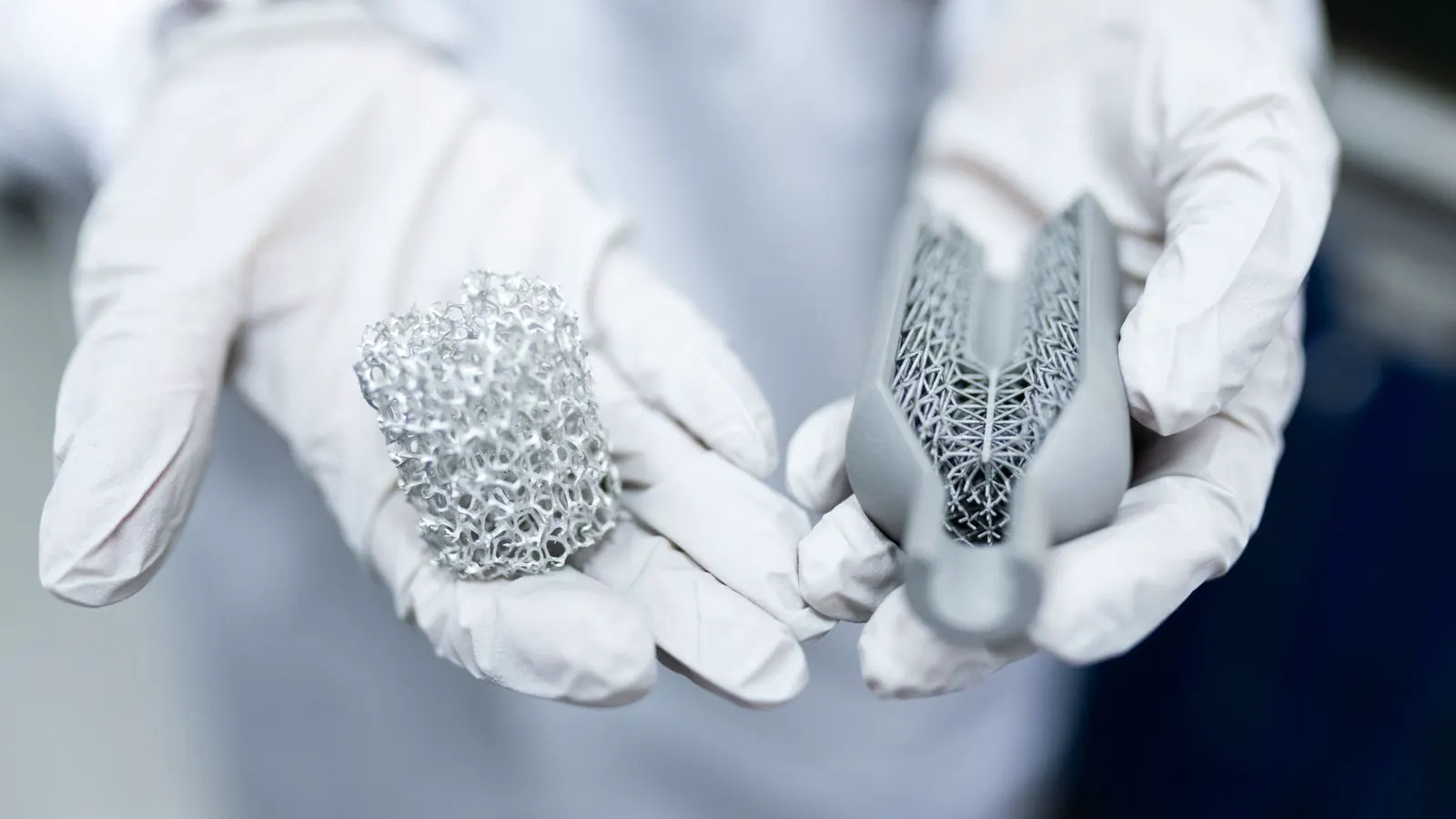
Additive manufacturing forging tooling is moving from prototypes to production. Buyers should plan for shorter tooling cycles, new material checks, and updated supplier qualifications. This guide covers five shifts and how to prepare.
- Additive manufacturing changes how forging dies are designed and produced, especially for complex geometries and low volume work.
- Buyers must update qualification criteria to include new material checks and supplier capabilities.
- Tooling development cycles will shorten, but quality control must adapt to new production methods.
- Expect a hybrid approach where additive and subtractive methods work together for years to come.
- Prepare by updating supplier scorecards and specifying new acceptance criteria in purchase orders.
How additive manufacturing changes forging tooling development
Additive manufacturing forging tooling is moving beyond experimental use. It is entering the production mix for forging dies. This shift affects how buyers approach tooling development, supplier selection, and quality control. The change is not just about speed. It changes design freedom, material behavior, and inspection requirements.
The core difference is in how material is added. Traditional forging dies are machined from solid blocks of steel. Additive processes build the tool layer by layer. This allows features that are hard or impossible to machine. Internal cooling channels can be placed exactly where heat is a problem. Complex part geometries can be reproduced without secondary operations. For low volume work, the economics favor additive. For high volume work, the picture is more complex.
Consider a die for a complex automotive bracket. In a traditional workflow, the engineer designs the cavity, the supplier buys a blank of tool steel, and the machine shop cuts the cavity out. If the engineer wants a cooling channel to prevent hot spots, the channel must be accessible from the surface. If the channel needs to run deep inside the die to cool a specific corner of the part, the drill bit cannot reach it without destroying the die. Additive manufacturing removes that constraint. The channel can be printed from the inside out. The buyer can specify a channel path that follows the thermal load of the part. This changes the engineering conversation. The engineer is no longer limited by drill bit diameter or tool access. They are limited by the minimum feature size of the printer and the thermal constraints of the alloy.
Which die types are ready for additive manufacturing
Not every forging die is a good candidate for additive production. The shift is happening in specific categories first.
| Die Type | Additive Suitability | Typical Buyer Consideration |
|---|---|---|
| Low volume, complex part dies | High | Shorter tooling time, lower initial cost |
| Internal cooling channel dies | High | Heat dissipation, fatigue life |
| Prototype and trial dies | High | Fast iteration, design validation |
| High volume production dies | Medium | Cost per cycle, tool life, material consistency |
| Simple geometric dies | Low | Machining remains more cost effective |
The table shows where the technology fits best. Low volume and complex work sees the clearest benefit. A buyer producing a small batch of aerospace brackets can save weeks on tooling. A buyer running a continuous production line for automotive fasteners will still rely on machined tooling for the main dies.
Additive manufacturing forging tooling is not replacing machining. It is adding a tool. The smart approach is to match the method to the part.
Take the prototype die. A buyer developing a new transmission housing needs a die to test the forging parameters. The part is complex, with deep pockets and thin walls. The buyer needs to forge fifty parts to validate the design. A machined die would take four to six weeks to produce. The cost of that die would be high relative to the value of the fifty test parts. An additive die can be produced in a fraction of that time. The buyer can print the die, forge the fifty parts, and if the design fails, print a new die with the correction. The cost of failure is contained. This is the primary driver for adoption.
For high volume production dies, the economics are different. A die that runs for millions of cycles must be extremely tough. It must resist wear and cracking. Machined tool steel is well understood. The grain structure is controlled by forging and heat treatment. Additive materials have a different grain structure. The layers create a distinct orientation. While modern alloys are improving, the long-term behavior under millions of heavy impacts is still being tested. Most high volume buyers will wait until the data is more robust. They will use additive for the prototype and low volume runs, but they will likely stick with machining for the high volume production die. This is a practical reality. It is not a lack of capability. It is a risk management decision.
How die design changes with 3D printed forging dies
Design freedom is the main driver. When a die is machined, the tool path limits what the engineer can draw. Additive processes remove many of those limits. Engineers can place cooling channels directly inside the die. These channels lower the temperature during the forging cycle. Lower temperature means better metal flow. Better metal flow means less cracking. It also means the die lasts longer.
This changes the design review process. A buyer should ask suppliers how they handle thermal stress in printed tools. The material properties of additive forging tooling can differ from conventional steel. The layer structure creates a different grain pattern. This affects fatigue life and wear resistance. A printed die may not behave exactly like a machined one under repeated heavy loads.
The design phase becomes more iterative. Engineers can print a small test die quickly. They can forge a few parts and check the results. If the design is wrong, they can fix it and print again. This reduces the risk of a full production tool being wrong. For buyers, this means more design iterations in the early stages. The purchase order should reflect this. Instead of a single fixed design, the contract should allow for design changes during the tooling phase.
Consider a die for a complex valve body. The internal geometry is intricate. In a machined die, the engineer must design the die so that the machine tool can reach every surface. This often leads to compromises. The engineer might make a corner slightly larger than the part requires to allow for a larger drill bit. Or they might avoid a deep undercut. In an additive die, the engineer can match the part geometry exactly. The cooling channels can be placed in the thickest areas of the die. The buyer can run a thermal simulation that accounts for the specific geometry of the cooling system. The result is a die that forges the part more consistently. The parts have fewer defects. The die wears more evenly.
The material behavior is a key concern. Additive materials are often powder-based alloys. The powder quality, the laser energy, and the build orientation all affect the final properties. A supplier must provide data on the specific material used. The buyer should not assume that a material with a certain alloy designation behaves identically in an additive process as it does in a cast or forged form. The microstructure is different. The fatigue limit may be lower. The impact resistance may be different. The buyer needs to verify these properties for the specific application.
What buyers must change in supplier qualification
The supplier landscape is shifting. A forging supplier who only machines dies may not have the capability for additive work. A supplier with additive capability may not have the full forging process knowledge. Buyers need new qualification criteria.
The first area is material verification. Additive forging tooling often uses different alloys than traditional tool steel. The buyer should require test certificates for the printed material. These should cover composition, mechanical properties, and layer adhesion. The standard test methods for machined tool steel may not apply directly to printed tools. The supplier must explain how they test the printed material.
The second area is post processing. Most additive dies require post processing. The printed tool may need stress relief heat treatment. It may need surface finishing or machining of the striking surface. The buyer should ask what post processing steps are included. This affects cost and lead time. A printed die that needs extensive machining loses some of the speed advantage.
The third area is tool life tracking. Traditional dies have established life expectations. Additive dies are newer. A supplier should provide data on tool life for specific applications. If the supplier has no data, they should offer a trial period. The buyer should track cycle counts and inspect the die after set intervals. This builds a baseline for future orders.
A critical part of supplier qualification is the post processing step. The raw printed die is not ready for the forging press. The surfaces are rough. The geometry may have minor deviations from the digital model. The buyer must ask if the supplier includes machining of the striking surface in the price. If the supplier only provides the printed die, the buyer may need to send it to a machine shop for finishing. This adds cost and lead time. It also adds a risk of error. If the machine shop does not understand the material properties of the additive alloy, they may use the wrong cutting parameters. This can damage the die. The buyer should require that the post processing be done by the same supplier who printed the die, or by a certified partner who understands the material.
Another area of qualification is the simulation capability. Additive dies are often designed with thermal and stress simulations. The supplier should be able to provide these simulations to the buyer. The buyer can use this data to verify that the cooling channels are placed correctly. They can verify that the die will not crack under the expected thermal load. This data is valuable. It should be part of the deliverables. If the supplier cannot provide simulation data, the buyer is flying blind. The risk of die failure increases.
How to prepare your supply chain for this shift
Buyers should start preparing now. The changes are gradual, but the planning work is immediate.
- Update supplier scorecards to include additive capability.
- Review current tooling contracts for flexibility in design changes.
- Identify which parts in your portfolio would benefit from additive dies.
- Develop acceptance criteria for printed tool materials.
- Qualify at least one supplier with additive forging tooling capability.
The first step is the scorecard. If you do not track additive capability, you will not see it when you need it. The supplier may have it, but you will not know. The second step is contract review. Fixed design contracts do not fit the iterative nature of additive tooling. You need clauses that allow design changes during the tooling phase.
The third step is part selection. Not every part needs an additive die. Look at your portfolio. Identify parts with complex geometry, low volume, or high internal stress. These are the best candidates. For a buyer producing a small batch of complex brackets, an additive die can save weeks. For a buyer running a high volume line, the savings may not justify the switch.
The contract review is often overlooked. Most tooling contracts are written for a fixed design. The buyer approves a drawing, the supplier builds the die, and the die is delivered. There are no provisions for changes. If the buyer realizes that the cooling channel needs to be moved after the first test forge, the supplier will charge for a rework. This is expensive. It may take weeks. With additive tooling, the design can be changed digitally and reprinted quickly. The contract should reflect this. It should allow for a number of design iterations during the tooling phase at a defined cost. This protects the buyer from unexpected rework costs.
The part selection process requires a clear analysis. The buyer should list all active parts. For each part, they should note the production volume, the complexity of the geometry, and the current tooling status. They should identify parts that are currently using low life dies. They should identify parts that have a long lead time for new tooling. These are the parts where additive tooling offers the most value. The buyer should not try to switch everything at once. They should pick one or two parts to pilot. This limits the risk. It allows the buyer to learn the process without disrupting the entire supply chain.
The future of die manufacturing is hybrid
The future of die manufacturing is not one method replacing another. It is a hybrid approach. Buyers will use additive manufacturing for tooling development and low volume production. They will use machining for high volume production dies. The two methods will work together.
This hybrid model changes the relationship with suppliers. A supplier must be able to manage both methods. They need to know when to use each one. A good supplier will recommend the best method for each part. They will not just sell the new technology. They will match the method to the application.
Buyers should look for suppliers who can handle the full cycle. This includes design, printing, post processing, and tool life tracking. The supplier must understand the forging process, not just the printing process. A die that prints well but does not forge well is a failed die.
The shift is already happening. The question is not if, but when. Buyers who prepare now will have options. Buyers who wait will react to a limited supplier base. The additive manufacturing forging tooling market is growing. The suppliers with the most experience will be in high demand.
The practical step is to start small. Qualify one supplier. Run a trial. Track the results. Build the data. This gives you the confidence to expand. It also gives you the data to negotiate better terms. The future of die manufacturing is here. The buyers who understand the shift will get better tools, shorter cycles, and lower risk.
A buyer who adopts this hybrid approach will find that the two methods complement each other. The additive die serves as a rapid prototyping tool. It allows the engineer to validate the design quickly. The machined die serves as the production workhorse. It provides the durability and consistency needed for high volume output. The buyer can use the additive die to test a new design, then use the data from that trial to design a better machined die. This creates a feedback loop that improves the product and the process. The buyer is not stuck with one method. They have a choice. This choice is a significant advantage in a competitive market. It allows the buyer to respond to changing demand and to develop new products faster. It also reduces the risk of investing in expensive tooling for a part that may not succeed in the market. The key is to understand the strengths and limitations of each method. The buyer must be willing to work with suppliers who can provide both. The relationship must be based on technical partnership, not just price. The supplier who can explain why a part should use an additive die or a machined die is the supplier the buyer should choose.
Frequently asked questions
Can additive manufacturing replace traditional machining for all forging dies?
No. Additive manufacturing is best for complex, low volume, or prototype dies. High volume production dies still benefit from traditional machining. The hybrid approach is the standard for most buyers.
What is the main quality risk with 3D printed forging dies?
The main risk is material consistency. Additive forging tooling has different grain structure than machined steel. This affects fatigue life and wear. Buyers must require material test certificates and track tool life.
How long does it take to qualify an additive die supplier?
Qualification time depends on the supplier and the application. A basic qualification may take a few weeks. A full production qualification with tool life data may take longer. Start with a trial order to build the data.
What should I specify in a purchase order for an additive die?
Specify the material, post processing steps, and acceptance criteria. Include a design change clause for the tooling phase. Require material test certificates and a tool life tracking plan.
When should a buyer start using additive manufacturing for tooling?
Start when you have a part that is complex, low volume, or has a long tooling lead time. These are the areas where additive provides the clearest benefit. Do not switch for simple, high volume parts.


