Forging Cost Factors: Material, Die, and Volume Impacts
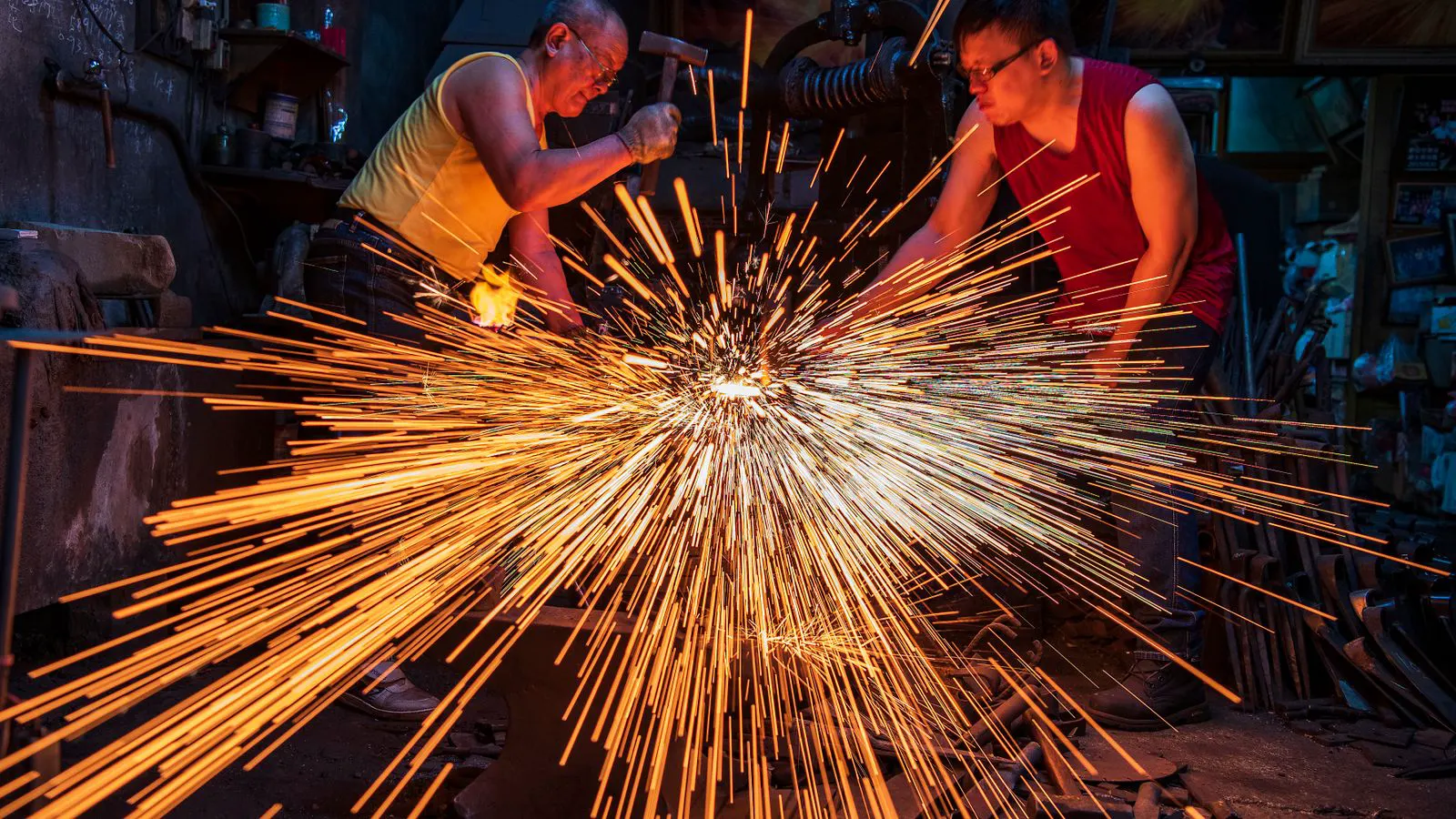
Forging cost depends on material type, die complexity, and production volume. These factors determine price per part and delivery timelines. A clear RFQ and fair comparison of quotes reveal the true total cost of ownership.
- Material choice and die complexity are the largest upfront cost drivers in forging.
- Volume impact changes unit pricing significantly through amortized tooling and labor efficiency.
- A clear RFQ with defined tolerances and material specs prevents quote variance and hidden costs.
- Compare quotes based on total landed cost, not just the per-part price.
What Sets the Base Price of a Forged Component
The base price of a forged component starts with the raw material and the tooling required to shape it. These two elements form the foundation of any supplier quote. Material selection affects the cost of the steel or alloy ingot, the energy needed for heating, and the post-forging processing. Die complexity determines the initial tooling investment, which gets spread across the production run.
When a buyer requests a quote without specifying the material grade or the part geometry, suppliers must assume standard conditions. This often leads to a higher per-part price because the supplier is covering the risk of rework or material substitution. Defining these parameters upfront tightens the cost structure.
Material grades matter most in high-strength applications. A standard alloy steel costs less than a high-tensile grade or a specialty alloy. The difference is not just in the raw material purchase price. Higher grade materials often require more precise temperature control during forging and additional heat treatment. This increases processing time and labor costs.
Die complexity is equally significant. A simple flat plate or ring uses basic open-die tooling or a simple closed-die set. A complex gear or a part with deep cavities requires a multi-cavity die with intricate geometry. The engineering time, the machining hours, and the steel used for the die itself all add to the initial cost. This tooling cost is often quoted separately or built into the first hundred parts.
How Volume Changes the Unit Cost
Volume is the single most effective lever for reducing the per-unit cost in forging. The relationship is not linear, but it follows a clear pattern. At low volumes, the die cost is spread across few parts. Each part carries a heavy share of the tooling expense. As volume increases, the die cost per part drops rapidly.
The first hundred parts often carry the highest cost. They cover the die setup, the initial material lot, and the quality checks needed to verify the process. From part one hundred onward, the cost stabilizes. The die is already paid for. The material is purchased in bulk. The operators are trained on the specific part.
There is a threshold where the process changes. For very high volumes, suppliers may switch to multi-cavity dies or automated handling. This increases the die cost but lowers the labor cost per part. The break-even point depends on the part size and the production schedule. A buyer ordering one thousand parts will see a different cost curve than a buyer ordering one hundred thousand.
The impact of volume extends beyond the per-part price. It affects lead time and quality consistency. At low volumes, each part is a unique setup. At high volumes, the process is standardized. This reduces variation and makes it easier to hold tight tolerances.
Material Selection and Its Cost Implications
The material grade determines the cost of the starting billet and the post-forging operations. Common carbon steels are the most economical. They are readily available and require less energy to heat. Alloy steels cost more but offer higher strength and better wear resistance. Specialty alloys, such as titanium or high-nickel steels, carry a premium and require specialized handling.
The material also dictates the post-forging requirements. A carbon steel part may need only a light grinding. A high-strength alloy part may require a full heat treatment cycle. This includes quenching and tempering. Each additional step adds labor, energy, and inspection time.
The form of the material matters too. Buying a pre-machined billet costs more than buying a rough ingot. However, it saves the supplier machining time. This trade-off depends on the part volume. For low volumes, the supplier may prefer the rough ingot to avoid the cost of pre-machining. For high volumes, the pre-machined billet is often more efficient.
The buyer should specify the material grade and any required heat treatment in the RFQ. This prevents the supplier from quoting a base material and adding a fee for the required treatment later. It also ensures that the cost includes all necessary processing steps.
Die Design and Tooling Costs
The die is the most expensive single item in the forging process for low and medium volumes. A simple die may cost a fraction of the total project. A complex die can cost a significant amount. This cost is usually non-recurring. It is paid once and then amortized over the production run.
The die design phase involves engineering time. The supplier must analyze the part geometry, the material flow, and the cooling requirements. This is a technical task that requires experience. The more complex the part, the longer this phase takes. The cost of this engineering time is part of the tooling quote.
The die material and manufacturing process affect the cost and the life of the tool. Die steel is expensive. The machining and hardening processes require precision. A well-designed die lasts longer and requires fewer repairs. A poorly designed die may need to be reworked or replaced mid-run. This adds cost and delays.
The buyer should review the die design before approving the production run. Asking for a cross-section or a 3D model of the die helps in understanding the complexity. It also allows the buyer to identify potential issues early. This step prevents costly changes later in the process.
How to Write a Clear RFQ for Accurate Quotes
A vague RFQ leads to vague quotes. Suppliers must make assumptions to fill in the gaps. These assumptions usually lean toward the higher-cost side to protect their margin. The result is a quote that is too high, or a part that does not meet the buyer’s needs.
The RFQ should include the part drawing, the material grade, the quantity, and the required tolerances. It should also specify the post-forging operations, such as grinding or heat treatment. It should state the required certifications and quality standards.
The quantity is critical. A quote for one hundred parts is not the same as a quote for one ten thousand. The buyer should provide the expected annual volume. This allows the supplier to recommend the best production method. It also enables a fair comparison of quotes based on the same volume assumption.
The RFQ should avoid ambiguous language. Instead of “standard quality,” specify the applicable standard. Instead of “as needed,” state the exact quantity. This reduces the chance of miscommunication and ensures that all suppliers are quoting on the same basis.
A Table of Primary Cost Drivers
The following table summarizes the main factors that influence the forging cost. Each factor has a different impact on the total price and the delivery time.
| Cost Driver | Primary Impact | Typical Range of Influence |
|---|---|---|
| Material Grade | Raw material price and processing energy | Low to High |
| Die Complexity | Tooling cost and engineering time | Medium to High |
| Production Volume | Amortization of tooling and labor efficiency | High |
| Post-Forging Ops | Additional labor and inspection time | Low to Medium |
| Tolerance Tightness | Inspection and rework probability | Medium |
| Lead Time Requirements | Expediting fees and premium labor | Low to Medium |
The interaction between these factors is what makes the quote complex. A high-volume part with a simple die and a standard material will have a low unit cost. A low-volume part with a complex die and a specialty material will have a high unit cost. The buyer must understand how these elements combine to form the total cost.
How to Compare Supplier Quotes Fairly
Comparing quotes is a common task, but it is often done incorrectly. Buyers tend to focus on the per-part price. This is a mistake. The per-part price does not include the die cost, the setup fees, or the logistics. It also does not reflect the quality of the supplier.
A fair comparison requires looking at the total landed cost. This includes the per-part price, the tooling cost, the freight, and the inspection costs. It also includes the cost of rework or rejection. A supplier with a slightly higher per-part price may offer a more reliable quality and a shorter lead time. This can save money in the long run.
The buyer should ask for a breakdown of the quote. A transparent supplier will show the die cost, the material cost, and the labor cost separately. This makes it easier to see where the price comes from. It also makes it easier to negotiate specific items, such as the die cost or the tooling life.
The lead time should be part of the comparison. A shorter lead time may cost more. A longer lead time may save money but delay the project. The buyer should evaluate the cost of the delay. If the part is needed for a production line, the cost of downtime may exceed the premium for faster delivery.
Reducing Cost Through Design and Planning
The buyer can reduce the forging cost by reviewing the part design before releasing the RFQ. Removing unnecessary features, simplifying the geometry, and choosing a standard material can lower the die cost and the material cost. This is often the most effective way to reduce the total cost.
The buyer should also plan the production schedule. Ordering material in advance and pre-approving the die design can reduce lead time. It can also reduce the cost of expediting. A well-planned project avoids the rush fees and the premium labor costs that come with short deadlines.
The relationship with the supplier matters too. A long-term relationship allows the supplier to optimize the process. It allows them to negotiate better material prices and to invest in better tooling. This benefit is not available to a one-time buyer. It is a strategic advantage that builds over time.
The focus should be on the total cost of ownership. This includes the initial purchase, the processing, the quality, and the delivery. A part that is cheap to buy but expensive to maintain or replace is not a good deal. The goal is to find the balance between the upfront cost and the long-term value.
Frequently asked questions
How does the die cost affect the per-part price?
The die cost is a fixed expense that is spread across the production run. At low volumes, each part carries a high share of the die cost. At high volumes, the die cost per part drops significantly.
What is the biggest cost driver in a forging project?
The material grade and the die complexity are usually the largest cost drivers. These two factors determine the raw material cost and the tooling investment. The volume then determines how these costs are amortized.
Can I reduce the forging cost by changing the material?
Yes. Switching to a standard material grade can lower the raw material cost and the processing energy. However, the material must still meet the functional requirements of the part. A cheaper material that fails in service costs more in the long run.
How much should the RFQ specify?
The RFQ should include the part drawing, the material grade, the quantity, the tolerances, and the post-forging operations. It should also state the required certifications and the expected annual volume. This ensures that all quotes are based on the same assumptions.
How do I compare quotes from different suppliers?
Compare the total landed cost, not just the per-part price. Include the die cost, the freight, and the inspection costs. Also evaluate the lead time and the quality history of each supplier. A fair comparison requires a complete picture of the total cost.


