Explainer: Closed-Die Forging vs Open-Die Forging
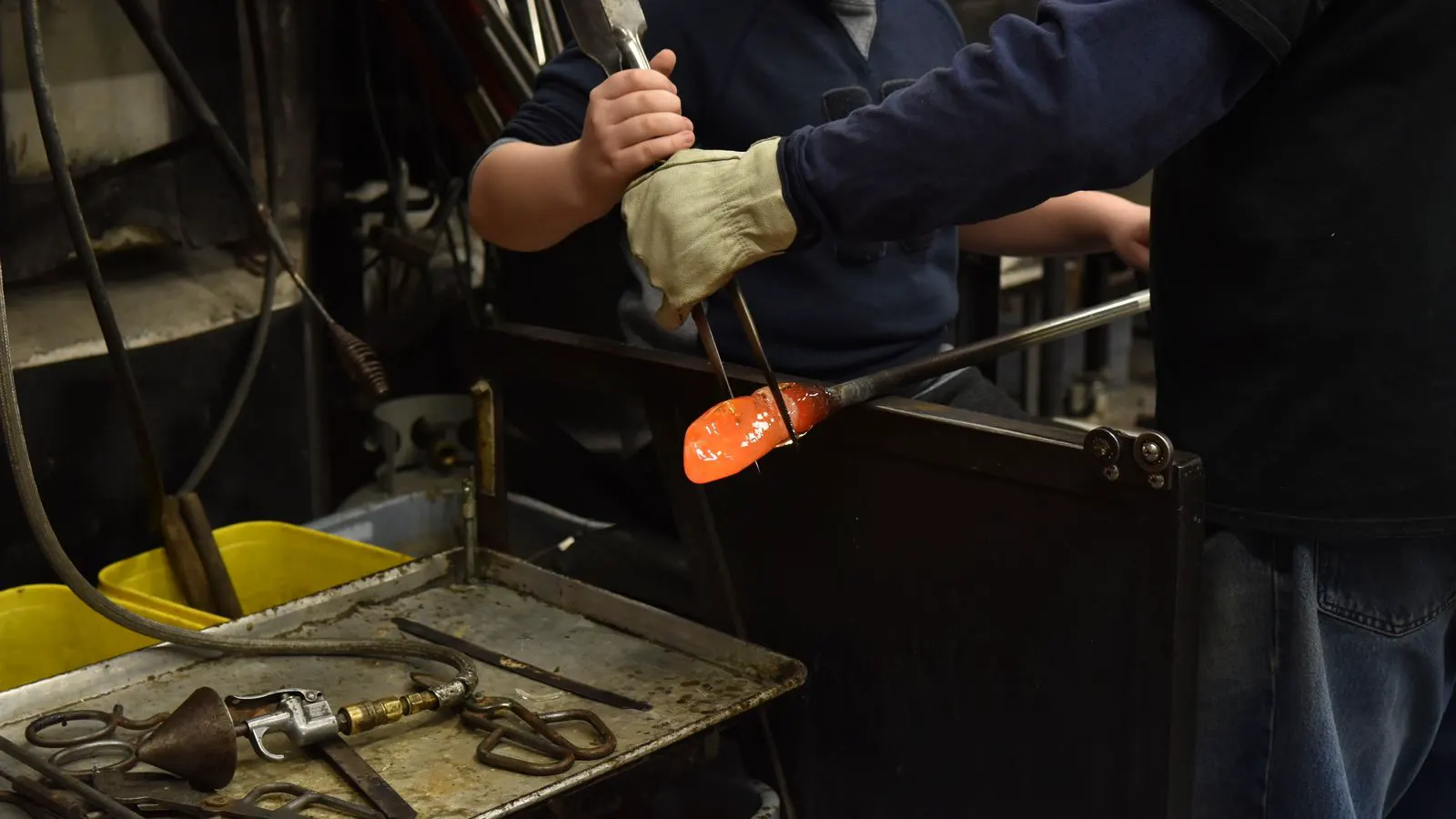
Open die forging uses flat dies and is best for bar stock, while closed die forging uses matching dies for precise shapes. The choice affects cost, material waste, and final part accuracy.
- Open die forging shapes bar stock into approximate forms, requiring secondary machining.
- Closed die forging forms the part in one press stroke with minimal material waste.
- Tolerances and part geometry drive the choice between the two methods.
- Supplier capability must match the die complexity required for your component.
What distinguishes open die from closed die forging
The primary difference lies in die geometry. Open die forging uses two flat or slightly curved dies. Closed die forging uses a pair of contoured dies that form a mold. This distinction changes how material flows, how much waste appears in the final part, and how much machining you must plan after the press.
Open die processes often handle round or hex bar stock. The dies press the metal into a rougher shape, such as a cylinder, an oval, or a simple tapered form. The result is a near-net shape, but the final dimensions usually require turning, milling, or grinding. Closed die processes enclose the metal between upper and lower dies. The dies guide the metal into the full geometry of the part. The output is closer to the final drawing, with less secondary machining.
How open die forging affects sourcing and cost
Open die forging is simpler to set up. The dies are usually flat, which means they are less expensive to fabricate and maintain. For high-volume production of simple shapes, this lower die cost can offset the need for post-forging machining.
However, open die forging consumes more raw material per part. Because the metal is not fully enclosed, excess material can flow into the die gap. This creates a flash or a larger cross-section than the final design requires. You must account for that waste in your cost model. If the part requires tight tolerances, the machining step adds labor, tooling, and quality checks.
Open die forging is a practical choice when the part is a basic bar, a simple flange, or a rough blank for later work. It is also useful when the material is difficult to form in a closed die due to high strength or low ductility. The trade-off is that the final part may need more inspection to ensure the rough shape meets downstream requirements.
How closed die forging affects sourcing and cost
Closed die forging requires more investment in tooling. The dies must be machined to the exact contours of the part. This increases initial setup time and cost. For low-volume production, the die cost can be high relative to the number of parts produced.
Once the dies are in place, closed die forging is highly efficient. The metal is fully contained, which reduces waste and produces a consistent shape. This consistency reduces the need for secondary machining. If your drawing calls for complex geometries, such as shoulders, fillets, or multiple features, closed die forging can deliver those features in the press.
The material must be heated to the correct temperature range. If the temperature is too low, the metal may crack or the dies may wear. If it is too high, the metal may scale excessively, affecting surface quality. A supplier experienced with closed die forging will have established temperature controls and die maintenance routines.
Comparing material usage and waste
Material usage is a direct cost driver. Open die forging typically uses more raw material per part because the dies do not fully confine the metal. The excess material must be removed during machining. This removal process generates chips and scrap that require handling and disposal.
Closed die forging minimizes this waste. The dies shape the metal closely to the final profile. The only waste is the small amount of metal that must be removed to meet exact tolerances. This makes closed die forging more economical for complex parts where material cost is significant.
The choice between the two methods depends on the part geometry. A simple cylindrical shaft is well suited to open die forging. A complex bracket with multiple holes and shoulders is better suited to closed die forging. You must evaluate the drawing before selecting a process.
Tolerance requirements and secondary machining
Tolerances dictate the level of post-forging work. Open die forging produces parts with looser tolerances. The final dimensions may vary more from part to part. You must allow for this variation in your design. If the part must fit into an assembly with tight clearances, you will need machining.
Closed die forging produces parts with tighter tolerances. The dies control the material flow, resulting in more consistent dimensions. This reduces the need for machining. However, even closed die forgings require some finishing work to remove scale and meet final surface requirements.
When evaluating a supplier, ask about their standard tolerances for each process. Request samples of previously produced parts that match your geometry. Measure them against your drawing. This gives you a realistic view of what to expect.
How to evaluate a supplier for your forging process
Select a supplier based on their experience with your specific part. A supplier that specializes in open die forging may not be the best choice for a complex closed die part. Conversely, a closed die specialist may offer unnecessary cost for a simple open die shape.
Ask the supplier about their die fabrication capabilities. Who makes the dies? Do they in-house the machining? What are their lead times for die setup? What is their experience with your material?
Request a process flow document. It should show the heating method, forging sequence, cooling process, and inspection points. This document reveals the supplier’s understanding of your requirements. It also helps you compare quotes from multiple suppliers.
| Feature | Open Die Forging | Closed Die Forging |
|---|---|---|
| Die Geometry | Flat or slightly curved | Contoured mold |
| Material Waste | Higher | Lower |
| Secondary Machining | Often required | Minimal |
| Die Cost | Lower | Higher |
| Part Complexity | Simple shapes | Complex shapes |
| Tolerance Control | Loose | Tight |
Worked example: A structural bracket
Consider a structural bracket made from carbon steel. The bracket has a flat base, two raised ears, and a central hole. The drawing calls for a hole diameter tolerance of plus or minus 0.1 millimeters. The base must be flat within 0.5 millimeters.
If you use open die forging, the dies will shape the bar into a rough block. The ears and hole will not be formed in the press. You will need to machine the base flat, drill the hole, and file the ears. This adds significant labor. The material waste from the rough block will be substantial.
If you use closed die forging, the dies will form the base, the ears, and the hole in one stroke. The hole will be pre-drilled or formed by a punch in the die. The base will be flat within the die tolerance. You will still need to remove scale and check dimensions, but the machining time will be much shorter. The material waste will be lower.
For a high-volume bracket like this, closed die forging is often the better choice. The die cost is higher, but the per-part cost drops as volume increases. For low-volume prototypes, open die forging may be faster to produce, even if the per-part cost is higher.
Final considerations for your sourcing decision
The choice between open die and closed die forging is not a simple preference. It is an engineering decision based on part geometry, material, volume, and tolerance. Start with your drawing. Identify the features that must be accurate. Determine which features can be left to machining and which must be formed in the press.
Consult with multiple suppliers. Ask them to review your drawing and recommend a process. Ask for a cost breakdown that includes die cost, forging cost, and machining cost. Compare the total cost of ownership, not just the forging price.
The right supplier will understand the trade-offs. They will explain why a particular process fits your part and how their capabilities support your requirements. This transparency builds trust and reduces the risk of production delays.
Frequently asked questions
Can open die forging produce parts with complex shapes?
Open die forging is limited to simple shapes. It cannot form complex geometries like holes or shoulders without significant secondary machining.
What is the main advantage of closed die forging?
Closed die forging produces parts with tighter tolerances and less material waste, reducing the need for secondary machining.
How does die cost affect the decision?
Closed die forging requires expensive dies. For low-volume production, the die cost can make open die forging more economical despite higher material waste.
What materials are suitable for open die forging?
Open die forging works well with high-strength materials that are difficult to form in closed dies, such as certain alloy steels and titanium.
How do I verify a supplier's forging capability?
Request samples of similar parts, review their process flow documents, and ask for a cost breakdown that includes die and machining costs.


