Forging Automation Trends for 2026 and Beyond
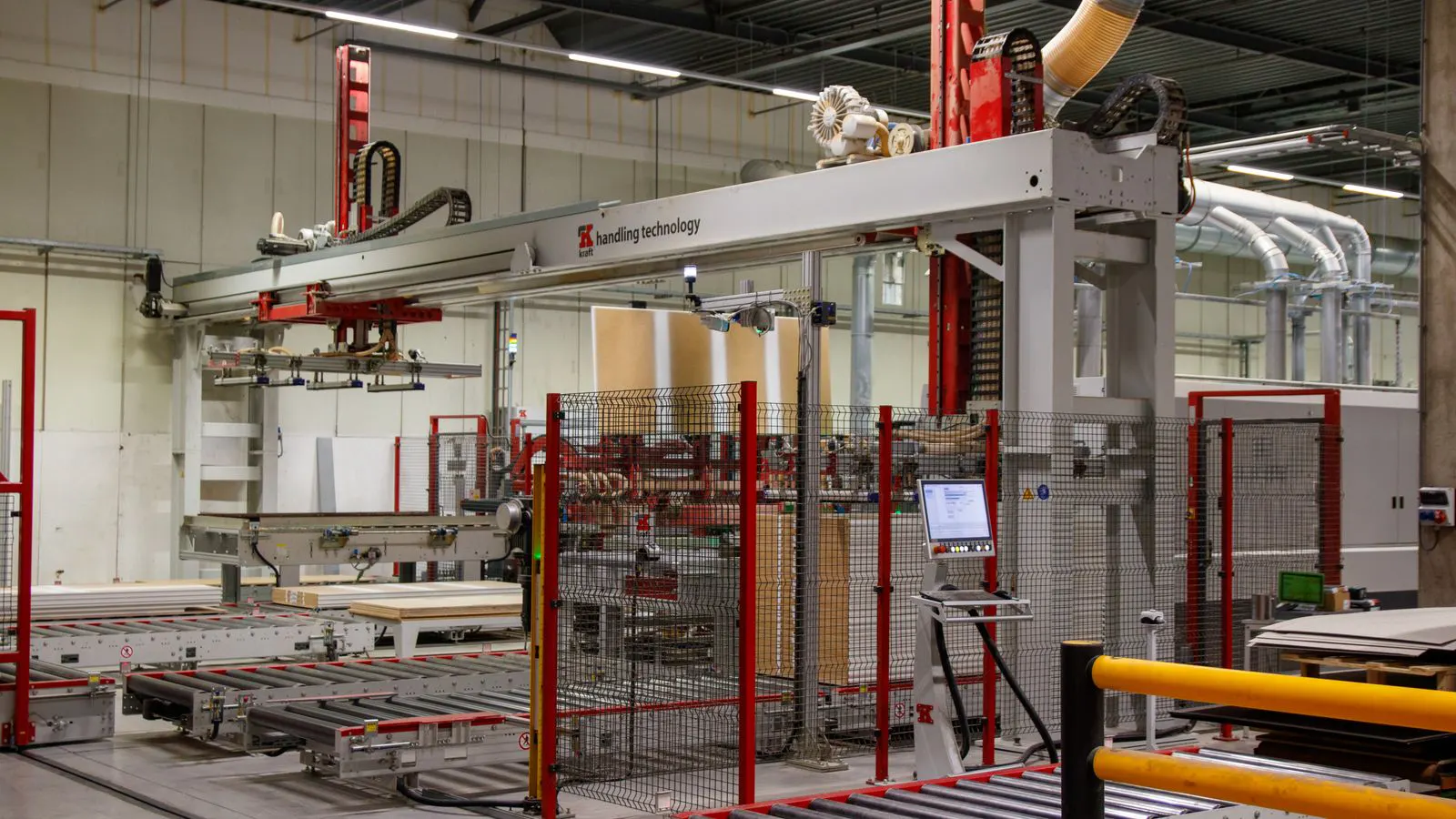
Forging automation in 2026 focuses on reducing manual labor, improving quality consistency, and shortening cycle times. Leaders should plan for integrated controls, data-driven maintenance, and flexible line layouts. This guide outlines five shifts and preparation steps for buyers.
- Automation reduces cycle time and labor variability, but initial die and machine setup costs remain high.
- Digital controls and sensors help predict maintenance needs and catch quality defects early.
- Flexible automation allows smaller batch sizes without proportional cost increases.
- Buyers should focus on data access and supplier integration when evaluating new equipment.
- Training and process mapping are critical before installing new automated lines.
The cost of forging automation is no longer just about the price of a robot or a new die. It is about the total effect on throughput, scrap rates, and labor scheduling. In 2026, many shops are moving beyond single-station automation to integrated lines where data from the press, the robot, and the inspection station feed a central control system. This shift changes how buyers should evaluate quotes, plan capacity, and manage risk.
How does automation change the cost structure of forging?
The most direct effect is a reduction in labor costs per part. When a robot loads and unloads a die, the cycle time shortens because the machine does not wait for a human to reach across the pit. The press runs longer. The die wears more consistently. The labor cost per part drops because one operator can now monitor multiple stations.
However, the capital expenditure is higher. An automated line requires a rigid frame, a high-precision robot, and often a dedicated control room. The die cost itself does not change, but the machine that holds it must be more precise. If the robot places the billet even a few millimeters off-center, the die face takes uneven stress. This increases the risk of premature die failure.
There is also a change in the skill mix. You need fewer operators per shift, but you need more maintenance technicians who understand both mechanical systems and software. The cost of downtime is higher on an automated line. If the robot controller fails, the entire line stops. A manual line might slow down. An automated line shuts off.
What are the quality implications of integrated controls?
Quality control is the second major shift. Automated lines often include vision systems or laser scanners that inspect the part before it moves to the next station. This catches size deviations early. If a part is out of tolerance, the system rejects it before it goes to heat treatment or machining.
This reduces the cost of rework. In a traditional line, a bad part might sit in a bin for days. Then a machinist discovers it and has to file or grind the feature. That is expensive. With in-line inspection, the bad part is removed immediately. The cost of a defect is the material cost, not the labor cost of rework.
The data from these sensors is valuable. You can track which dies are producing parts that drift out of tolerance. You can see if a specific heat treatment batch causes more dimensional variance. This data helps you negotiate with your suppliers. If a supplier claims their die is perfect, the data from your automated line will show you otherwise.
How does automation affect lead time for new products?
Lead time is where buyers often expect the biggest gain. The reality is more nuanced. For established parts with existing dies, automation shortens the production lead time. The line runs faster. The capacity is higher. You can meet tighter delivery windows.
For new products, the picture is different. You still need to design the die. You still need to run trial shots. The automated line does not remove the need for engineering. In fact, it raises the bar. If the line is automated, the trial shots must be more consistent to avoid damaging the robot or the die. The first article process becomes more critical.
However, the time to ramp up production is shorter. Once the line is set up, it can hit full capacity faster. A manual line needs time for workers to get comfortable with the rhythm. An automated line is programmed. Once the parameters are set, it runs at the same speed every time. This predictability helps you plan your production schedule.
What are the risks of over-automating a small shop?
A common mistake is buying automation for a shop that does not have the volume to justify it. If you are only running 50 parts a day, an automated line is expensive. The robot is idle for most of the shift. The maintenance costs eat into the savings.
Automation works best when you have a consistent flow of parts. If your order book is spiky, with one big order followed by months of silence, a manual line is more flexible. You can use the labor for other jobs. An automated line is dedicated to one product or a narrow family of products.
Before buying, look at your utilization rate. If your press is only running 40 percent of the time, automation will not save you money. It will just make the idle time more expensive. You need a base load of steady production to make the capital investment pay off.
How should buyers prepare for these changes?
The first step is to map your current process. Walk the floor. Time the cycle. Count the defects. Write down where the bottlenecks are. Is it the loading? The unloading? The inspection? The automation solution must match the specific bottleneck.
The second step is to define your data requirements. Do you need real-time alerts? Do you need a report at the end of the shift? Do you need historical trends? Make sure the supplier can provide this data. If the system is a black box, you will not know if it is helping or hurting your quality.
The third step is to train your team. An automated line is not set and forget. It requires daily checks. The robot needs to be calibrated. The sensors need to be cleaned. The software needs to be updated. If your team does not understand the system, it will become a liability.
The fourth step is to plan for integration. The automated line should not be an island. It should talk to your ERP system. When a part is made, the record should update automatically. When a die is worn, the maintenance ticket should be generated automatically. This reduces administrative work and improves accuracy.
How do these trends affect supplier selection?
When you evaluate a forging supplier, ask about their automation levels. Do they use robots for loading? Do they have in-line inspection? Do they share data with you? A supplier who is automated can offer more consistent quality and shorter lead times. But they may also have higher minimum order quantities.
You need to balance these factors. If you need a large volume of a standard part, an automated supplier is a good fit. If you need small batches of custom parts, a flexible supplier with manual capability might be better. The goal is to match the automation level to your production profile.
Also, ask about their maintenance practices. A well-maintained automated line is reliable. A poorly maintained one is a nightmare. Ask how often they calibrate the robots. How often they replace sensors. How they handle die wear. The details matter.
What is the role of software in forging automation?
Software is the glue that holds the automation together. It manages the sequence of operations. It controls the robot movements. It logs the quality data. It generates the reports.
The trend is moving toward cloud-based platforms. This allows you to view data from multiple sites. It allows you to compare performance across different lines. It allows you to run simulations before you make changes.
However, cloud-based systems require stable internet connections. In a heavy industrial environment, this can be a challenge. Some shops use local servers. This gives you more control but less flexibility. You need to decide which approach fits your infrastructure.
The software should be user-friendly. If your operators need a manual to run a report, they will not use it. The interface should be simple. The alerts should be clear. The data should be actionable. If the software is complex, the automation will fail to deliver its benefits.
How can you reduce the risk of a failed automation project?
The biggest risk is buying the wrong system. To reduce this, involve your engineering team in the selection process. Have them define the technical requirements. Have them review the supplier’s proposal. Have them test the system with a small pilot run.
Also, build in flexibility. Choose a system that can be expanded. If your production volume grows, you should be able to add another station without replacing the whole line. If your product mix changes, the software should be able to handle the new parameters.
Finally, have a fallback plan. If the automation fails, how will you continue production? Do you have a manual backup? Do you have a contract with another supplier? You need a plan to keep your customers supplied if the line goes down.
How do these trends impact the future of the industry?
The future of forging is moving toward a model where data drives decisions. The press is no longer just a machine. It is a data source. The die is no longer just a tool. It is a component with a lifecycle. The operator is no longer just a laborer. They are a system monitor.
This change will continue to expand. New technologies will emerge. Better sensors will appear. Faster software will run. The core principles will remain. You need to match the automation level to your production needs. You need to manage the data. You need to maintain the system.
For buyers, the key is to stay informed. Do not let the technology drive your strategy. Let your production goals drive the technology selection. Automation is a tool. It is not a destination. Use it to solve specific problems. Improve quality. Reduce cost. Shorten lead time.
The shops that succeed will be the ones that integrate automation into their core processes. They will not treat it as a bolt-on. They will design their operations around the data and the controls that automation provides. This is the path to a more efficient and resilient forging industry.
| Factor | Manual Line | Automated Line |
|---|---|---|
| Labor Cost | Higher per part | Lower per part |
| Cycle Time | Slower, variable | Faster, consistent |
| Scrap Rate | Higher, detected late | Lower, detected early |
| Capital Cost | Lower upfront | Higher upfront |
| Flexibility | High for small batches | Better for steady volume |
| Data Access | Limited | Extensive, real-time |
- Map your current production process to identify bottlenecks.
- Define your data requirements for quality and maintenance.
- Train your team on the new systems before installation.
- Plan for integration with your existing ERP and planning tools.
- Build a fallback plan to maintain production during downtime.
Frequently asked questions
Does automation reduce the cost of the die itself?
No, the die cost is driven by material and machining. Automation changes the machine cost and the labor cost, but it does not reduce the cost of the steel or the machining hours for the die.
Can I automate a line that produces a small number of part types?
It is possible, but it may not be cost-effective. If the volume is low, the capital cost of the robot and controls will not be recovered quickly. Manual operation is often better for small, diverse batches.
How long does it take to see a return on investment from automation?
It depends on the current state of the line. If the manual line is running slowly with high scrap, the return can be faster. If the manual line is already efficient, the return will take longer.
Do I need a dedicated control room for an automated line?
Not always, but a dedicated space is recommended. The controls and screens need to be in a location where the operator can monitor the line without walking through the production floor. This improves safety and response time.
How do I know if my supplier’s automation is worth paying for?
Ask for data on their scrap rate and cycle time. Compare it to your current supplier. If the automated supplier offers better consistency and shorter lead time, the higher price may be justified.


