Fixing Hardness Variations in Forged Alloy Steel Components
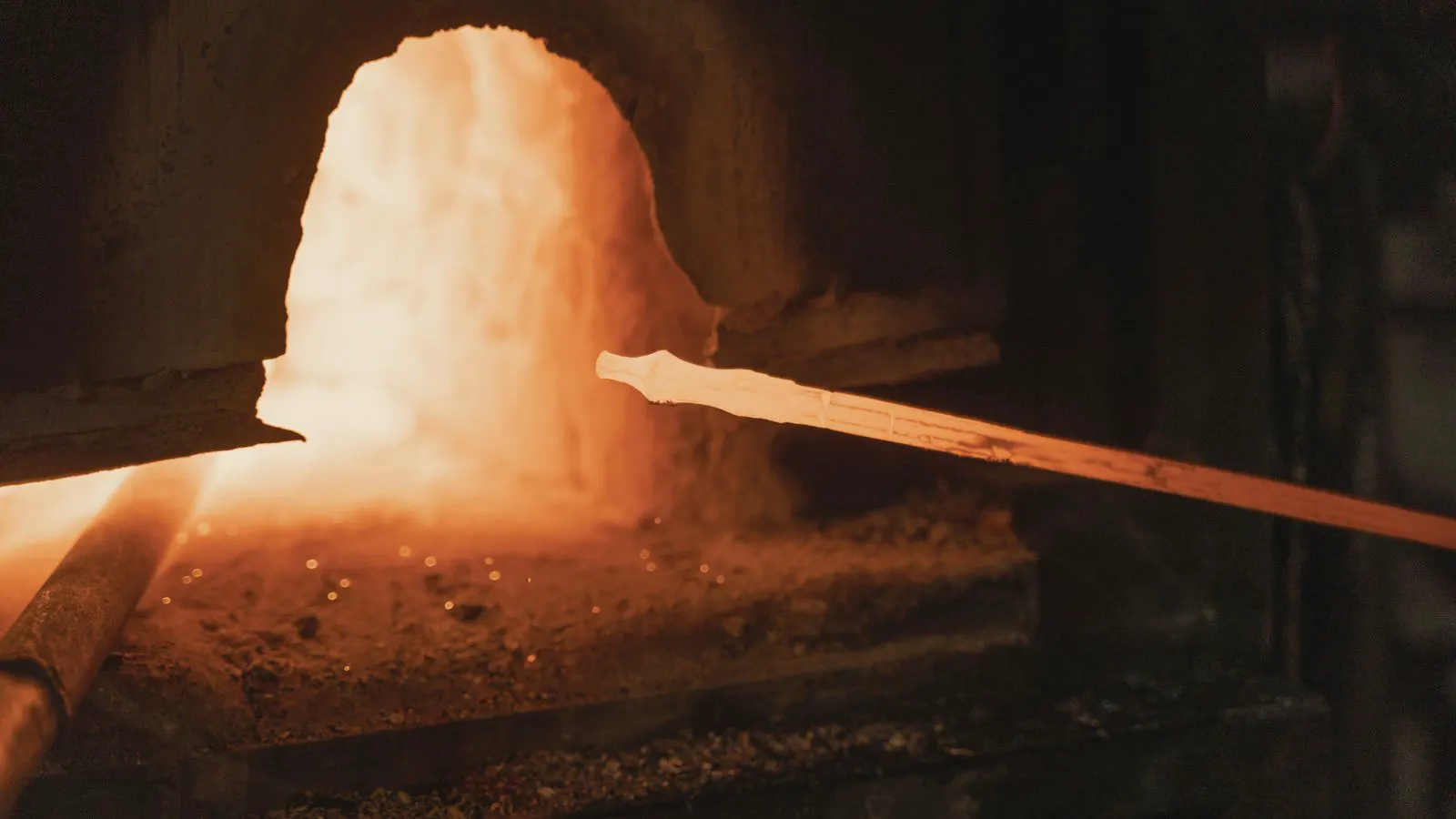
Inconsistent hardness in forged alloy steel components usually stems from material property variations, improper heat treatment parameters, or incorrect alloy selection. This guide outlines practical steps to identify symptoms, correct processing errors, and standardize results.
- Inconsistent hardness often indicates heat treatment deviations or raw material variability rather than forging errors alone.
- Always verify chemistry and mill certificates to confirm the actual alloy composition matches the specified grade.
- Standardizing preheat and quenching parameters is critical for achieving uniform material properties across production runs.
- Use alloy selection wisely to match the required mechanical specifications and avoid over-engineering or under-performance.
- Implement rigorous in-process monitoring and final inspection to catch deviations before parts ship.
Why Hardness Inconsistency Matters in Forged Parts
Forged alloy steel components must meet specific hardness and strength requirements to perform reliably under load. When material properties vary from part to part, engineers face risks of premature fatigue, uneven wear, and potential structural failure. Understanding how to fix these variations requires a systematic approach to both material control and thermal processing.
Common Symptoms of Hardness Variations
Before applying fixes, it is essential to identify the specific pattern of inconsistency. Hardness variation can manifest in several distinct ways across a production batch.
- Surface Hardness Too Low: The outer layer of the part is softer than specified, while the core may be acceptable.
- Surface Hardness Too High: The outer layer is excessively hard, making machining difficult and potentially leading to cracking.
- Core Hardness Too Low: The center of the section is soft, indicating incomplete hardening or decarburization.
- Uneven Hardness Across Sections: Hardness differs significantly between thin and thick areas of the same part.
- Random Variation: No clear pattern exists, suggesting raw material inconsistency or operator error.
Diagnosing the Root Cause
Identifying the cause is the first step in correcting the problem. The following table summarizes common symptoms, their likely origins, and recommended corrective actions.
| Symptom | Likely cause | What to do |
|---|---|---|
| Surface hardness too low | Insufficient quenching temperature; slow cooling rate | Verify quench bath temperature; improve agitation or use faster cooling media |
| Surface hardness too high | Overheating during austenitizing; excessive carbon content | Reduce austenitizing temperature; check mill certificates for chemistry |
| Core hardness too low | Inadequate austenitizing temperature; thick section slow heat transfer | Increase preheat or austenitizing time; ensure uniform heating |
| Uneven section hardness | Asymmetric part design; uneven quenching | Optimize part geometry; use directional quenching or fixturing |
| Random variation | Raw material segregation; inconsistent heat treatment cycles | Source material from certified mills; standardize furnace loading patterns |
Controlling Raw Material Properties
The foundation of consistent hardness lies in the raw material itself. Even if heat treatment is perfectly executed, variations in the initial alloy composition can lead to inconsistent final properties.
- Verify Mill Certificates: Ensure every heat of steel corresponds to the specified forging steel grades. Look for tight tolerance ranges in carbon, manganese, chromium, and other alloying elements.
- Check for Segregation: Large ingots or billets can have compositional gradients. Ask suppliers about their casting and refining practices to minimize segregation.
- Test Incoming Material: For critical applications, perform spot checks on chemistry and mechanical properties of the raw bar or billet before forging.
- Standardize Source Suppliers: Working with one or two trusted suppliers can reduce variability in material properties compared to sourcing from multiple vendors.
Optimizing Heat Treatment Parameters
Heat treatment is the primary driver of final material properties. Small deviations in temperature or time can significantly alter hardness.
- Austenitizing Temperature: This must be precise. Too low, and the core will not fully transform, resulting in low core hardness. Too high, and grain growth or decarburization can occur, leading to poor toughness or surface hardness issues.
- Quenching Medium and Agitation: The cooling rate must be sufficient to form martensite. Inconsistent agitation can cause uneven cooling, especially in thick sections.
- Tempering: After quenching, tempering relieves stresses and adjusts hardness. Inconsistent tempering temperatures or times will lead to variation in final strength and toughness.
- Furnace Uniformity: Hot spots or cold spots in the furnace can cause parts to heat at different rates. Regular calibration and proper loading are essential.
Role of Alloy Selection in Achieving Target Hardness
Choosing the right forging steel grades is critical for matching desired material properties. Different alloys respond differently to heat treatment and have different potential hardness ranges.
- Match Alloy to Application: A high-carbon steel may achieve very high hardness but at the expense of toughness. A medium-alloy steel like 4140 offers a better balance of strength, wear resistance, and toughness.
- Consider Quenchability: High-alloy steels have better quenchability, meaning they can harden through thicker sections. Using a low-alloy steel for a thick part may result in a soft core.
- Review Alloy Selection: If current material properties are consistently off, review whether the selected alloy is optimal. A different grade might yield more consistent results under your specific heat treatment conditions.
Prevention and Quality Control
Once issues are corrected, prevention is key to maintaining consistent material properties.
- Implement Statistical Process Control: Track hardness results over time to detect trends before they become problems.
- Standard Operating Procedures (SOPs): Document and enforce strict heat treatment cycles, including furnace preheat, loading, and unloading practices.
- Operator Training: Ensure heat treaters are trained on the specific requirements of the part and the sensitivity of the alloy to temperature changes.
- Final Inspection: Always perform final hardness testing on a sample of parts from each heat treatment batch. Reject parts that fall outside the specified range.
- Maintain Equipment: Regularly inspect and maintain furnaces, quench tanks, and thermocouples to ensure they are operating within tolerance.
When to Seek External Assistance
If internal efforts do not resolve hardness variations, consider engaging a metallurgical consultant. They can review your entire process, from raw material to final heat treatment, and identify subtle issues that may be overlooked internally.
Frequently asked questions
Can forging itself cause hardness variation?
Forging generally refines the grain structure but does not change the chemical composition. Significant hardness variation is almost always caused by heat treatment or raw material issues, not the forging process itself.
How do I know if my raw material is the problem?
Check the mill certificates for chemistry within specified tolerances. If the chemistry is consistent but hardness varies, the issue is likely in the heat treatment process.
Is there a way to increase quenching speed without damaging the part?
Use a more aggressive quenching medium or improve agitation, but be cautious. Rapid cooling can cause distortion or cracking. Always test on scrap parts first.
How often should I test incoming material?
For critical applications, test every heat or lot. For less critical parts, periodic spot checks may be sufficient, but consistency in testing is important.
Can I use a different alloy to solve hardness inconsistency?
Yes, if the current alloy is difficult to heat treat or if its potential hardness range is not ideal for your application. However, this requires re-engineering the part and updating specifications.


