Outlook: Forging Automation in Heavy Equipment
Forging automation is moving from isolated robot cells to integrated lines. Buyers should plan for higher upfront costs, tighter quality control, and greater flexibility. This guide outlines five practical shifts and preparation steps for industrial forging operations.
- Forging automation shifts cost structures from labor-intensive manual work to high-capacity capital investment.
- Integrated automation improves traceability, reducing the risk of inclusions and other defects in alloy steel.
- Buyers must evaluate total cost of ownership, including maintenance, energy, and retooling, rather than just unit price.
- Flexible automation allows smaller batch sizes for specialized heavy equipment components without sacrificing throughput.
- Skill sets are changing, requiring operators to manage programming and data analysis rather than just physical loading.
How automation changes the cost model
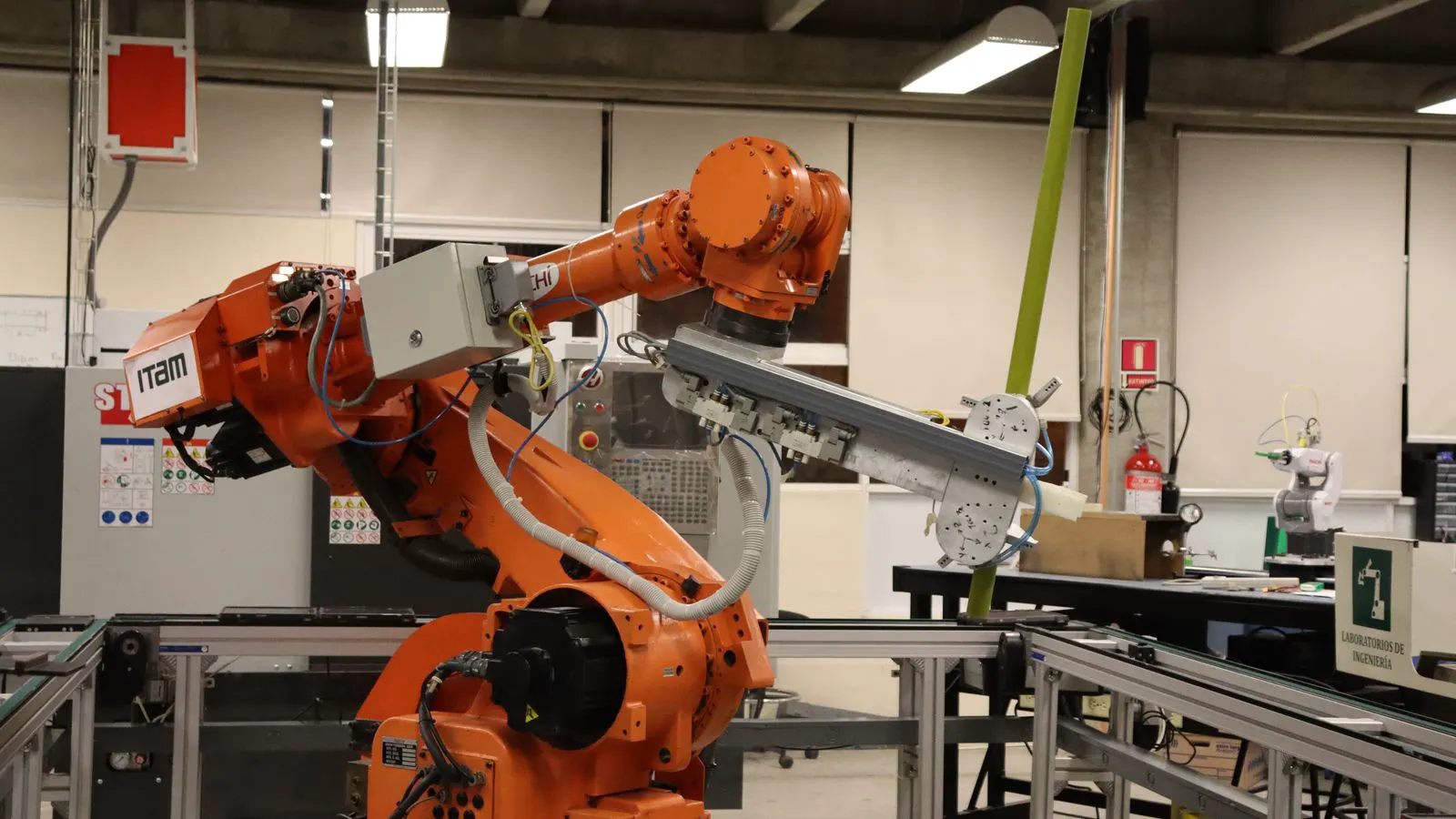
The move toward forging automation does not simply replace workers with machines. It changes how capital is deployed across the production floor. Heavy equipment manufacturers are increasingly looking at automated material handling to reduce cycle time between heating and pressing. The initial capital outlay for a robot cell or a fully automated line is significant. Maintenance contracts and energy usage become recurring expenses that must be planned for.
In a traditional setup, operators load and unload forged parts manually. This introduces variability. A part might be positioned slightly off-center, leading to inconsistent grain flow or potential die wear. Automation removes that human error. The robot places the billet in the exact same position every time. This consistency extends die life and reduces scrap rates.
The financial trade-off is clear. Manual forging has lower entry barriers. Automated forging requires higher initial investment but offers a lower cost per unit at scale. For high-volume applications like tractor axles or crane booms, the automated route makes financial sense. For low-volume, high-mix parts, the capital cost may not be justified unless the part requires extreme precision.
| Cost Factor | Manual Forging | Automated Forging |
|---|---|---|
| Initial Investment | Lower | Higher |
| Labor Cost | Higher | Lower |
| Consistency | Variable | High |
| Maintenance | Simple | Complex |
| Throughput | Limited | High |
| Flexibility | High | Moderate |
What production trends are driving the shift
Production trends in heavy equipment are pushing manufacturers toward faster turnaround times. Customers want shorter lead times and tighter tolerances. The pressure to deliver on time is driving the adoption of automation. When a factory can run a forging line unattended for longer shifts, output increases without adding headcount.
Another trend is the demand for better traceability. Heavily regulated industries require detailed records of every part. Automation provides this naturally. Sensors and vision systems can track each part from the heater to the final inspection. This data trail helps identify when a specific die or material batch caused a defect.
The rise of additive manufacturing and hybrid processes is also influencing forging. Some heavy equipment parts are now made using a combination of forging and 3D printing. Automation allows these processes to be integrated smoothly. A robot can move a forged blank to a deposition head and then to a cooling station. This integration requires precise timing and control, which is best handled by automated systems.
How quality control is being redefined
Quality control in forging has traditionally relied on visual inspection and periodic testing. Automation changes this by enabling continuous monitoring. Vision systems can scan every part for surface defects that might be missed by a human inspector. Infrared sensors can monitor temperature uniformity during the heating phase.
For alloy steel parts, inclusion control is a critical concern. If a forging contains inclusions, the part may fail under fatigue load. Automated systems can detect anomalies in grain flow or surface texture that indicate potential internal issues. This data can be fed back into the die design or material selection process.
Buyers should ask suppliers about their data collection capabilities. Can the forging plant provide a digital record of each part? Can they show how the automation system detected a specific defect? These capabilities are becoming standard expectations for heavy equipment applications where safety is paramount.
What buyers need to evaluate in automation suppliers
When selecting a forging automation supplier, focus on integration capability. The system must work with existing heating furnaces, presses, and inspection stations. A standalone robot is less useful than a system that communicates with the entire production line. Ask about the communication protocols used. Open standards make it easier to integrate with existing factory systems.
Consider the flexibility of the system. Heavy equipment manufacturing often involves multiple part numbers. Can the automation system handle different sizes and shapes without extensive reprogramming? Modular designs allow for quick changes. This flexibility is important when production schedules shift or when new designs are introduced.
Maintenance is a major factor. Automated systems are complex. They require specialized skills to repair and maintain. Ask about the supplier’s support structure. Do they provide on-site training? Are spare parts available locally? What is the average downtime for common issues? These details affect the total cost of ownership.
How to prepare your operation for automation
Preparing for forging automation requires a phased approach. Start with a pilot project. Identify one high-volume part that would benefit from automation. Test the system in a controlled environment. Measure the results against the baseline. This gives you real data to justify further investment.
Train your staff early. The role of the forging operator is changing. They will need to monitor the automated system, analyze data, and perform maintenance. Provide training on robotics programming and data analysis. This change in skills should be planned for well in advance.
Review your facility layout. Automated systems may require specific spacing, power, and network infrastructure. Ensure your plant can support the new equipment. This might involve upgrading electrical service or installing new conveyors. Plan these changes in parallel with the automation project.
The role of data in future forging
Data is the new currency in forging automation. The sensors and systems installed in an automated line generate a massive amount of information. This data can be used to predict when a die will wear out, when a furnace needs calibration, or when a part is likely to fail.
Predictive maintenance is becoming a standard feature. Instead of reacting to a breakdown, the system alerts the operator before a failure occurs. This reduces downtime and extends the life of the equipment. For heavy equipment manufacturers, this reliability is a key differentiator.
The ability to analyze data across different production lines is also growing. If one line produces a higher scrap rate, the data may reveal a common cause, such as a material batch issue or a specific die condition. This cross-line analysis helps improve overall plant performance.
Conclusion on forging automation
Forging automation is not a single technology. It is a system of changes in how heavy equipment parts are made. The shifts are in cost, quality, traceability, and data. Buyers who plan for these changes will be better positioned to meet customer demands and maintain competitive pricing.
The path forward is incremental. Start with a pilot. Measure the results. Expand as the benefits become clear. Focus on integration and flexibility. The goal is not just to install robots. The goal is to build a production system that is resilient, efficient, and capable of adapting to future production trends.
Frequently asked questions
Does automation reduce the quality of forged parts?
No, automation generally improves quality by removing human error. Robots place parts consistently, and sensors monitor defects in real time. This leads to more uniform grain flow and fewer surface defects.
How much does forging automation cost to install?
Costs vary widely based on the complexity of the line and the volume of production. A simple robot cell for material handling is less expensive than a fully integrated automated line. Total cost of ownership should be considered, not just the initial price.
Can small forging shops adopt automation?
Yes, but the focus should be on specific tasks like material handling or inspection. Full line automation may not be cost-effective for low-volume shops. Modular solutions allow for gradual implementation.
What are the main risks of adopting forging automation?
The main risks are high upfront costs, downtime during installation, and the need for new skills. Mitigating these risks requires careful planning, training, and choosing a reliable supplier with good support.
How does automation affect die life?
Automation extends die life by ensuring consistent loading and positioning. This reduces impact damage and wear. Consistent heat transfer also helps maintain die temperature, further prolonging its life.