Outlook: Forged Components in Offshore Renewable Energy
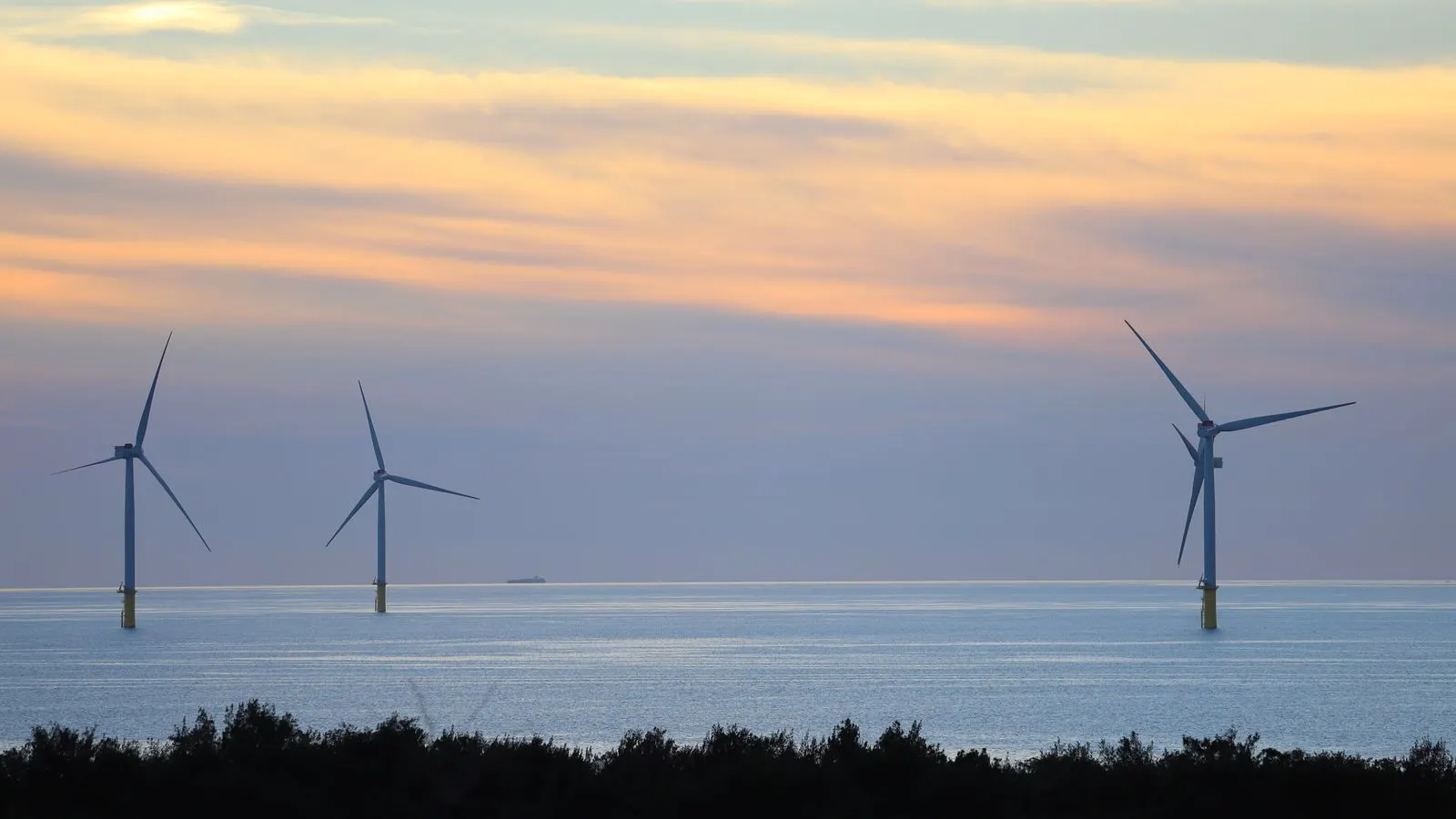
Renewable energy forging is shifting toward higher strength alloys, complex grain flow, and stricter traceability for offshore wind. Buyers should plan for tighter tolerances, digital material passports, and early supplier qualification to secure long-term availability in this growing sector.
- Offshore wind is driving demand for forged components that combine high yield strength with proven fatigue performance in corrosive marine environments.
- Digital traceability and digital material passports are becoming standard expectations for major offshore wind projects.
- Buyers should engage forging suppliers early in the design phase to align grain flow, material selection, and process capability.
- Alloy selection is shifting from standard carbon and low-alloy steels toward high-strength low-alloy and precipitation-hardened steels where weight and fatigue life are critical.
- Supply chain resilience requires qualified backup suppliers and early qualification of critical forging partners.
What is driving the change in offshore wind forging
Offshore wind turbines operate in some of the most demanding environments on earth. Salt spray, wave loading, cyclic fatigue, and long service lives without practical inspection windows define the operating conditions. These conditions push component designers and buyers to specify forged parts with higher strength, tighter dimensional control, and more complete material traceability than traditional onshore wind or heavy equipment applications.
The forging industry has responded. Material selection, process control, and documentation practices are shifting to meet the reliability and durability expectations of offshore renewable energy projects. This article outlines the shifts buyers should plan for and how to prepare.
Shift one: higher-strength alloys are replacing standard carbon steels
Standard carbon steels and low-alloy steels remain common in many structural applications. Offshore wind, however, is moving toward higher-strength low-alloy steels and precipitation-hardened steels for critical rotating and structural components.
The trade-off is clear. Higher-strength materials reduce part weight and size, which matters for transport, installation, and fatigue life. But they also require more precise forging controls. Grain flow alignment, residual stress management, and heat treatment consistency become harder to achieve without process discipline.
Buyers should expect more frequent requests for material certification, mechanical test data, and proof of heat treatment capability. Alloy selection is no longer a simple cost exercise. It is a reliability decision that affects the entire component lifecycle.
| Component type | Typical material approach | Primary driver |
|---|---|---|
| Turbine hubs and shafts | High-strength low-alloy steel | Fatigue life and weight reduction |
| Gearbox housings and supports | Low-alloy steel with controlled grain flow | Impact resistance and fatigue |
| Flanges and pressure boundaries | Precipitation-hardened or high-strength low-alloy steel | Pressure integrity and corrosion resistance |
| Structural tower sections | Standard to medium-strength low-alloy steel | Cost control and weldability |
| Rotating assemblies | Alloy steel with proven fatigue data | Cyclic loading in salt water |
The table above reflects general trends. Specific selections depend on the application, design code, and project requirements. Buyers should not assume a single alloy fits all offshore wind components.
Shift two: grain flow control is now a design requirement, not a process detail
Grain flow is the alignment of metal crystals within the forged part. Proper grain flow directs stress paths and improves fatigue resistance. In offshore wind, where components experience millions of load cycles, grain flow alignment can be the difference between a component that lasts the design life and one that fails early.
Buyers should specify grain flow direction in the RF, not just material grade. The forging supplier must be able to show how the die design and forging sequence achieve the required alignment. If the drawing calls for a specific grain flow direction, the supplier should demonstrate capability with test articles or finite element simulations.
A common mistake is specifying a material grade without defining the grain flow requirement. This leaves the supplier with discretion that may not match the design intent. For offshore wind components, that discretion is too risky.
Shift three: digital traceability and material passports are becoming standard
Offshore wind projects face strict regulatory and insurance requirements. Traceability is no longer optional. Buyers are increasingly asking for digital material passports that link each forged part to its heat number, chemical analysis, mechanical test results, and process history.
This shift is driven by the need to prove that a component was made from certified material and processed correctly. It is also driven by the long service life of offshore wind. A turbine may operate for twenty-five to thirty years. If a failure occurs, the project owner, insurer, and regulator will need a complete record of what was used and how it was made.
Buyers should build digital traceability into their RFQs and qualification processes. Ask suppliers to define their digital documentation system. Confirm that the system can support long-term record retention and audit readiness.
Shift four: qualification cycles are getting longer and more rigorous
Qualifying a forging supplier for offshore wind is not a one-time event. It is a staged process that may involve material audits, process capability studies, test article forgings, and full component qualification. The cycle can take months or longer.
This is a shift buyers should plan for. Early engagement with potential suppliers is critical. Identify qualified forging partners during the design phase, not after the design is frozen. Early qualification allows the supplier to align their process, tooling, and documentation to your specific requirements.
A practical approach is to create a tiered qualification model. Tier one suppliers are fully qualified with complete documentation and audit history. Tier two suppliers are qualified on a specific component family. Tier three suppliers are pre-qualified for general capability. This structure gives you flexibility while maintaining quality control.
Shift five: tooling and process automation are changing cost structures
Forging tooling is a significant upfront cost. Die design, machining, and maintenance require planning and budget. Automation is changing how these costs are managed.
Automated forging cells can reduce labor variability and improve repeatability. They can also shorten cycle times and improve consistency. For offshore wind components where traceability and repeatability are critical, automation is a strong fit.
Buyers should ask suppliers to describe their automation strategy. How is the die maintained? How are first-article and in-process checks performed? How is process data captured and linked to the digital material passport? The answer should be specific, not generic.
A common mistake is evaluating forging suppliers on price alone. In offshore wind, the cost of a quality failure far exceeds the cost of a higher-priced, more capable supplier. Price should be one factor in a broader evaluation that includes capability, traceability, and long-term support.
Shift six: supply chain resilience is a design constraint
Offshore wind projects have long lead times. Supply chain disruptions can delay entire projects. Buyers are preparing for this by qualifying multiple suppliers for critical components.
This does not mean using multiple suppliers for every part. It means having backup capability for the components that are hardest to source. High-strength forging, complex grain flow, and specialized heat treatment are areas where supply chain concentration is a risk.
Buyers should identify single-source dependencies in their supply chain. Map each critical component to at least one qualified backup supplier. This may not mean active dual sourcing for every unit. It may mean having a qualified supplier on standby who can ramp up if needed.
How to prepare for these shifts
Preparation starts before the RFQ is written. Buyers should engage metallurgists and forging suppliers early in the design process. Material selection, grain flow, and traceability requirements should be aligned from day one.
Create a clear qualification framework. Define what documentation is required, what audits will be performed, and what test articles are needed. Share this framework with suppliers early so they can plan their response.
Build digital traceability into your project management system. Make sure your ERP or PLM system can handle heat numbers, material certificates, and process data. This reduces the burden on the forging supplier and improves audit readiness.
Plan for longer qualification cycles. Build time into your project schedule for supplier qualification. Do not compress this phase. A compressed qualification cycle is a risk, not a savings.
Finally, treat the forging supplier as a design partner, not just a vendor. Offshore wind components are complex. The best outcomes come from early collaboration on material, process, and documentation.
What to watch as the market matures
Offshore renewable energy forging is still developing. New alloys, new processes, and new documentation standards will emerge over the next decade. Buyers who stay close to the forging community and their suppliers will be better positioned to adopt these changes.
The key is consistency. Apply the same discipline to every component, whether it is a small flange or a large turbine hub. The reliability requirements are the same. The environment is the same. The standard of proof should be the same.
Forging is not just a manufacturing step in offshore wind. It is a reliability investment. The components that are forged well today will determine the performance of the grid for decades. The shifts outlined in this article are not optional. They are the baseline for the next generation of offshore wind projects.
Frequently asked questions
What alloys are most common in offshore wind forging?
High-strength low-alloy steels and precipitation-hardened steels are common for critical components. Standard low-alloy steels are used where cost and weldability are the primary drivers.
How much does digital traceability cost?
The cost depends on the supplier and the level of documentation required. It is typically built into the price of the forged part rather than charged as a separate service.
Can I qualify a forging supplier in a short time frame?
No. Offshore wind qualification typically requires a staged process with material audits, test articles, and full documentation. Plan for a longer cycle than standard industrial forging.
What is the difference between a forged and cast offshore wind component?
Forged components generally offer higher fatigue resistance and better grain flow alignment than cast components. The choice depends on the specific application, cost, and design requirements.
How do I know if my current forging supplier can handle offshore wind requirements?
Ask for their audit history, digital traceability system, and examples of offshore wind or equivalent applications. If they cannot provide these details, they may not be qualified for the level of traceability and reliability you need.