Open-Die vs Closed-Die Forging for Heavy Equipment Shafts
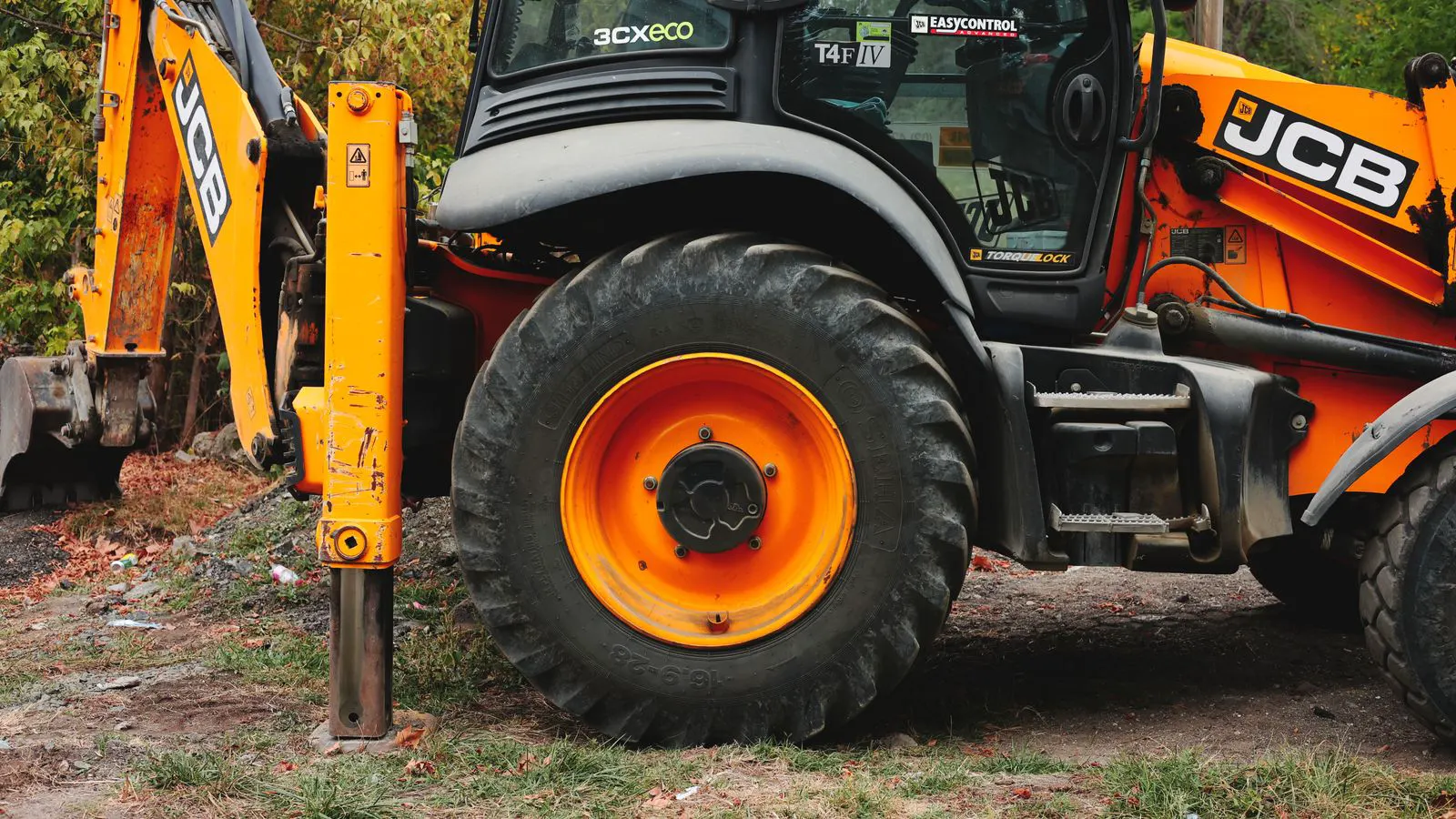
Open-die forging suits large, low-volume shafts with simple geometry. Closed-die forging fits high-volume shafts needing tight tolerances and complex features. Process choice depends on shaft size, production run, and required dimensional precision.
- Open-die shaft forging works best for large, low-volume production and simple cylindrical shapes.
- Closed-die shaft forging delivers tighter tolerances, better surface finish, and higher material utilization.
- Material selection and post-forging machining requirements drive the final process decision.
- Cost per part depends on production volume, not just the forging method itself.
- Inspect die wear and shaft geometry early to avoid expensive rework on heavy machinery components.
Heavy equipment shafts demand strength, dimensional accuracy, and predictable material flow. The forging process chosen shapes cost, quality, and production cycle time. Engineers often debate whether open-die or closed-die forging better serves large shafts for mining trucks, excavators, or agricultural tractors. The answer depends on shaft diameter, production volume, and tolerance requirements.
Why Shaft Geometry Drives the Process Choice
Shafts are not simple bars. They include journals, keyways, shoulders, and taper sections that must align under heavy load. Open-die forging shapes material between a single die and the anvil. The operator controls the final length and general profile through hammer blows. Closed-die forging uses a pair of dies that close around the billet to form the entire profile.
Open-die works when the shaft is mostly cylindrical with minor step changes. Closed-die handles complex profiles in fewer operations. A large drive shaft for a mining haul truck may have a smooth central section with stepped journals. An open-die process can handle that shape, though the operator must add material where needed. A crankshaft for an engine requires precise journal spacing and bearing surfaces. Closed-die forging produces those features in one or two die changes.
The material matters too. Carbon steel forgings tolerate open-die methods because the metal responds predictably to impact. Alloy steels with higher carbon or alloying elements often need the controlled compression of closed-die forging to avoid internal defects.
Open-Die Forging for Large, Low-Volume Shafts
Open-die shaft production suits applications where the shaft is large but the run is short. A custom transmission shaft for a specialized agricultural implement may need only a few units. Open-die forging avoids the cost of custom dies. The same forging set can handle multiple shaft sizes with minor adjustments.
The process uses a horizontal or vertical power hammer. The billet sits on the anvil, and a single die shapes it from the top. The operator controls the length by stopping the hammer at the right point. This manual control creates flexibility but introduces variability. Each shaft may differ slightly in length or taper.
For heavy equipment, this variability is often acceptable. The shaft will receive machining anyway. Milling or turning removes the forged surface to final dimensions. Open-die forging leaves a generous stock allowance. That extra material protects against die wear or slight misalignment during forging.
The main limitation is surface quality. Open-died shafts show hammer marks and scale. The surface is rougher than closed-die forgings. If the shaft will run in a bearing without further machining, open-die may not meet the requirement. Most heavy equipment shafts go through machining, though. The process still works when the final part needs precision.
Closed-Die Forging for High-Volume, Precision Shafts
Closed-die shaft selection focuses on production efficiency and dimensional control. The die set forms the shaft profile in the press. For high-volume shafts, such as those for standard excavator arms or tractor transmissions, closed-die forging reduces cycle time. The dies also guide the material, reducing the need for operator judgment.
Surface finish improves significantly. The shaft emerges with a smoother surface, closer to the final shape. This reduces machining time and cost. For a shaft with multiple journals and keyways, closed-die forging can form several features in a single operation. The material flows into the die cavities under high pressure, creating denser grain structure.
The limitation is die cost. Custom dies for a specific shaft profile require machining, heat treatment, and testing. A die set that costs tens of thousands of dollars may only justify the investment if the production run is substantial. For a one-off shaft, the die cost outweighs the savings from precision forming.
Die life also affects the decision. Closed-die shafts experience high pressure in the die cavities. Over time, the die wears, and tolerance drift occurs. The forging shop must monitor die condition and replace or refurbish cavities as needed. For heavy equipment shafts, this maintenance adds to the operating cost.
Process Comparison Table
| Option | Best for | Limitations |
|---|---|---|
| Open-die forging | Large shafts, low volume, simple cylindrical profiles | Variability in dimensions, rough surface finish, manual operation required |
| Closed-die forging | High volume, tight tolerances, complex profiles | High die cost, limited flexibility, die wear management |
| Semi-open die forging | Medium complexity, moderate volume | More die changes than closed-die, more manual control than fully closed-die |
| Upset forging | Adding material to one end of a shaft | Adds length, requires additional operations, not suitable for full profile |
| Roll forging | Long shafts, high volume, uniform cross-section | Limited to long, straight profiles, less suited for stepped shafts |
When to Choose Each Process
Choose open-die forging when the shaft is large, the run is short, and the profile is simple. A custom shaft for a retrofit on an existing machine often fits this profile. The shop can forge the shaft without new tooling. The operator shapes the billet to approximate the final length. Machining then brings the surface to specification.
Choose closed-die forging when production volume is high or the shaft has complex geometry. Standard equipment manufacturers producing hundreds or thousands of units benefit from the consistency and speed of closed-die forming. The die set forms the journals and shoulders in one operation. Tolerances stay tight, and surface finish reduces machining time.
Semi-open die forging sits between the two options. It uses a die on one side and manual control on the other. It suits shafts that need some precision but do not justify full closed-die tooling. The process is less common for heavy equipment shafts but appears in specialized applications.
Upset forging adds material to one end of a shaft. If the shaft needs a larger diameter at one end, the operator can upset the billet before final forming. This is a supplementary operation, not a replacement for the primary forging method. Roll forging suits long, straight shafts with uniform cross-section. It is less effective for shafts with stepped journals or keyways.
Material and Machining Considerations
Material selection interacts with process choice. Carbon steel forgings are forgiving in open-die methods. The metal flows predictably, and the operator can correct minor deviations with additional hammer blows. Alloy steels, such as those used in high-stress drive shafts, often need the controlled compression of closed-die forging. The pressure helps eliminate internal voids and ensures uniform grain flow.
Machining requirements also drive the decision. If the shaft will receive extensive turning, milling, and grinding, open-die forging leaves more stock to remove. That extra material adds cost but provides a safety margin. If the shaft needs minimal machining, closed-die forging delivers a surface closer to final dimensions. The cost savings come from reduced machining time, not from the forging itself.
Post-forging heat treatment is non-negotiable for heavy equipment shafts. Whether the shaft comes from open-die or closed-die forging, it must be quenched and tempered to achieve the right hardness and toughness. The forging process shapes the material. Heat treatment sets the final mechanical properties. Engineers must verify heat treatment parameters for each shaft application.
Inspecting Forged Shafts for Quality
Quality control differs between open-die and closed-die forging. Open-die forgings show more surface variation. The inspector checks for cracks, inclusions, and dimensional deviations. A shaft with a visible crack near a journal is a reject. Dimensional checks must account for the natural variability of the process.
Closed-die forgings require die maintenance checks. The inspector examines the die cavities for wear, chipping, or misalignment. A worn die produces shafts with inconsistent journal spacing. The shop must track die life and replace cavities before quality drifts beyond tolerance.
Both processes benefit from non-destructive testing. Magnetic particle inspection reveals surface and near-surface cracks. Ultrasonic testing detects internal defects. For critical shafts, such as those in mining or offshore equipment, these inspections are standard practice. The forging method does not change the inspection requirements. It changes the defects the inspector is most likely to find.
Open-die forgings often show hammer marks and scale. The inspector must distinguish between cosmetic surface features and actual defects. Closed-die forgings may show die impressions or slight burrs at parting lines. These features are expected and do not indicate failure.
The final check is dimensional. A caliper or bore gauge confirms journal diameter, length, and keyway position. The tolerance stack must fit the mating component. A shaft that is within forging tolerance but outside machining tolerance will not function. The forging process must leave enough stock for the machining operation to achieve final dimensions.
Cost and Production Planning
Cost per part depends on volume, not just the forging method. Open-die forging has low setup cost but higher labor and machining cost. Closed-die forging has high setup cost but lower labor and machining cost per part. The break-even point depends on the production run.
For a run of ten shafts, open-die forging is usually cheaper. The die cost for closed-die forging exceeds the savings from reduced machining. For a run of ten thousand shafts, closed-die forging pays for itself. The consistent surface finish and tighter tolerances reduce cycle time on the machining line.
Production planning must account for die lead time. Custom dies take weeks to machine and test. If the project timeline is tight, open-die forging may be the only option. The shop can forge the shaft immediately without waiting for tooling.
Material cost is the same regardless of process. The difference is in how much material remains after forging. Closed-die forging uses material more efficiently. The die forms the shaft close to final shape, leaving less offcut. Open-die forging leaves more stock, which adds to material cost even though the billet price is identical.
The choice is not purely economic. It balances cost, quality, and schedule. A shaft for a critical mining application may require closed-die forging even if the run is small. The precision and consistency justify the die cost. A shaft for a non-critical auxiliary drive may use open-die forging to save money.
Final Selection Criteria
Engineers should ask specific questions before choosing a process. What is the shaft diameter and length? How many units will be produced? What are the tolerance requirements for journals and keyways? What is the material grade? What is the machining budget? What is the inspection requirement?
The answers point to a process. Large diameter, low volume, simple profile favors open-die forging. Small to medium diameter, high volume, complex profile favors closed-die forging. Intermediate cases may use semi-open die or upset forging as supporting operations.
The forging shop must provide sample parts and inspection reports before full production. A test forging reveals whether the process can meet the specification. The shop should also provide die maintenance schedules and heat treatment records. These documents protect the buyer from quality issues.
Heavy equipment shafts must perform reliably under load. The forging process sets the foundation. The material, heat treatment, and inspection complete the picture. Choose the process that matches the shaft geometry, production volume, and quality requirements. The right choice saves money and prevents field failures.
Frequently asked questions
Can open-die forging handle shafts with keyways?
Open-die forging can shape a shaft with a keyway, but the keyway is usually machined after forging. The forged profile provides the basic shape, and machining adds precision to the keyway.
How does die wear affect closed-die shaft quality?
Die wear causes tolerance drift in journal spacing and diameter. The shop must inspect dies regularly and replace cavities before the shaft dimensions fall outside specification.
Is closed-die forging always more expensive than open-die?
Closed-die forging has higher setup cost due to custom dies. For low-volume production, open-die is cheaper. For high-volume production, closed-die reduces per-unit cost through faster cycle times.
What material is best for heavy equipment shafts?
Alloy steels are common for high-stress shafts. Carbon steel works for lower-stress applications. The material must be selected for the load, speed, and service conditions.
Do I need to machine shafts after open-die forging?
Yes. Open-die forgings have a rough surface and variable dimensions. Machining is required to achieve final tolerances and surface finish for bearing journals and keyways.