Understanding Forge Steel Prices for Procurement Teams
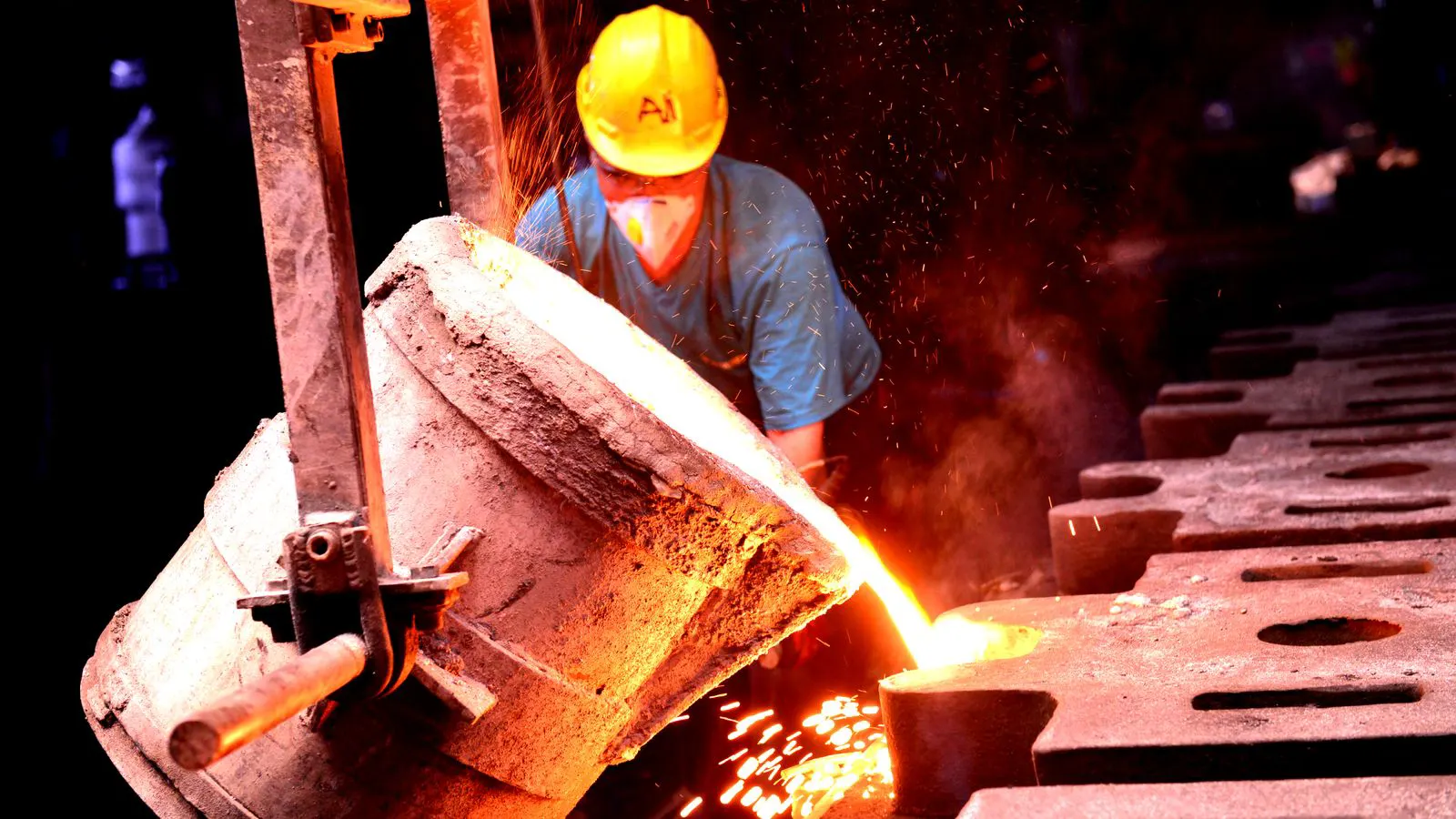
Forge steel prices impact the total cost of your forged parts. Understanding how raw material costs translate into final prices helps procurement teams budget accurately. Learn how alloy steel cost and material budgeting affect sourcing decisions.
- Raw material costs are a major component of forged part pricing, especially for alloy steels.
- Material budgeting requires accounting for price volatility, surcharges, and minimum order quantities.
- Lead times and stock availability can influence total landed cost and production schedules.
- Clear specifications and consistent part designs help stabilize costs and reduce negotiation friction.
- Working closely with suppliers on forecasts and material traceability improves budget accuracy.
How Raw Material Costs Shape Forged Part Pricing
Forge steel prices directly influence the cost of every forged part, from simple fasteners to complex structural components. Procurement teams often focus on the final unit price, but understanding how raw material costs are built into that price is essential for accurate budgeting.
The cost of a forged part is not just the price of the finished item. It includes the raw material, energy for heating, forming labor, post-forging operations such as machining and heat treatment, quality inspection, and overhead. Raw material is typically the largest single cost driver, particularly when using higher-alloy or specialty steels.
When procurement teams ask for a quote, suppliers need to know the grade of steel, the quantity, the required tolerances, and any additional processing. The more defined the specification, the more accurate the price can be. Vague or shifting requirements can lead to higher quotes because suppliers must add margins to cover potential rework or expedited material purchases.
What Drives Forge Steel Prices?
Several factors influence forge steel prices, and understanding them helps procurement teams anticipate changes and plan for them.
Alloy Steel Cost
Alloy steel cost is a key variable in forged part pricing. Carbon steels are generally less expensive to produce than alloy steels, which contain elements such as chromium, nickel, molybdenum, and vanadium. These elements improve strength, wear resistance, and heat resistance, but they also increase the raw material cost.
The price of alloy steels can fluctuate based on commodity markets, refining capacity, and global supply chains. Even small changes in the cost of nickel or molybdenum can ripple through the supply chain, affecting the final price of forged components.
Market Volatility and Surcharges
Raw steel prices are influenced by global commodity markets, energy costs, and demand cycles. Suppliers often include price adjustment clauses in contracts to account for sudden spikes in material costs. Procurement teams should ask whether quotes include fixed prices or are subject to periodic revisions.
Surcharges may also apply for special grades, small batch orders, or materials that require additional certification. These additional costs are not always visible in the base price, so it is important to clarify what is included in the quote.
Lead Time and Inventory
Lead time can also affect the total cost of materials. If a supplier does not have the required grade in stock, they may need to purchase from a mill or wait for a production slot. This can delay delivery and increase costs due to expediting or air freight.
Maintaining a buffer stock of critical materials can help mitigate lead time risks, but it also ties up capital. Procurement teams must balance the cost of holding inventory against the risk of production delays.
How Material Budgeting Works in Forged Parts
Material budgeting is the process of estimating the raw material cost for a given production run. For forged parts, this involves calculating the weight of the finished part, adding a factor for forging shrinkage and trim, and applying the price per kilogram or ton of the specified steel.
The exact calculation depends on the forging process. For example, open-die forging may use more material than closed-die forging due to different shrinkage and trim requirements. The supplier’s yield rate—the percentage of raw material that becomes a usable part—also affects the cost.
Procurement teams should ask suppliers to provide a breakdown of material cost and other cost elements. This transparency helps in identifying where savings can be made, such as by selecting a lower-grade steel that still meets performance requirements or by adjusting part geometry to reduce trim loss.
A Worked Example in Plain Words
Imagine a procurement team needs to source 10,000 forged brackets made from a high-strength alloy steel. The supplier provides a quote that includes the cost of the raw steel, the forging process, and post-forging machining.
The raw material cost is calculated based on the weight of one bracket, including a small allowance for material loss during forging. The supplier then multiplies this by the price per kilogram of the alloy steel. This material cost forms a significant portion of the total quote.
In this example, the team notices that the supplier’s quote assumes a certain grade of alloy steel. By discussing the application with the supplier, the team realizes that a slightly different grade, with slightly different properties, might be acceptable for their specific use case. This change lowers the raw material cost without compromising performance.
This is a common scenario in material budgeting. By clearly defining the performance requirements and working with the supplier to identify the most cost-effective material, procurement teams can reduce the overall cost of forged parts.
How Lead Times Influence Total Cost
Lead time is not just a delivery date; it is a cost factor. When a supplier has to source raw material, process it, and then forge the parts, each step adds time and potential cost.
Long Lead Times and Production Planning
If lead times are long, procurement teams may need to place orders earlier, which can tie up capital and increase storage costs. They may also need to adjust their production schedules to accommodate material availability.
Expedited Orders
Expedited orders often come with premium pricing. If a supplier needs to prioritize a specific order over others, they may charge an additional fee. This can significantly increase the total cost of the part.
Procurement teams should build realistic lead times into their production plans and maintain open communication with suppliers about anticipated demand changes.
Practical Tips for Procurement Teams
To manage forge steel prices and improve material budgeting, procurement teams can take several practical steps.
- Define Specifications Early. Clear and consistent part drawings and material specifications reduce the chance of miscommunication and rework. Suppliers can price more accurately when they know exactly what is required.
- Ask for a Cost Breakdown. Request quotes that break down material cost, labor, overhead, and profit. This helps identify where savings can be made and provides a basis for negotiation.
- Consider Alternative Grades. Work with the supplier to explore alternative steel grades that meet performance requirements at a lower cost. A small change in alloy composition can sometimes yield significant savings.
- Plan for Price Volatility. Build price adjustment clauses into contracts or maintain a buffer in the budget to account for fluctuations in raw material costs.
- Maintain Supplier Relationships. Strong relationships with suppliers can lead to better pricing, priority production slots, and early notice of market changes.
How to Evaluate Supplier Quotes
When comparing quotes from multiple suppliers, look beyond the final price. Consider the following factors:
- Material Grade and Source: Does the supplier use the specified grade from a reputable mill?
- Quality Certifications: Are material traceability and test reports included?
- Yield Rate: What is the supplier’s typical yield rate for your part?
- Lead Time: How long is the standard lead time, and what are the options for expedited delivery?
- Contract Terms: Are prices fixed or variable? What are the terms for price adjustments?
By evaluating these factors, procurement teams can make more informed decisions and avoid hidden costs.
The Bottom Line
Forge steel prices are a critical factor in the total cost of forged parts. By understanding how raw material costs, alloy steel cost, and lead times influence final pricing, procurement teams can budget more accurately and make better sourcing decisions.
Clear specifications, transparent communication with suppliers, and a focus on performance requirements rather than just price can help reduce costs without compromising quality. Material budgeting is an ongoing process, and staying informed about market trends and supplier capabilities is key to success.
Frequently asked questions
What is the biggest cost factor in forged parts?
Raw material is typically the largest single cost driver, especially for alloy steels. The final price also includes forging, machining, heat treatment, and overhead.
How do alloy steel prices affect procurement budgets?
Alloy steel prices fluctuate based on commodity markets and refining capacity. Procurement teams should build for price volatility and clarify whether quotes are fixed or variable.
Can changing the steel grade reduce costs?
Yes, in many cases. Working with a supplier to select an alternative grade that meets performance requirements can lower raw material costs without compromising part function.
How does lead time impact total cost?
Long or unpredictable lead times can increase costs through expediting, air freight, or production delays. Planning ahead and maintaining buffer stock can help mitigate these risks.
What should I ask for in a supplier quote?
Request a cost breakdown that separates material, labor, overhead, and profit. Also ask about yield rates, quality certifications, and contract terms for price adjustments.


