How to Choose a Metal Forging Supplier in 2026
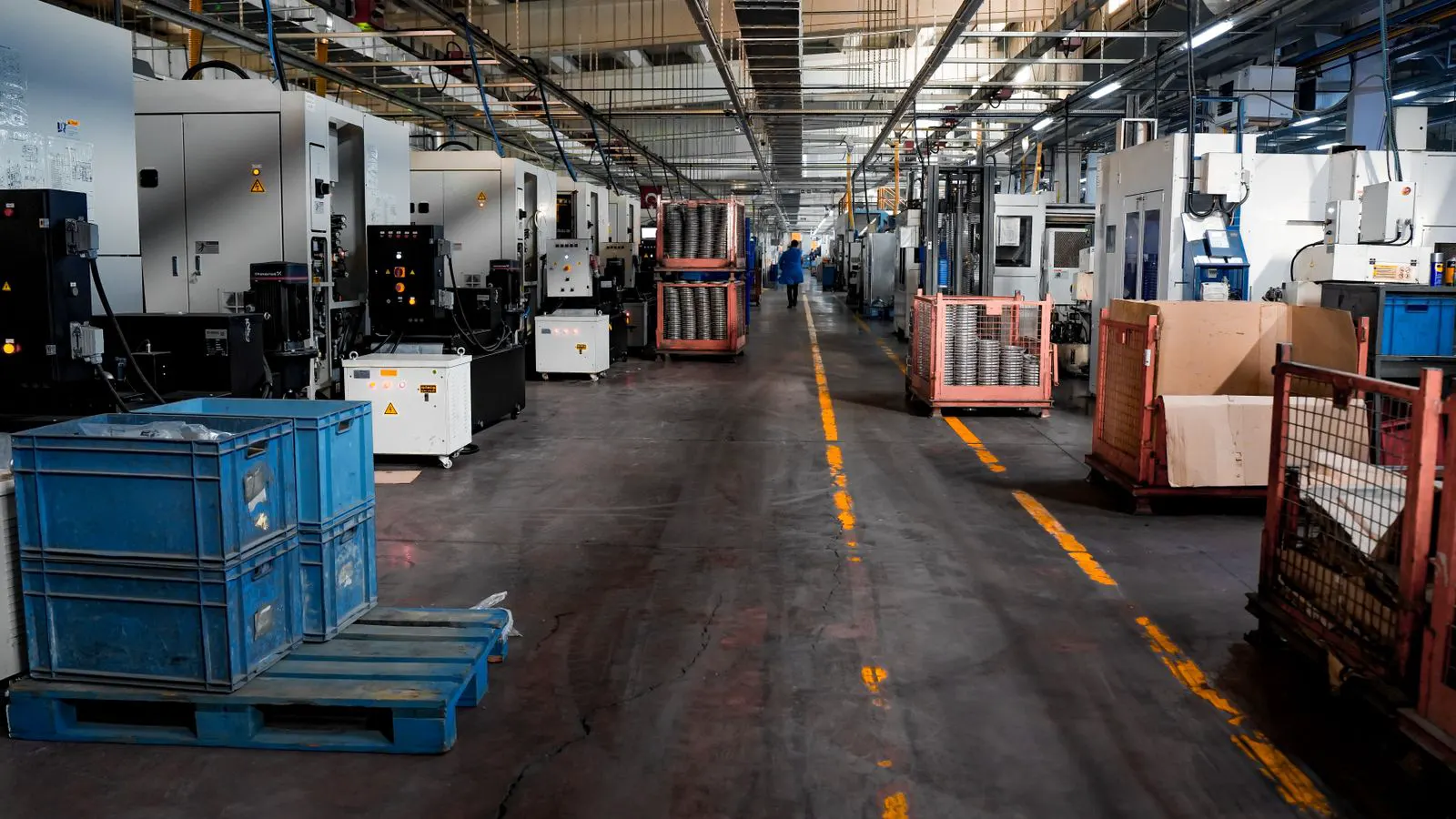
Evaluating a metal forging supplier requires a structured review of technical capability, quality systems, financial stability, and logistics. This guide outlines the key criteria buyers should apply to select a reliable forging partner for complex or high-volume production needs.
- Define technical specifications and compliance requirements before contacting potential forging suppliers.
- Evaluate a supplier’s quality systems, inspection capabilities, and traceability processes.
- Assess financial stability and production capacity to protect long-term supply reliability.
- Use clear lead-time expectations and communication protocols to reduce project risk.
- Build a multi-source strategy where volume and criticality justify it.
Why Supplier Selection Matters for Metal Forging Projects
Selecting the right metal forging supplier is one of the most consequential steps in procurement. A strong partner can improve yield, reduce defects, shorten cycle time, and support consistent quality across production runs. A weak choice can create delays, quality escapes, and costly rework.
For buyers and engineers, the goal is to move beyond price quotes and assess the full capability of a potential forging supplier. The evaluation should cover technical fit, quality systems, financial health, logistics, and communication. This article provides a practical framework for selecting a reliable metal forging supplier for industrial, automotive, aerospace, energy, or general manufacturing applications.
What Technical Criteria Should You Evaluate First?
The first step is to confirm that the supplier can meet your technical requirements. This includes the forging type, material range, tonnage, part complexity, and quantity.
Key technical factors to review:
- Forging process capability — Confirm whether the supplier uses open-die, closed-die, hammer, press, or multi-station forging. Some parts require specific tonnage, die design, or heat treatment.
- Material range — Verify whether the supplier works with carbon steel, alloy steel, stainless steel, nickel alloys, titanium, or specialty materials.
- Size and tonnage limits — Ensure the supplier can handle your part weight, blank size, and forging force requirements.
- Secondary operations — Some parts need machining, heat treatment, shot peening, coating, or surface finishing. Determine whether these are in-house or outsourced.
- Tooling and die management — Ask who owns the dies, how they are maintained, and whether die changes are included in lead time.
A supplier that can only provide a generic quote without asking about material grade, tolerance, heat treatment, or traceability may not be fully aligned with your requirements.
How Do You Assess Quality and Compliance?
Quality systems are often the clearest indicator of a supplier’s reliability. A metal forging supplier should be able to demonstrate consistent processes, documented procedures, and effective inspection.
What to look for:
- Quality management system certification, such as ISO 9001 or industry-specific standards.
- Capability to provide material certificates, heat numbers, and traceability records.
- Inspection methods such as dimensional checks, hardness testing, ultrasonic testing, dye penetrant testing, or radiographic testing.
- Corrective action processes for defects or non-conforming material.
- Experience in your industry, especially if the part is safety-critical.
For aerospace, medical, energy, or defense applications, compliance requirements are stricter. Buyers should confirm whether the supplier has prior experience with relevant specifications and whether it can support first-article inspection, PPAP, or audit requirements.
Quality should not be treated as a final inspection step. It should be built into the forging process, heat treatment, machining, and packaging.
What Should You Look for in Cost and Lead Time?
Cost and lead time are closely connected. A low price with an unrealistic schedule can be more expensive than a moderate quote with reliable delivery.
When comparing quotes, ask for:
- Unit price by production run size.
- Setup and tooling costs.
- Lead time from tooling release to first-article approval.
- Lead time from first-article approval to bulk production.
- Minimum order quantity.
- Payment terms and freight responsibility.
- Change-order policy.
A reliable metal forging supplier should give you a clear breakdown rather than only a total price. The breakdown helps you identify where value is being added or where risk is being transferred to you.
For long-term programs, request a price review schedule. Raw material costs, energy costs, and freight rates can change, and a supplier should explain how those changes will be handled.
How Can You Evaluate Financial and Operational Stability?
A supplier’s financial health affects its ability to meet deadlines, invest in equipment, and support long-term demand. During supplier selection, buyers should assess whether the partner can sustain production over time.
Consider:
- Years of operation and growth history.
- Production capacity and utilization.
- Ownership of critical equipment.
- Ability to add shifts or expand capacity if demand increases.
- Customer base and reference projects.
- Geographic location relative to your facility or logistics hub.
You do not need to request detailed financial statements from every supplier, but you should ask direct questions about capacity, growth plans, and risk management. A supplier that is already near full capacity may be able to meet a small order but may struggle with scale-up or urgent changes.
What Should You Say About Communication and Contract Terms?
Communication is a major but often underestimated factor in supplier selection. A capable forging supplier that cannot communicate clearly can create delays during tooling, inspection, or production.
Evaluate:
- Responsiveness of the sales and engineering teams.
- Clarity of project milestones and reporting.
- Whether there is a dedicated project manager.
- Language and cultural fit, if the supplier is overseas.
- Contract terms for intellectual property, dies, tooling ownership, and change orders.
For complex parts, it is useful to require a written project plan that includes tooling, heat treatment, machining, inspection, and shipping. The plan should state who is responsible for each milestone and what happens if a milestone is delayed.
Criteria Table for Evaluating a Metal Forging Supplier
The table below summarizes the main criteria buyers should use when comparing potential suppliers.
| Criterion | What to look for | Why it matters |
|---|---|---|
| Technical capability | Correct forging process, material range, tonnage, and part complexity | Ensures the supplier can produce the part as specified |
| Quality systems | Certifications, inspection methods, traceability, corrective action | Reduces defect risk and supports audit readiness |
| Financial stability | Capacity, growth history, equipment ownership, customer base | Helps protect long-term supply and scale-up |
| Lead time | Tooling time, first-article time, production time, shipping time | Affects project schedule and inventory planning |
| Cost structure | Unit price, tooling costs, MOQ, payment terms | Helps compare true total cost, not just price |
| Communication | Project manager, responsiveness, reporting cadence | Reduces delays and misalignment during execution |
| Industry experience | References in your sector or similar applications | Helps confirm understanding of requirements and risk |
How Should You Structure Your Sourcing Strategy?
Your sourcing strategy should match the criticality of the part and the volume you expect. For low-risk, low-volume parts, a single supplier may be sufficient. For mission-critical or high-volume parts, a dual-source or multi-source strategy may reduce risk.
A practical sourcing approach:
- Shortlist three to five qualified metal forging suppliers.
- Send a detailed request for quotation with drawings, material specs, and quantity.
- Ask each supplier for a capability statement and quality documentation.
- Conduct a technical review and site visit where possible.
- Request a first article or pilot run before committing to volume.
- Define performance metrics such as on-time delivery, defect rate, and responsiveness.
- Review performance quarterly and adjust sourcing accordingly.
If you are sourcing from multiple regions, consider logistics, trade compliance, and currency risk. A lower-cost supplier in a distant location may not be the best choice if freight, duty, or delay risk increases total cost.
Closing Decision Checklist
Before finalizing a metal forging supplier, review the checklist below.
- The supplier confirmed the forging process, material, and tonnage requirements.
- You reviewed the supplier’s quality certifications and inspection capability.
- The supplier provided traceability and material documentation examples.
- You received a clear cost breakdown, including tooling and setup.
- Lead time was confirmed for tooling, first article, and production.
- The supplier has capacity for your current and potential future volume.
- Contract terms cover dies, IP, change orders, and liability.
- You identified a project manager and communication protocol.
- You have a reference or pilot-run plan before full production.
A strong supplier selection process reduces risk and sets the foundation for a productive long-term relationship. By focusing on capability, quality, stability, cost, and communication, buyers can choose a metal forging supplier that supports both immediate project needs and future growth.
Frequently asked questions
What is the most important factor when choosing a metal forging supplier?
Technical fit is often the starting point, but reliability is determined by quality systems, financial stability, and communication. A supplier must be able to make the part consistently and meet schedule requirements.
Do I need to visit a forging supplier before selecting them?
A site visit is valuable for complex or high-risk parts, especially when evaluating capacity, quality controls, and production environment. For lower-risk parts, a detailed capability review and pilot run may be enough.
How should I compare cost quotes from different suppliers?
Compare total cost, including tooling, setup, inspection, freight, and potential change orders. A lower unit price may be offset by higher tooling costs, longer lead time, or weaker quality controls.
Can a small forging supplier be reliable?
Yes, if it has the right equipment, experienced personnel, and effective quality systems. Size alone is not the best indicator of reliability; process discipline and capacity planning are more important.
What documents should I request during supplier selection?
Request a capability statement, quality certificate, sample material traceability records, inspection reports, and a proposed project plan. For regulated industries, also ask for relevant compliance documentation.


