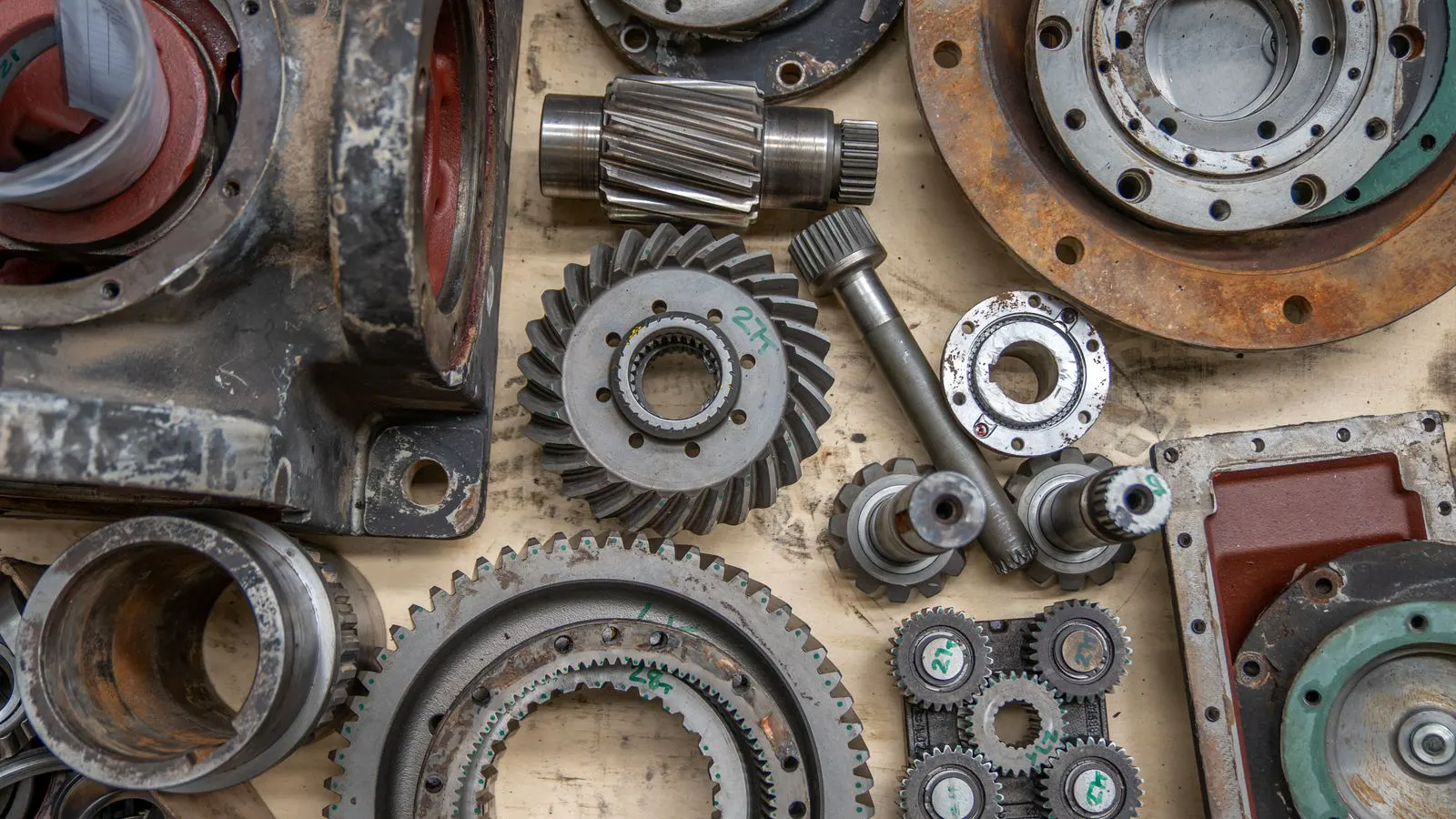
Explaining Low Alloy Steel Forging for Heavy Equipment
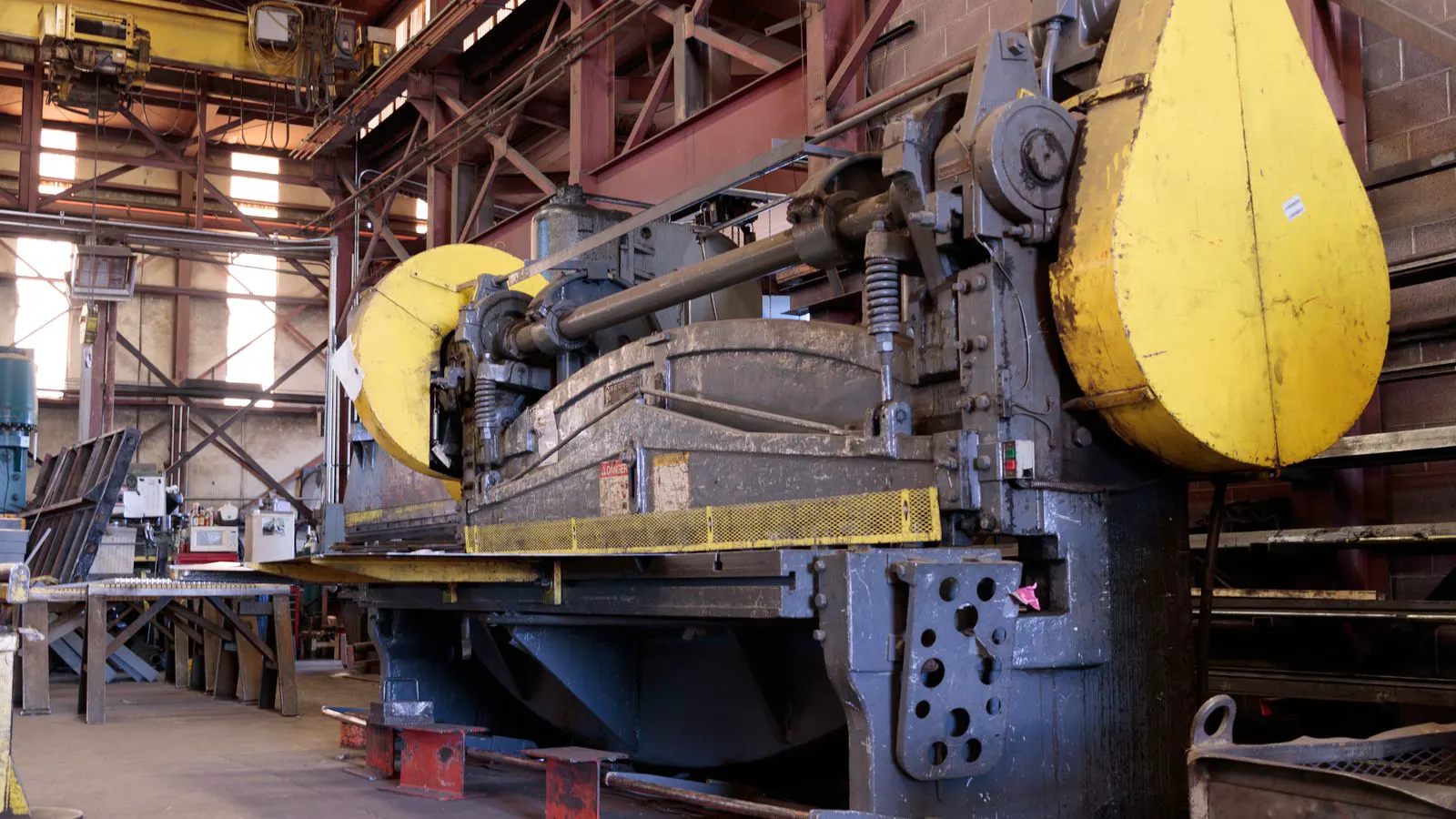
Low alloy steel forging balances cost and strength for heavy machinery. By understanding grade selection, heat treatment, and mechanical properties, engineers can specify the right material for demanding components. This guide explains how alloy grades affect sourcing and performance.
- Low alloy steels add small percentages of elements like molybdenum or nickel to base carbon steel for better strength.
- Sourcing depends on the specific alloy grade, heat treatment, and final mechanical properties required for the part.
- Heavy equipment parts like axles and frames often use low alloy steels because they withstand high stress without excessive weight.
- Engineers must match the alloy grade to the duty cycle and failure mode they are trying to prevent.
- Cost and lead time shift when moving between common alloy grades due to availability and processing requirements.
Why Low Alloy Steel Matters in Heavy Machinery
Heavy equipment does not fail in one single way. Parts bend, crack, wear, or fatigue over time. The material choice dictates how a component responds to those forces. Low alloy steel forging sits at a practical middle ground between plain carbon steel and high alloy steels. It offers improved strength and toughness without the full cost and processing complexity of specialty alloys.
For engineers and buyers, the term “low alloy” refers to steels containing small amounts of elements such as molybdenum, nickel, chromium, or vanadium. These elements usually make up only a few percent of the total composition. This small addition changes how the metal behaves when heated, forged, and quenched. The result is a material that can handle higher loads while remaining easier to work than high alloy options.
This distinction matters when sourcing. A buyer cannot simply ask for “strong steel.” They must define the grade, the heat treatment, and the final mechanical properties. These details drive cost, lead time, and the risk of part failure in the field.
How Alloy Grades Change Forging Behavior
The chemistry of a steel determines how it responds to forging and heat treatment. In a low alloy forging, the added elements improve hardenability. That means the steel can be heat treated to a higher hardness level while still maintaining toughness in the core of the part. Plain carbon steel often hardens quickly near the surface and stays softer inside. This mismatch can lead to cracking during quenching.
Low alloy steels address this problem. Elements like molybdenum slow down the cooling rate of the steel during quenching. This allows a more uniform hardness distribution across the cross-section. For heavy equipment, that uniformity is what prevents sudden fracture.
The forging process itself also changes. Low alloy steels often require careful control of the heating temperature. They are more sensitive to overheating than plain carbon steels. If the steel is held too hot, it can scale badly or develop grain growth. These defects reduce the final strength of the part. A qualified forging facility will use thermocouples and controlled furnace cycles to manage this.
When sourcing, these process requirements affect lead time and cost. A shop must have the right furnace capability and experienced operators. Not every forging facility can handle every low alloy grade with the same consistency.
Key Properties for Heavy Equipment Applications
Heavy equipment operates under constant stress. Trucks, excavators, cranes, and industrial presses all demand materials that can handle impact, fatigue, and sustained loads. Low alloy steels are selected for specific property combinations.
Strength is the first requirement. The material must resist deformation under load. Toughness is the second. The material must absorb energy without cracking. Hardness is the third. It helps resist wear and surface damage. Fatigue resistance is the fourth. The material must survive millions of load cycles without failing.
Each low alloy grade offers a different mix of these properties. Some are optimized for high strength in thin sections. Others are chosen for impact resistance in large, thick cross-sections. The selection depends on the specific part geometry and the environment it will face.
Practical Example: Axle Forging Selection
Consider a heavy-duty drive axle for a mining truck. This part experiences extreme torque, road shock, and constant vibration. The axle shaft is a long, tapered cylinder that must resist bending and torsion.
A plain carbon steel axle would be too weak. It would deflect or crack under the high torque. A high alloy steel axle might offer even more strength, but it would be more expensive and harder to machine. Low alloy steel offers the right balance.
An engineer selects a specific low alloy grade that can be forged into the axle shape and then quenched and tempered. The forging process shapes the metal into the tapered profile. The heat treatment develops the core strength needed to resist torsion. The surface hardness helps resist wear at the bearing seats.
The buyer must specify the final hardness range in HRC, the minimum tensile strength, and the impact energy at a specific temperature. These numbers, not just the grade number, define the acceptance criteria. If the supplier cannot meet these mechanical properties, the part is rejected regardless of the steel grade stamped on the mill certificate.
Sourcing Decisions: Cost, Lead Time, and Quality
Sourcing low alloy steel forging is a balancing act. The buyer wants the lowest cost and the fastest delivery. The engineer wants the highest reliability and the tightest tolerances. These goals often pull in different directions.
Cost is driven by three main factors. The first is the grade itself. Some low alloy grades are more common than others. Common grades are usually cheaper because they are stocked in larger quantities and processed more frequently. Less common grades require special ordering from mills and longer processing times.
The second factor is the heat treatment. A part that requires a deep quench and a specific tempering cycle costs more to process. The third factor is the final inspection. Heavier inspection, such as ultrasonic testing or hardness mapping, increases the price per part.
Lead time is often the bigger constraint. Mills may not have the specific steel billet for a low alloy grade in stock. The forging shop must wait for the billet to arrive before they can start. Then they must schedule the forging and heat treatment. Finally, the part must pass inspection. Each step adds days to the timeline.
Quality is not optional. For heavy equipment, a failed part can be dangerous and costly. The buyer should require mill test reports for every heat of steel. They should also require heat treatment certificates. These documents prove that the material met the specified properties.
Common Mistakes in Specification
Engineers and buyers often make the same mistakes when specifying low alloy steel forging. The first mistake is specifying only the grade number without defining the mechanical properties. A grade number tells you the chemistry, but it does not tell you the final strength. Two parts made from the same grade can have different hardness levels depending on the heat treatment.
The second mistake is ignoring the cross-section size. Thick sections cool slowly and are harder to harden uniformly. A thin section cools quickly and can crack if the quench is too aggressive. The engineer must tell the forging shop the maximum thickness of the part. This allows the shop to design the right heating and cooling cycles.
The third mistake is underestimating the tolerance for surface finish. Forged parts are not machined to a perfect finish. They have a scale and a rough surface. If the part will be ground or polished later, that must be specified. If it will be used as forged, the surface tolerance must be set accordingly.
Comparing Common Low Alloy Grades
Different low alloy grades serve different purposes. The table below shows how common grades compare in terms of typical use and key characteristics.
| Grade | Typical Application | Key Characteristic | Sourcing Note |
|---|---|---|---|
| 4140 | Axles, shafts, gears | Balanced strength and toughness | Widely available, short lead times |
| 4340 | High-strength shafts, tools | Higher hardenability | More expensive, longer lead times |
| 4130 | Structural parts, frames | Good weldability and formability | Common in heavy equipment |
| 4240 | High-stress structural parts | Improved fatigue resistance | Less common, requires careful sourcing |
| 8620 | High-speed shafts, gears | Excellent wear resistance | Often requires specialized heat treatment |
The choice between these grades depends on the specific failure mode the engineer is trying to prevent. A part that fails in fatigue may need a grade with better fatigue resistance. A part that fails in impact may need a grade with higher toughness. A part that fails in wear may need a grade that holds a higher surface hardness.
Final Thoughts
Low alloy steel forging is a mature technology with clear rules. The material choice is not about finding the strongest steel. It is about finding the right steel for the specific duty. Heavy equipment parts fail in predictable ways if the material is wrong. They last a long time if the material is right.
Buyers and engineers should focus on the mechanical properties, not just the grade number. They should verify the heat treatment process and the inspection methods. They should plan for lead time and cost by understanding the sourcing dynamics.
When these factors are aligned, low alloy steel forging delivers durable, reliable parts for the toughest applications. The result is heavy equipment that performs when it matters and lasts through the full service life.
Frequently asked questions
What is the main difference between low alloy steel and plain carbon steel?
Low alloy steel contains small additions of elements like molybdenum or nickel that improve hardenability and strength. Plain carbon steel relies mostly on carbon and iron for its properties.
How does heat treatment affect low alloy steel forging?
Heat treatment develops the final hardness and strength of the part. Low alloy steels can be hardened more deeply and uniformly than plain carbon steels due to their higher hardenability.
Why is cross-section size important when selecting a low alloy grade?
Thick sections cool slowly and are harder to harden uniformly. Thin sections cool quickly and can crack. The grade must be chosen to handle the specific size of the part.
What documents should a buyer request with a forged part?
A buyer should request mill test reports for the steel heat and heat treatment certificates for the part. These documents verify that the material met the specified mechanical properties.
Can low alloy steel be welded?
Yes, some low alloy grades are weldable. However, the weldability depends on the specific grade and the welding procedure used. Engineers must consider the weldability when designing the part.