Explaining Carbon Steel Grades for Forged Components
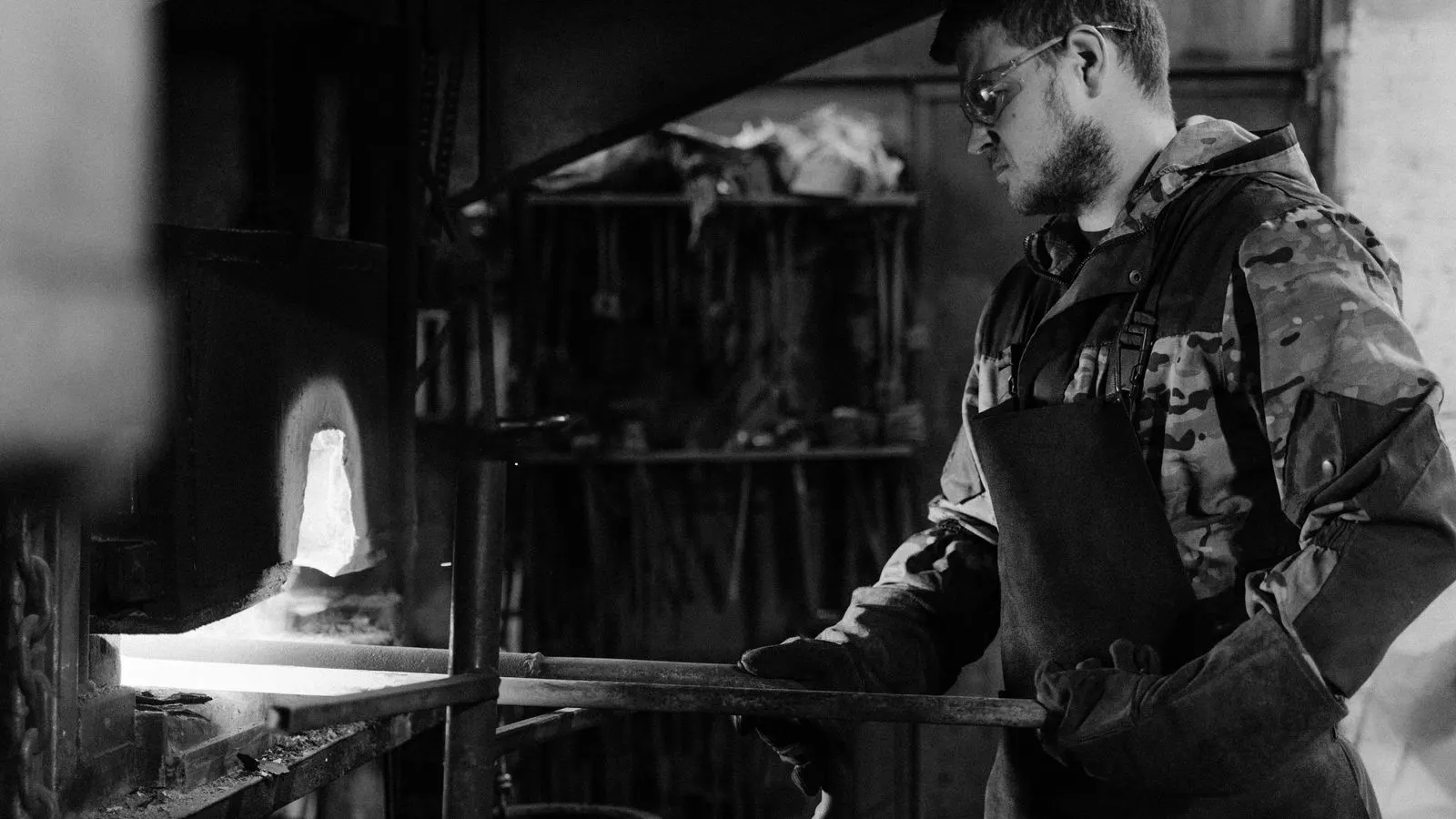
Carbon steel grades vary by carbon content, alloy additions, and heat treatment. These differences dictate forging temperatures, workability, and the final strength of the part. Selecting the right grade requires balancing mechanical needs against production cost and finishability.
- Carbon content is the primary driver of a steel grade's hardness, strength, and forging difficulty.
- Alloy carbon steels add specific elements to improve toughness, wear resistance, or heat treatment response.
- Heat treatment is a separate step that finalizes the mechanical properties of the forged part.
- Always verify mill certifications to ensure the actual chemistry matches the purchased grade.
- Match the steel grade to the part's load, service environment, and tolerance requirements.
Why Carbon Content Drives Forging Behavior
Carbon content dictates the fundamental behavior of steel under forging conditions. The percentage of carbon in the alloy determines the temperature range where the metal can be deformed safely without fracturing. Higher carbon content increases the hardness of the metal at elevated temperatures, which reduces its ductility. This makes the material stiffer and less able to flow under the pressure of the forging hammer. If the metal is too hard at the forging temperature, it resists deformation and requires more force from the press. If the force exceeds the machine capacity, the die may fail, or the part may not reach its final shape.
For low carbon steels, the metal remains soft and ductile over a broader temperature range. These grades are forgiving. The engineer has a wider window to adjust the furnace temperature without risking immediate failure. The metal flows easily, allowing for complex shapes or thick sections. The primary limitation of low carbon steels is that they cannot be hardened to high levels after forging. They remain relatively soft even after heat treatment. This makes them suitable for general structural components, chassis parts, and brackets where toughness and ease of forming are prioritized over surface hardness.
High carbon steels present a different challenge. The window for safe forging is narrow. The metal must be heated to a precise range where it is soft enough to deform but hot enough to avoid grain growth. If the temperature is too low, the metal is brittle and will crack under pressure. If the temperature is too high, the grain structure grows, reducing the final strength of the part. Cooling is also critical for high carbon grades. Rapid cooling can induce high internal stresses, leading to cracks or warping. The engineer must control both the heating and cooling rates carefully. A slight deviation in furnace temperature can result in a rejected part. This sensitivity is why low carbon grades are often chosen for high-volume general purpose components that do not require extreme strength. The trade-off is that these parts may require specific heat treatment to achieve the necessary surface hardness for wear resistance.
How Alloy Additions Change the Grade
Alloy carbon steels differ from plain carbon steels by the inclusion of small percentages of elements such as chromium, molybdenum, nickel, or manganese. These additions modify the phase transformation behavior of the steel. They change how the material responds to heat and how it performs in service under load. The chemistry of the alloy dictates the quenchability, meaning how deeply the material can be hardened during the cooling phase.
For example, a steel with molybdenum added responds better to quenching. Molybdenum slows the transformation from austenite to martensite. This slows down the formation of internal stresses during rapid cooling. It reduces the likelihood of cracking during the hardening phase. This allows the engineer to achieve higher hardness in the final part without the material becoming excessively brittle. Another example is a steel with chromium added. Chromium improves wear resistance and increases the hardness of the surface after quenching and tempering. It makes the part last longer in abrasive environments or under high friction conditions.
The selection of an alloy grade is a decision based on the specific failure modes the part must survive. A gear in a mining machine may need a different alloy than a structural bracket in a building. The gear experiences high contact stress and impact loads, requiring a material with high toughness and resistance to fatigue. The bracket experiences static loads and must resist corrosion or wear from environmental factors. The alloy selection must match the service life, the loading conditions, and the manufacturing constraints. An engineer must consider how the alloy elements interact with the forging process. Some alloys are difficult to forge because they require very high temperatures. Others are easier to work but require precise heat treatment to unlock their full potential.
Comparing Common Carbon Steel Grades for Forging
The following table outlines typical characteristics of common carbon steel grades used in forging. These properties are generalizations. Actual values depend on the heat treatment and the specific mill specification.
| Steel Grade | Carbon Range | Typical Use | Forging Note |
|---|---|---|---|
| A1008 | Low | General structural | Easy to forge, soft, low cost |
| 1018 | Low | Chassis parts, brackets | Good workability, standard heat treat |
| 1045 | Medium | Axles, pins | Requires careful heat treat for strength |
| 4140 | Medium Alloy | Gears, shafts | Tough, high strength, responsive to quench |
| 8620 | High Alloy | Gears, high stress | Hard to forge, needs carburizing |
The low carbon grades in this list are workhorses. They are inexpensive and easy to form. However, they cannot be hardened to high levels. They are suitable for parts that do not require high surface hardness. The medium carbon grades offer a balance. They can be hardened to a useful level of surface hardness. They are commonly used for axles, pins, and structural components that experience moderate loads. The alloy grades are premium materials. They are more expensive but provide superior toughness and wear resistance. They are preferred for high stress applications where failure is not an option.
The Role of Heat Treatment in Final Performance
Forging shapes the material. Heat treatment gives it its final mechanical properties. A forged part made from a low carbon steel might be soft and tough out of the die. It may not have enough surface hardness to resist wear. Heating it and then cooling it slowly, or quenching it in oil or water, changes the internal structure. This process, known as hardening, increases the surface hardness.
However, hardening introduces internal stresses. If the part is not cooled correctly, it can warp or crack. This is where the choice of grade matters. Some grades are sensitive to cooling rate. Others are more forgiving. An engineer must know the quenching characteristics of the specific grade selected. This knowledge prevents costly defects and ensures the part meets the required hardness specifications.
Practical Example of Grade Selection
Consider a simple example. A manufacturer needs to produce a set of drive shafts for a small industrial pump. The shafts must withstand continuous torque and resist wear at the journal seats. The design calls for a specific strength and a surface hardness to match the bearing.
The engineer evaluates the options. A low carbon steel is too soft. It would wear quickly. A high carbon steel might be too brittle and difficult to machine after forging. A medium carbon steel like 1045 or an alloy grade like 4140 is a strong candidate. The engineer checks the expected load. If the torque is high, the 4140 is preferred because its alloying elements improve toughness. The decision is not just about strength. It is about the combination of strength, toughness, and ease of machining. The final choice is documented in the drawing and the material specification.
Verifying the Material Before Forging
Even with the correct grade selected, the actual material can vary. Mill chemistry can deviate slightly from the nominal specification. This variation can affect forging behavior and final hardness. It is standard practice to verify the material before it enters the forging press.
This involves checking the mill certification. The document should list the actual chemical analysis and the heat number. It should also confirm the mechanical properties achieved after any required heat treatment. If the material is arriving in bar or billet, the engineer should confirm the mill’s capabilities. This step prevents the use of off-spec material that could lead to failed parts.
Common Mistakes in Material Selection
One common error is selecting a grade based solely on cost. The cheapest steel may not survive the service life required. This leads to frequent replacements and higher long-term costs. Another mistake is ignoring the finishability of the steel. Some alloy steels are very hard to machine if not heat treated correctly. The engineer must consider the entire process, from forging to machining to final assembly.
A third error is assuming that all steels behave the same way during forging. This is incorrect. Each grade has its own temperature range for safe deformation. Ignoring these ranges leads to defects like cracking or poor grain flow. The material selection process must include a review of the forging process requirements.
Conclusion
Selecting the right carbon steel grade for a forged component is a technical decision. It requires an understanding of how carbon content, alloy additions, and heat treatment interact to produce the desired material properties. The engineer must balance mechanical performance against cost and manufacturability. By following a structured approach and verifying the material, the risk of failure is minimized. The final part must perform reliably in its intended application. This requires a careful match between the steel grade and the part design.
Frequently asked questions
What is the difference between low and high carbon steel?
Low carbon steel has less than 0.3% carbon, making it softer and easier to forge. High carbon steel has more carbon, making it harder but more difficult to work with.
Why do alloy steels cost more than plain carbon steel?
Alloy steels contain added elements like chromium or molybdenum. These elements improve specific properties like toughness or wear resistance, which increases the material cost.
Can low carbon steel be hardened?
Yes, but it has a limited hardening capacity. It can be hardened to a moderate level, but it cannot reach the high hardness levels achievable with medium or high carbon steels.
How does heat treatment affect forged steel?
Heat treatment changes the microstructure of the steel. It can increase surface hardness, improve toughness, and relieve internal stresses from the forging process.
Do I need to check mill certifications for every batch?
Yes, it is best practice to verify the mill certification for each batch of material. This ensures the actual chemistry matches the grade specified in the drawing.


