Outlook: Digital Twin Simulation in Forging Process Design
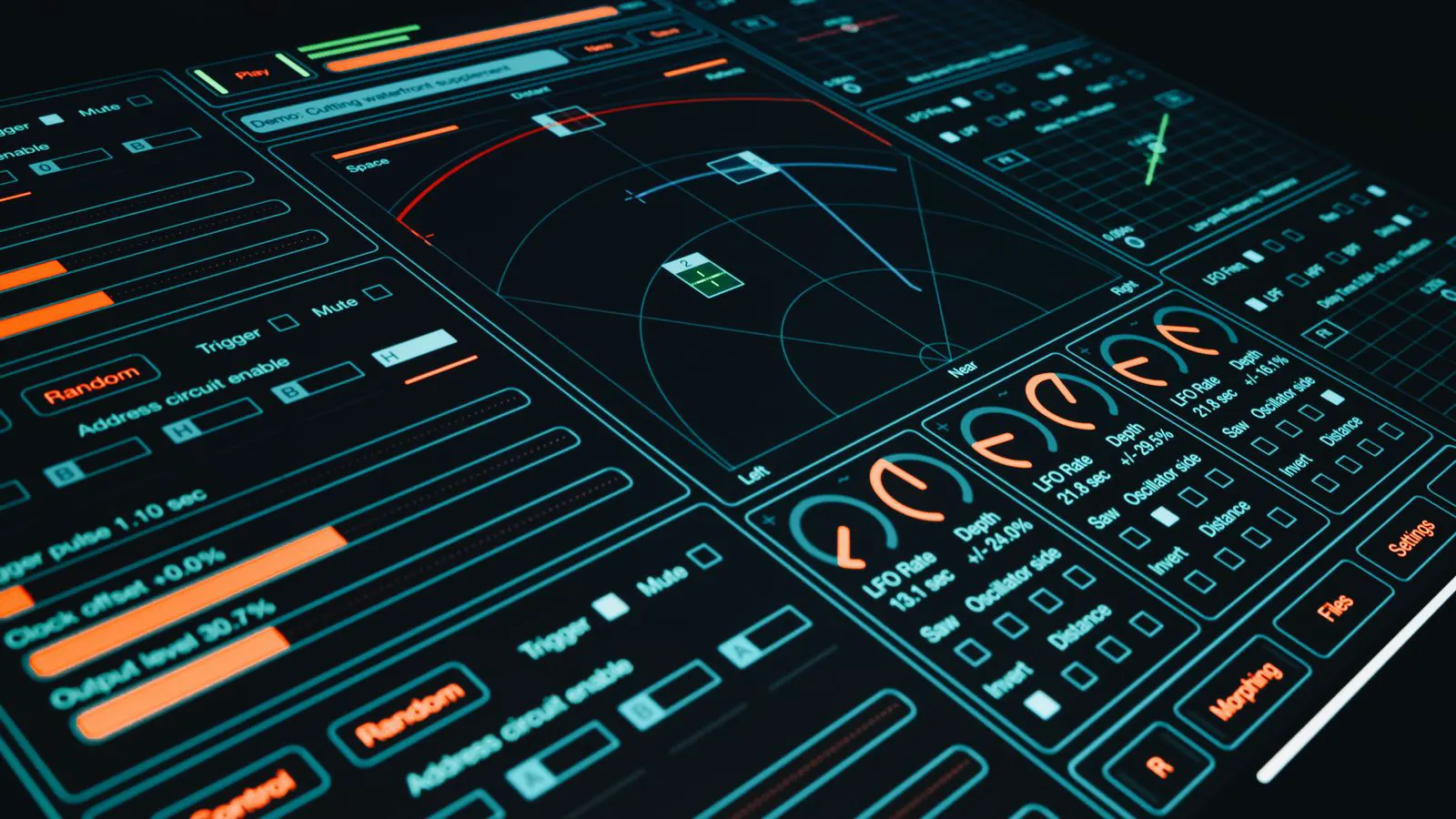
Simulation technology is moving from a verification tool to a primary design driver. This shift reduces physical trial runs, compresses qualification schedules, and lowers per-unit costs. Buyers should plan for greater data integration, stricter vendor reporting standards, and earlier simulation involvement in the design phase.
- Digital twin forging reduces the need for expensive physical trial runs and scrap material.
- Process optimization through simulation shortens qualification time for new parts.
- Buyers must request simulation reports and heat maps as standard deliverables from vendors.
- Early integration of simulation into design prevents late-stage die and process changes.
- Data quality and material property databases drive the accuracy and value of simulation results.
Why Simulation Is Moving Upstream
The traditional path for a new forging starts with a design review, die casting, a small batch of trial parts, and a cycle of adjustments. If the part fails or the cycle time is too slow, the process repeats. Each cycle burns money and weeks.
Simulation is changing that sequence. Instead of relying on physical trials to find errors, engineers now model the material flow, temperature, and stress before the die is ever cut. This is a core part of forging simulation trends. The technology allows teams to predict defects, optimize the number of blows, and set press parameters in a virtual environment.
For buyers, this means the cost of failure shifts from the shop floor to the design phase. The physical trial run becomes a verification step rather than a discovery step. This shift changes how you evaluate vendors, structure contracts, and plan project timelines.
The Five Shifts Buyers Should Plan For
The adoption of digital twin forging is not a single software purchase. It is a structural change in how parts are developed. Five shifts are emerging that you should plan for in your next project.
-
Earlier Vendor Involvement
You cannot run a high-fidelity simulation without part geometry, material specifications, and target cycle times. Vendors who only engage after the die design is final are missing the primary value of simulation. Plan to involve your forging partner during the concept phase. -
Standardized Data Requirements
Simulation outputs are only as good as the input data. You will need to provide or approve material property databases, friction coefficients, and boundary conditions. Expect vendors to ask for more detailed specifications than in the past. -
Shift from Die Cost to Process Cost
The focus is moving away from minimizing the initial die cost and toward minimizing the total cost of ownership. A more complex die that allows a faster cycle time or lower scrap rate is now a stronger candidate than a simple die that produces a high scrap rate. -
Integration with Other Simulation Domains
Forging simulation does not exist in a vacuum. It is increasingly linked with heat treatment analysis, machining simulations, and finite element analysis for structural integrity. Vendors that can integrate these models provide a more complete picture of part performance. -
Continuous Improvement Through Live Data
The digital twin concept extends beyond design. Some advanced setups connect the simulation model to the production line. This allows for real-time monitoring of die wear, temperature drift, and cycle time. The model updates based on live production data, keeping the virtual model aligned with the physical reality.
How Simulation Reduces Cost and Lead Time
The impact on cost and speed is direct. The primary driver is the reduction of physical trial runs.
| Metric | Traditional Approach | Simulation-Driven Approach |
|---|---|---|
| Trial Runs | Multiple physical batches of scrap | Minimal or zero physical trials |
| Design Iteration | Days per cycle | Hours per cycle |
| Defect Detection | Post-production inspection | Pre-production prediction |
| Die Setup | Based on experience | Based on validated models |
| Qualification Time | Longer due to trial cycles | Shorter due to pre-validation |
In the traditional method, a design flaw might be discovered after ten or twenty parts are forged. You pay for the material, the labor, and the time. In a simulation-driven method, the flaw is identified in the model. The correction happens in the software. The cost of correction is labor hours for the engineer, not tons of scrap steel.
Lead time compression follows from this. When the process is validated in the model, the first physical batch has a higher first-pass yield. This removes the need for extended testing and requalification. For high-volume production, this difference can be the gap between missing a market window and delivering on time.
What to Ask Your Vendor About Their Simulation Capabilities
Not all simulation vendors are equal. You need to know what they can actually do and how they use it. Ask these questions during your evaluation.
-
What software platforms do you use?
Understand the tools. While specific brand names are less important than the capability, knowing the platform helps you verify their expertise. Ask if the model is validated against known production data. -
How do you handle material properties?
Forging is highly sensitive to material behavior. Ask how they define the flow stress curves and temperature-dependent properties. Do they use standard data, or do they run tests on specific heat treatments? -
What does a standard deliverable look like?
Request a sample simulation report. It should include heat maps, flow lines, and a clear explanation of predicted defects. If the report is just a screenshot with no analysis, the value is low. -
How is the model updated?
Ask if they use live production data to refine the model. If they do, you are getting a tool that improves over time. If not, the model is a static snapshot of the initial design. -
Who owns the model?
Clarify the intellectual property. You should own the simulation model and data for your part. This gives you use if you change vendors or need to extend the life of the part.
Preparing for Process Optimization with Digital Twins
Preparing for this shift requires a change in your internal processes. You are moving from a reactive buying model to a collaborative engineering model.
First, build a digital thread. Maintain a single source of truth for your part geometry, material specifications, and performance requirements. This file should be version-controlled and accessible to your vendor. If you send a vendor an outdated drawing, their simulation is based on bad data.
Second, define your success metrics early. Do not just ask for a part. Ask for a part with a specific cycle time, a specific yield strength, and a specific scrap rate below a certain threshold. Simulation allows you to set these targets and verify them before production.
Third, invest in internal training. You do not need to be a simulation expert, but your engineers need to understand the basics. They need to read a heat map, interpret a flow line, and ask the right questions. This knowledge prevents you from being dependent on the vendor for every decision.
Fourth, plan for data integration. If you are using digital twin forging, you will be exchanging large amounts of data. Ensure your IT infrastructure can handle it. You may need to set up secure file transfer protocols or integrate with your ERP system.
The Risks of Ignoring This Trend
Ignoring forging simulation trends means accepting higher costs and longer lead times. The gap between simulation-driven and traditional processes is widening. Vendors who use simulation can offer you lower prices because their scrap rates are lower. They can offer shorter lead times because their qualification is faster.
If you continue to buy based on the lowest die cost, you are likely to end up with a higher total cost. The die may be cheap, but the production run will be inefficient. The part may have a high scrap rate. The qualification will take months.
The risk is not just financial. It is strategic. If your competitors are using simulation to bring new products to market faster, you are at a disadvantage. The market is moving toward rapid iteration. You need to move with it.
How to Prepare: A Practical Checklist
Use this checklist to prepare your next project for simulation-driven development.
-
Audit your current process.
Identify where simulation would add value. Is it a new part? A difficult material? A complex geometry? -
Select a vendor with simulation expertise.
Look for vendors who have a history of using simulation for new product development. Ask for case studies. -
Define your data requirements.
Prepare your material specs and geometric models. Ensure they are accurate and up to date. -
Establish a collaboration model.
Set up regular meetings with the vendor to review simulation results. Do not wait for the final report. -
Plan for continuous improvement.
Decide how you will use live production data to update the model. This is where the real value of a digital twin lies.
The Bottom Line
Forging simulation is no longer a luxury. It is a standard expectation for serious buyers. The vendors who understand this are already using it to reduce cost and speed up delivery. The buyers who ignore it are paying for inefficiency.
The shift is practical. It is about better data, better models, and better decisions. It is about moving from guesswork to precision. If you want to stay competitive, you need to adopt these practices. Start with your next new part. Ask for simulation. Demand it.
The cost and lead time advantages are real. The technology is ready. The question is whether you will move first or react later.
Frequently asked questions
How much does it cost to run a forging simulation?
Costs vary based on part complexity and material. It is often a fraction of the cost of physical trial runs. Ask your vendor for a quote based on your specific part.
Can simulation replace all physical testing?
No. Simulation predicts behavior, but physical testing is still needed for final validation. The simulation reduces the number of physical tests required, not the need for them.
What data do I need to provide for a digital twin?
You need accurate part geometry, material specifications, and target performance metrics. The more detailed the data, the more accurate the simulation.
How long does it take to run a simulation?
It depends on the complexity. Simple parts can be simulated in hours. Complex parts with multiple steps may take days. It is still much faster than physical trial runs.
Is simulation only for large forging companies?
No. The technology is becoming more accessible. Many mid-sized vendors offer simulation services. You can also work with a specialized simulation firm and your forging vendor together.