Cost and Lead Time for Forged Titanium Flanges
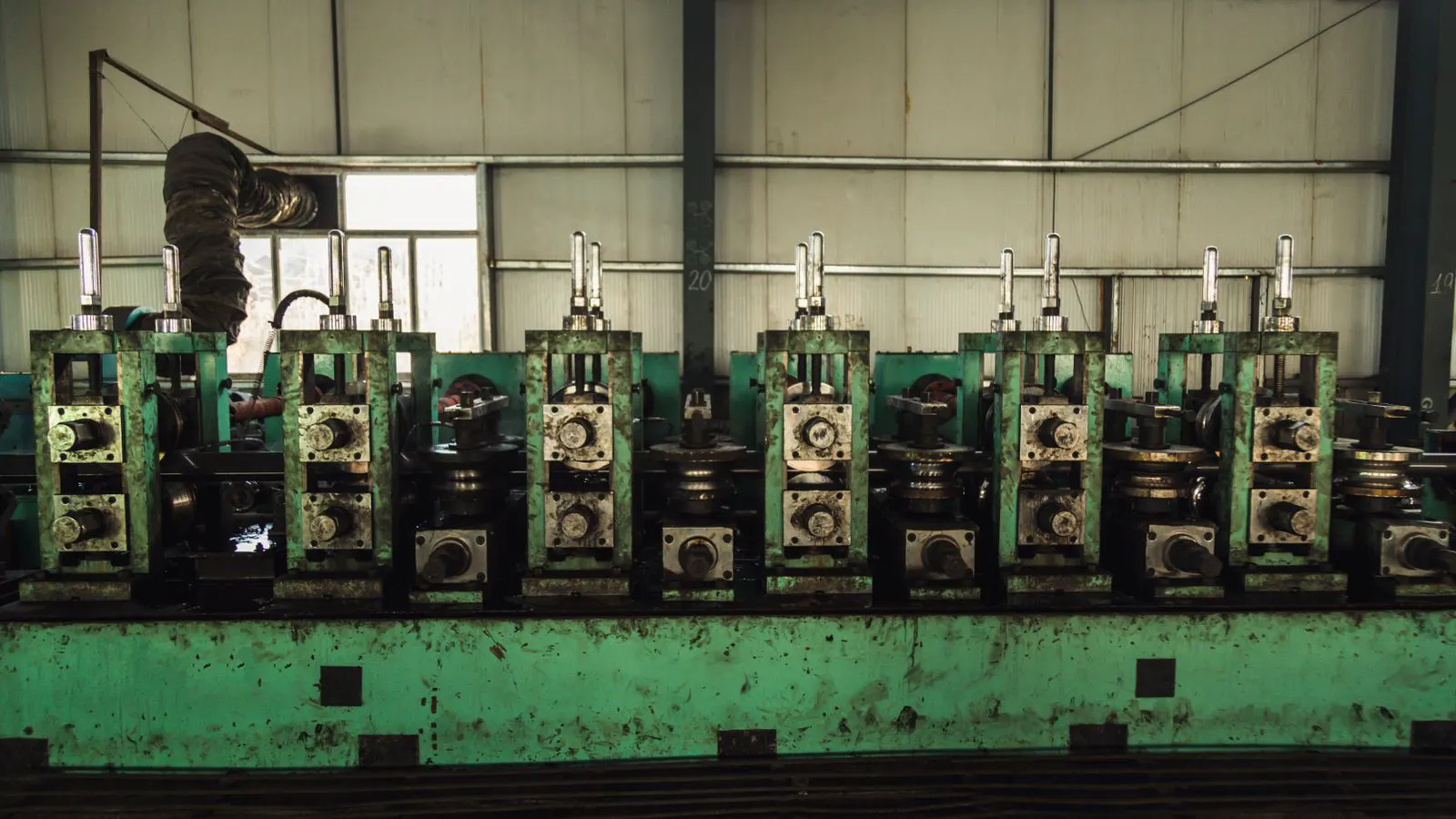
Titanium flange pricing depends on material grade, forging method, tooling, and post-forging work. Lead time is driven by heat availability, tooling lead, and inspection. A structured RFQ and clear schedule requirements help buyers compare quotes and budget accurately for titanium forging projects.
- Titanium flange cost is driven by material grade, forging method, tooling, post-forging work, and inspection.
- Lead time is often controlled by heat availability, tooling lead, and inspection rather than the forging itself.
- A clear RFQ with material, dimensions, tolerances, and delivery dates makes quote comparison fair.
- Buyers should compare total landed cost, not just forging price, to avoid surprises.
- Standardizing heat traceability and inspection requirements improves both quality and schedule reliability.
What Sets the Cost of Forged Titanium Flanges
A titanium forged flange is not priced as a raw material item. It is a combination of metal, forming, tooling, finishing, and inspection. The buyer needs to understand each of those layers before comparing quotes.
The first cost layer is the titanium heat. Different grades have different base prices. 6Al-4V is common for structural and pressure parts because of its strength and weldability. 999 grade is used where corrosion resistance and ductility are priorities. The heat itself can be expensive, and the heat number matters because each bar or billet has a certificate and a traceable history.
The second layer is the forging process. Open-die forging, closed-die forging, and swaging each have different tooling and labor costs. A flange with a simple raised face may take less time than one with an internal bore, raised face, and multiple machined features. The buyer should ask how much of the work is forging and how much is machining.
The third layer is tooling. If the part is new or low volume, the cost of making or reworking the die set can be significant. For a single flange or a small lot, tooling may be charged as a setup fee. For a larger run, the tooling cost is spread over the units. The buyer must know whether the quote includes tooling or only the forged part.
The fourth layer is post-forging work. Flanges usually need machining, deburring, surface finish, and sometimes heat treatment or shot peening. These steps add cost and time. A quote that says “forged titanium flange” without listing machining, surface finish, and inspection is incomplete.
How Lead Time Is Built for Titanium Components
Lead time is the schedule from approved drawing to shipped part. It is often longer than buyers expect because titanium heat availability and tooling lead can dominate.
The first schedule item is the heat. If the buyer specifies a particular heat or a particular supplier, the lead time depends on that heat being available. If the buyer allows any certified heat, the schedule is usually shorter. The buyer should state the material standard and whether a specific heat number is required.
The second schedule item is tooling. New tooling can take weeks or months, depending on the complexity of the die set and the number of tooling shops involved. If the part is a repeat, the tooling may already exist, and the schedule starts with the heat and setup. The buyer should ask whether the quote assumes existing tooling or new tooling.
The third schedule item is forging and machining. The actual forging time is usually not the longest part of the schedule. The long parts are often the machining, inspection, and documentation. A flange may be forged in a short cycle, but the machining and final inspection can take longer because of the precision needed for a pressure part.
The fourth schedule item is inspection. Titanium pressure parts often require more documentation than simple industrial parts. The buyer should define the inspection level in the RFQ. A basic visual check is different from dimensional inspection, pressure test, or material certification. Each adds time and cost.
How to Write a Clear RFQ for Titanium Forged Flanges
A clear RFQ reduces quote variance and speeds up the schedule. The buyer should put the key requirements in the RFQ body, not in a follow-up email.
The RFQ should state the material. This includes the grade, the standard, and whether a specific heat number is required. The buyer should also state the surface finish, if any, and the required inspection. A flange that needs a particular finish or a particular test will cost more and take longer than one that does not.
The RFQ should state the quantity. A quote for ten parts and a quote for one thousand parts are very different. The buyer should state the quantity and whether the price is for the first lot or for future lots. The tooling cost may be different for each quantity.
The RFQ should state the delivery date. The buyer should give a target date and a reason if the date is critical. A date that is not critical can be met with a standard schedule. A date that is critical may require expedited heat, tooling, or production, and that changes the price.
The RFQ should state the drawing package. The buyer should provide the 3D model, 2D drawing, and any relevant notes. The buyer should also state the tolerance class and the inspection method. A drawing with a note that says “per drawing” is not enough. The buyer should define what is inspected and what is not.
How to Compare Quotes Fairly
Quotes are often not comparable because they include different items. One quote may include tooling and inspection, while another quote may not. The buyer needs to normalize the quotes before comparing them.
The buyer should ask each supplier to break the quote into material, tooling, forging, machining, inspection, and overhead. This makes the comparison clearer. The buyer can see which supplier is cheaper on material and which is cheaper on tooling. The buyer can also see where the supplier is charging for post-forging work.
The buyer should check whether the quote includes the required inspection. If the RFQ asks for dimensional inspection and pressure test, the quote should include both. If the quote does not include them, the buyer should ask how much they cost. A cheap quote that excludes inspection is not a real quote.
The buyer should check the lead time. The buyer should ask for a schedule by stage. The schedule should show the heat, tooling, forging, machining, inspection, and shipping. This helps the buyer see where the delay is likely to come from. A supplier that can give a stage schedule is usually more reliable than one that gives only a single date.
The buyer should check the assumptions. Each quote has assumptions about tooling, material, and inspection. The buyer should ask the supplier to state those assumptions in writing. This protects both parties and makes the comparison fair.
Cost Drivers and Typical Trade-Offs
The table below lists the main cost drivers and the trade-offs a buyer faces when estimating a titanium flange.
| Cost Driver | What It Affects | Typical Trade-Off |
|---|---|---|
| Material grade | Base cost and availability | Higher strength grade costs more but may reduce part size |
| Forging method | Tooling and labor cost | Closed-die is faster and tighter but more expensive for low volume |
| Tooling | Setup and first article cost | New tooling is expensive but reusable for future lots |
| Post-forging work | Final cost and finish | More machining and inspection cost more but reduce risk |
| Inspection level | Documentation and schedule | More inspection adds time but improves traceability |
| Quantity | Tooling spread and price | Higher quantity spreads tooling cost and lowers unit price |
The buyer should use this table as a checklist when reviewing quotes. If the quote does not address one of these items, the buyer should ask before accepting the price.
How to Manage Schedule Risk
Schedule risk is the difference between the planned date and the actual date. The buyer can reduce schedule risk by managing the inputs, not just the output.
The buyer should order the heat early. If the heat is not available, the schedule slips. The buyer should ask the supplier to confirm heat availability before the tooling is made. This avoids wasting tooling time on a heat that is not ready.
The buyer should order tooling early if the part is new. If the tooling is not ready, the forging cannot start. The buyer should ask the supplier to give a tooling schedule and a tooling inspection date. This gives the buyer a checkpoint before the forging starts.
The buyer should define the inspection plan. If the inspection is not defined, the supplier may delay the inspection until the buyer responds. The buyer should provide the inspection plan in the RFQ and ask the supplier to confirm it. This avoids a back-and-forth that delays the schedule.
The buyer should ask for status updates. A supplier that gives regular updates is easier to manage than one that goes silent. The buyer should ask for a status at each stage: heat, tooling, forging, machining, inspection, and shipping. This gives the buyer time to act if a problem appears.
How to Use Cost Estimating Forging in Budget Planning
Budget planning is not just about the unit price. It is about the total cost of the part from approved drawing to shipped part. The buyer should build a budget that includes material, tooling, forging, machining, inspection, and logistics.
The buyer should include a contingency for changes. A flange drawing can change late in the process. If the drawing changes, the tooling may need rework and the schedule may slip. The buyer should include a contingency for drawing changes and material changes.
The buyer should include a contingency for inspection. If the inspection finds a defect, the part may need rework or replacement. The buyer should include a contingency for rework and replacement. This is common for pressure parts because the inspection standard is strict.
The buyer should include a contingency for logistics. Titanium parts are heavy and may require special handling. The buyer should include a contingency for shipping, customs, and storage. This is especially important if the part is being shipped to a different country.
The buyer should review the budget at each stage. The buyer should review the budget when the drawing is approved, when the heat is confirmed, when the tooling is ready, and when the part is ready for shipment. This gives the buyer time to adjust the budget if something changes.
Final Considerations for Buyers
The buyer should treat cost estimating forging as a structured process, not a single number. The buyer should define the material, the process, the tooling, the post-forging work, and the inspection before asking for quotes. This makes the quotes comparable and the budget more realistic.
The buyer should also treat lead time as a schedule, not a date. The buyer should ask for a schedule by stage and a status update at each stage. This gives the buyer control and reduces the risk of a surprise delay.
The buyer should keep the RFQ and the quote in writing. The buyer should state the assumptions and the inspection plan in the RFQ and ask the supplier to confirm them in the quote. This protects both parties and makes the process smoother.
The buyer should use the information in this guide to build a clear RFQ and a fair comparison. The buyer should not rely on a single quote or a single date. The buyer should build a plan that covers material, tooling, forging, machining, inspection, and logistics. This is the most reliable way to estimate cost and lead time for a titanium forged flange.
Frequently asked questions
What is the main cost driver for a titanium forged flange?
The main cost drivers are material grade, forging method, tooling, and post-forging work. The material grade sets the base cost, and the tooling and machining can add significant cost for low volume parts.
How long does it take to make a titanium flange?
The schedule depends on the heat, tooling, and inspection. The forging itself is usually not the longest step, but the heat availability and tooling lead can dominate the schedule.
Can I get a titanium flange without a specific heat?
Yes, if the buyer allows any certified heat, the schedule is usually shorter. If the buyer requires a specific heat, the schedule depends on that heat being available.
How should I compare quotes from different suppliers?
Break each quote into material, tooling, forging, machining, inspection, and overhead. Ask each supplier to state the assumptions and the inspection level. This makes the quotes comparable.
What should I include in the RFQ?
The RFQ should include the material grade, the standard, the quantity, the delivery date, the drawing package, and the inspection level. The buyer should also state whether a specific heat number is required.


