Why Forging Lead Times Are Longer Than Expected for New Parts
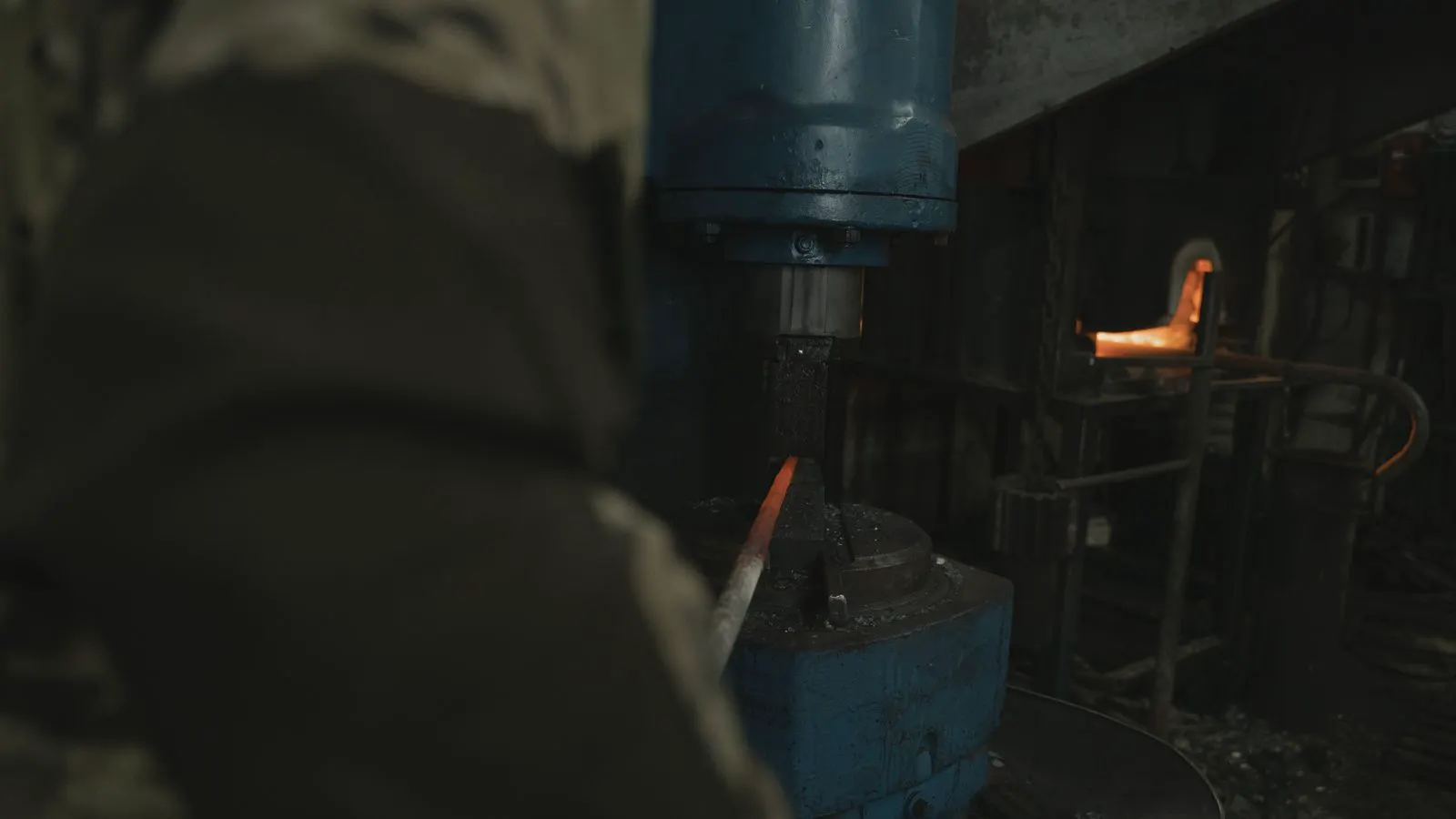
New part lead time extends due to sample approval, material procurement, tooling, and heat treatment. Delayed delivery often stems from unclear specifications or late engineering changes. Fixing these steps reduces surprises and stabilizes your supply chain.
- New part lead time is longer than repeat orders because it includes engineering approval, sample forging, and tooling setup.
- Material availability and heat treatment capacity are common bottlenecks that extend the schedule.
- Clear drawings, approved samples, and agreed-upon acceptance criteria reduce disputes and rework.
- Communication gaps during the trial phase are the most frequent cause of delayed delivery.
- Building a supplier relationship early helps stabilize future production runs.
Why New Parts Take Longer Than Repeat Orders
A standard production run of a forged bracket or flange moves through a predictable path. The supplier has the tooling, the material specs, and the process parameters locked in. The calendar is tight.
A new part breaks that rhythm. Every element is unproven. The supplier must interpret your drawings, select the right preform shape, and often design new forging tools. They must also forge trial samples, send them to you for approval, and then adjust the process before releasing the first commercial batch.
The delay is rarely a single failure. It is a chain of small decisions, approvals, and logistical steps that add up. Understanding where the time goes helps you manage the schedule and keep the supply chain stable.
What Causes the Forging Lead Time to Stretch
The most common reason new parts take longer is the sample approval loop. You send drawings. The supplier forges a first article. You inspect it. You reject it. They revise. They forge again. You approve. That cycle can take weeks.
Material procurement is another major factor. If you specify a particular alloy or heat treatment, the supplier may need to source bar stock or billets from a third party. Lead times for specialty materials fluctuate. If the material is unavailable, the whole schedule shifts.
Tooling adds time. For high-volume parts, open die or closed die tools are often required. Designing and machining a new die can take weeks. If the tool needs adjusting after the first trial, the supplier must stop production, modify the die, and restart.
Heat treatment is a hidden bottleneck. Many forged parts require stress relief, normalization, or quenching and tempering. If the supplier outsources this step, or if their furnace is full, the part waits. You cannot forge the next lot until the heat treat is complete and inspected.
Troubleshooting Common Lead Time Symptoms
The table below maps common symptoms to their likely causes and practical fixes. This helps you diagnose where the delay is happening and what to do next.
| Symptom | Likely cause | What to do |
|---|---|---|
| Sample approval takes three or more rounds | Drawings have loose tolerances or unclear surface finish requirements | Send GD&T notes and surface finish requirements with the first RFQ. Agree on acceptance criteria before forging begins. |
| Material arrives late | Supplier ordered standard stock instead of your specified grade | Confirm material grade and mill requirements early. Ask for a material traceability plan. |
| Tooling is not ready when samples are due | New die design started late or requires multiple revisions | Approve the tool design and preform shape in writing before cutting. |
| Heat treat delays the first commercial batch | Furnace schedule is full or the part requires a specific quenching oil | Ask for a heat treatment capacity check. Provide your heat treat spec early. |
| Delayed delivery after production starts | Final inspection finds a defect that was not in the sample | Review the inspection protocol. Agree on what constitutes a critical defect before the first lot. |
| Supplier cannot meet the target date | No backup capacity or subcontractor is available | Build buffer time into your internal schedule. Confirm the supplier’s capacity before committing to a hard date. |
How to Shorten the New Part Lead Time
You cannot remove the physics of forging, but you can remove the friction. The first step is to send a complete package. This means drawings with full dimensions, tolerances, surface finishes, and material specs. It also means stating your quantity, your target date, and your acceptance criteria.
The second step is to agree on the sample plan. How many samples will the supplier forge? What will you check? What happens if a sample fails? If you do not define this, the supplier will guess, and you will end up in a long approval loop.
The third step is to involve your quality team early. Do not wait until the first sample arrives to decide what to measure. Send your inspection plan with the RFQ. This prevents rework and speeds up the approval.
The fourth step is to build buffer time. A new part is never as predictable as a repeat order. Add time for material delays, tooling adjustments, and heat treat scheduling. If your internal project needs a hard date, work backward from that date and confirm the supplier can meet it.
How to Prevent Delayed Delivery in Future Runs
Once the first batch is approved, the lead time should drop. The tooling is done. The material spec is proven. The heat treat is stable. The process is locked in.
The key is to keep the supplier informed. If your design changes, if your quantity changes, or if your delivery window shifts, tell them immediately. Late changes are the fastest way to reset the clock.
Also, review the supplier’s capacity regularly. If you are buying large volumes, you need to know if they have the furnace space and the material pipeline to meet your schedule. A simple quarterly check on capacity and material supply keeps the lead time stable.
Finally, document what worked. Keep a record of the sample approval process, the heat treat spec, and the inspection criteria. When the next new part comes in, you have a template. You do not have to start from zero.
What to Ask Your Forging Supplier
When you request a quote for a new part, ask these questions to uncover the real lead time.
- What is the total lead time from RFQ to first delivery?
- How many sample forgings are included in the price?
- What is the process for sample approval and rejection?
- Do you have the material on hand, or will you need to order it?
- What is the heat treatment capacity and schedule?
- What happens if the tooling needs adjustment after the first trial?
These questions force the supplier to break down the schedule. You will see where the time is going and where the risks are. You can then agree on milestones and hold points. This turns a vague promise into a manageable plan.
When to Expect the Longest Lead Times
Some parts are inherently slower than others. Complex shapes, thin walls, and high-strength alloys take longer to forge and heat treat. Parts that require multiple forging steps, such as preforming and finishing, add time. Parts that need extensive machining after forging also extend the schedule.
If your part has tight tolerances, you may need more inspection and adjustment. This slows the process. If your part uses a specialty material, sourcing becomes a bottleneck. If your part requires a specific heat treat, furnace capacity becomes the limit.
Knowing these factors helps you set realistic expectations. You can plan your production around the actual lead time, not the ideal one. This prevents the surprise when the part does not arrive on the date you expected.
How to Manage the Relationship
A good supplier relationship is built on clear communication. Do not wait until the deadline is missed to have a conversation. Check in on the status of the material, the tooling, and the heat treat. If there is a problem, find out early.
Also, be flexible when necessary. If a small change in your spec can save a week, consider it. If a different material grade can be sourced faster, evaluate the trade-off. The goal is to keep the part moving, not to be rigid.
A long forging lead time is normal for new parts. It is not a sign of a bad supplier. It is the cost of bringing a new product to market. The key is to manage the process, not to blame the delay.
Frequently asked questions
How long does a new forged part typically take?
A new part usually takes longer than a repeat order. The exact time depends on the complexity of the part, the material, and the heat treat requirements. Expect several weeks to several months.
Why is sample approval a bottleneck?
Sample approval is a bottleneck because it requires physical inspection and often multiple rounds of revision. Each round takes time to forge, ship, and review.
Can I speed up the forging lead time?
Yes, you can speed it up by providing complete drawings, clear acceptance criteria, and approved sample plans early. You can also build buffer time into your schedule.
What is the most common cause of delayed delivery?
The most common cause is unclear specifications or late engineering changes. This leads to rework, re-forging, and re-inspection.
How do I know if my supplier is meeting the lead time?
Check in on milestones such as material receipt, tooling completion, and heat treat scheduling. If the supplier can provide a clear status update, the lead time is likely on track.


