Open Die vs Closed Die Forging for High Volume Production
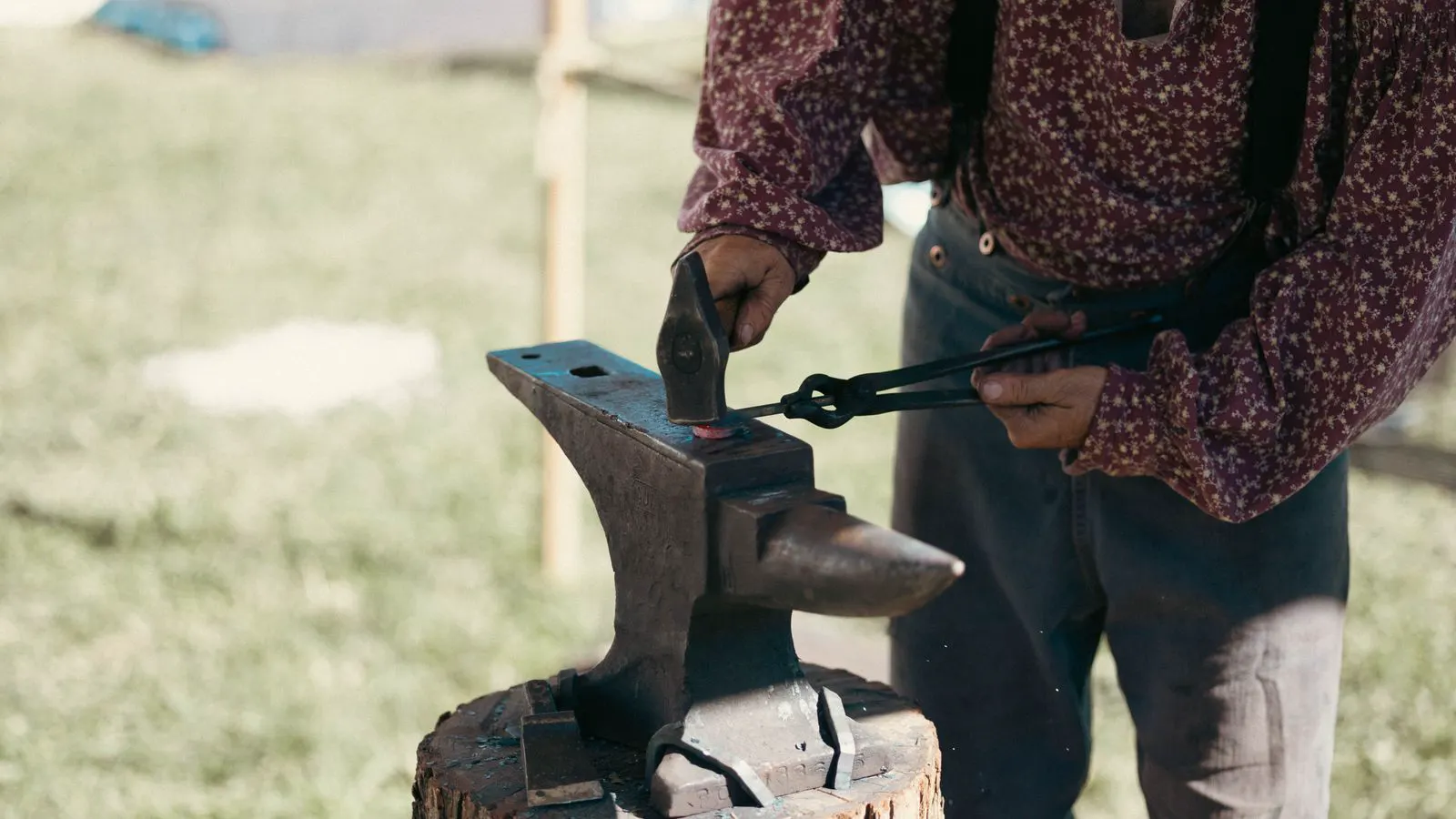
For high-volume production, closed die forging generally offers superior consistency and speed, while open die forging suits simpler shapes or lower precision needs. Choose based on part complexity, tolerance requirements, and supplier capacity.
- Closed die forging is best for high-volume, complex parts requiring tight tolerances.
- Open die forging works well for simpler shapes where precision is less critical.
- Supplier capacity and die maintenance directly impact production consistency and lead times.
- Total cost of ownership includes die wear, scrap rates, and rework, not just unit price.
- Always verify a supplier’s quality audit practices before committing to a large run.
How the Two Forging Processes Differ
Open die and closed die forging are the two most common methods for shaping metal under pressure. The key difference lies in the die design. Open dies do not fully enclose the workpiece, while closed dies surround it on multiple sides.
In open die forging, the metal is compressed between a single die and the anvil or platen. The shape is formed by the metal flowing around the die. In closed die forging, the workpiece is placed between a top and bottom die that form a complete cavity. The metal is squeezed into the cavity, which controls the final dimensions more precisely.
For high-volume production, this distinction matters. A part that requires consistent dimensions across thousands of units will often perform better in a closed die setup. A part with simple geometry or looser tolerances may be more economical in an open die system.
Which Process Fits High Volume Production
High volume production means producing thousands of identical parts over an extended period. The main goals are speed, consistency, and low cost per unit.
Closed die forging typically excels in these areas. Because the die fully shapes the part, each hit is more predictable. The cycle time per piece is often shorter once the die is set up correctly. Scrap rates tend to be lower because the metal is guided into the intended shape, reducing the need for extensive trimming or rework.
Open die forging can also support high volume, but it is usually better suited to parts with simple shapes, such as blanks for further machining or components with generous tolerances. If the part geometry is complex, closed die forging becomes the more practical choice.
Comparison of Open Die vs Closed Die Forging
| Option | Best for | Limitations |
|---|---|---|
| Open die forging | Simple shapes, rough blanks, large sections, lower tolerance needs | Less dimensional control, higher scrap potential, slower for complex parts |
| Closed die forging | Complex shapes, tight tolerances, high volume, consistent geometry | Higher die cost, longer setup, more sensitive to die wear |
| Open die with trim | Parts needing initial shaping before secondary machining | Adds machining time and cost, less efficient than full closed die |
| Closed die with multi-station | Complex parts requiring multiple forming steps | Higher capital cost, more complex maintenance, longer lead times for die changes |
The table highlights that neither process is universally better. The right choice depends on the part, the tolerance, and the production volume.
When to Choose Open Die Forging
Open die forging is a strong option in several situations.
- The part has a simple shape, such as a bar, a blank, or a rough profile.
- The tolerance requirements are loose, and the part will be finished by machining.
- The material section is thick, and the die would be too expensive or impractical for closed die forming.
- The production volume is moderate, and the lower die cost outweighs the loss in precision.
In these cases, open die forging can reduce tooling costs and speed up initial production. It is also easier to make adjustments to the die without full cavity redesign. However, if the final part must meet tight dimensional standards, the extra machining may offset the savings.
When to Choose Closed Die Forging
Closed die forging is the preferred method for many high-volume applications.
- The part has complex geometry or multiple features.
- Tight tolerances are required to reduce or eliminate secondary machining.
- The production run is large enough to justify the higher die cost.
- Consistency across the entire batch is critical for downstream assembly.
Closed die forging allows the metal to be shaped in fewer operations. This reduces cycle time and labor. It also improves material efficiency because the die guides the metal into the final form, minimizing excess that must be cut away.
For high-volume production, closed die forging often leads to lower total cost per unit, even though the initial investment in the die is higher.
Supplier Capacity and Die Maintenance
When evaluating a supplier, supplier capacity is a major factor. A supplier with a high-volume open die operation may be able to run long shifts with minimal downtime. However, if the part requires tight tolerances, that capacity may not be enough.
Die maintenance is another key consideration. Closed dies experience higher stresses and wear faster than open dies. A supplier with a strong maintenance schedule and in-house die repair capability can keep the die in good condition, which directly impacts part quality and cycle time.
Ask the supplier about:
- How often the die is inspected and refaced.
- Whether they have backup dies for critical runs.
- How they track die wear and adjust the forming process.
- What their scrap rate history looks like for similar parts.
A supplier that invests in die maintenance is more likely to deliver consistent parts over the life of the contract.
Quality and Cost Considerations
The cost of forging is not just the price per piece. It includes the cost of the die, the cost of maintenance, the cost of scrap, and the cost of any secondary processing.
Open die forging usually has a lower die cost, but it may result in higher scrap and more machining. Closed die forging has a higher die cost, but it often reduces scrap and machining, which can lower the overall cost per unit for high-volume runs.
When comparing quotes, ask the supplier to break down the cost into:
- Die amortization.
- Material cost.
- Machining or trimming.
- Inspection and testing.
- Scrap and rework.
This breakdown helps you see the true cost and compare suppliers fairly.
How to Decide for Your Part
To make the right decision, start with the part drawing. Identify the critical dimensions and tolerances. If the part requires tight fits or precise geometry, closed die forging is usually the better choice. If the part is a rough blank for further machining, open die forging may be sufficient.
Next, consider the production volume. For very large runs, the higher upfront cost of a closed die is easier to justify. For smaller runs or prototypes, open die forging or a hybrid approach may be more practical.
Finally, evaluate the supplier. A strong supplier will guide you through the trade-offs and help you select the process that balances cost, quality, and lead time. They should be able to show examples of similar parts they have produced and explain how they managed die wear and quality over the run.
In high-volume production, the process you choose will define your cost, your quality, and your lead time. Open die and closed die forging both have their place. The right choice depends on the part, the tolerance, and the supplier’s capability.
Frequently asked questions
Is open die forging cheaper than closed die forging?
Open die forging usually has lower die costs, but it may require more machining and can have higher scrap rates. For high-volume runs, closed die forging often has a lower total cost per unit.
Can open die forging meet tight tolerances?
Open die forging provides less dimensional control, so it is better for loose tolerances or rough blanks. Tight tolerances usually require closed die forging or additional machining.
What is the main advantage of closed die forging for high volume production?
Closed die forging offers better consistency, shorter cycle times, and lower scrap rates, which are critical for producing large batches of identical parts.
How does supplier capacity affect the choice between open and closed die forging?
Supplier capacity determines whether a process can meet your volume and lead time. A supplier with a strong closed die capability and good die maintenance is better suited for tight-tolerance high-volume parts.
Do I need a new die for every production run?
Not always. A die can be reused for multiple runs if the part design and material remain the same. However, die wear will require maintenance or replacement over time.


